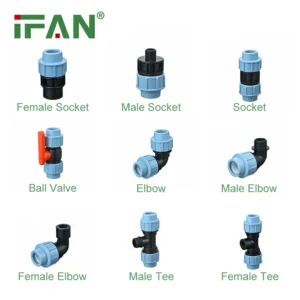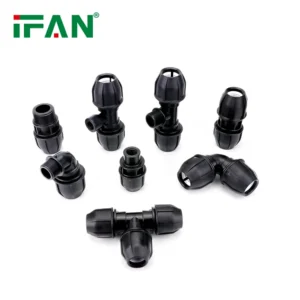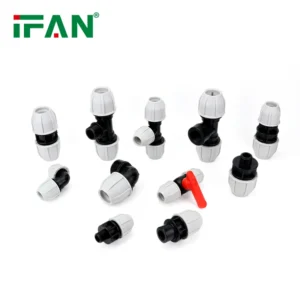
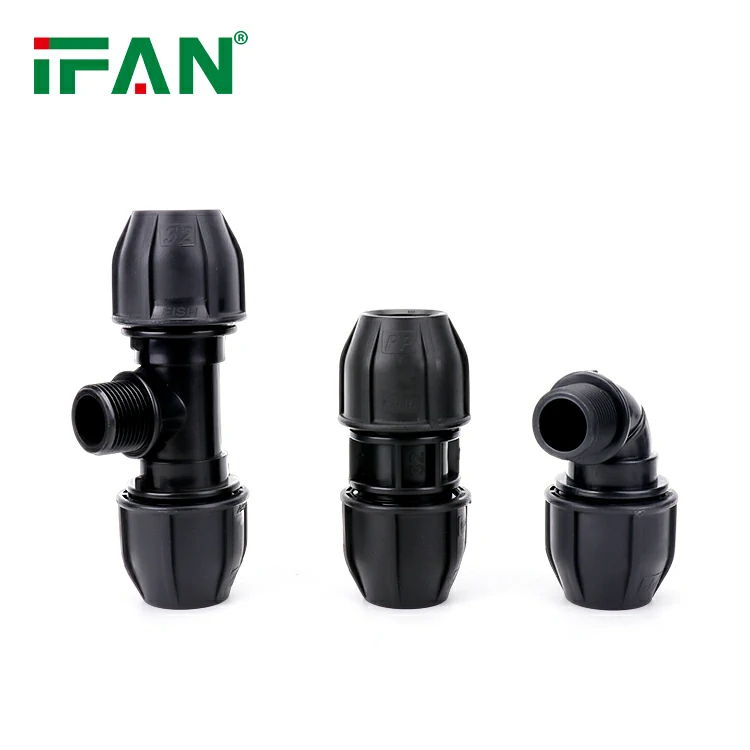
Introduction: Compression vs. Soldering Methods
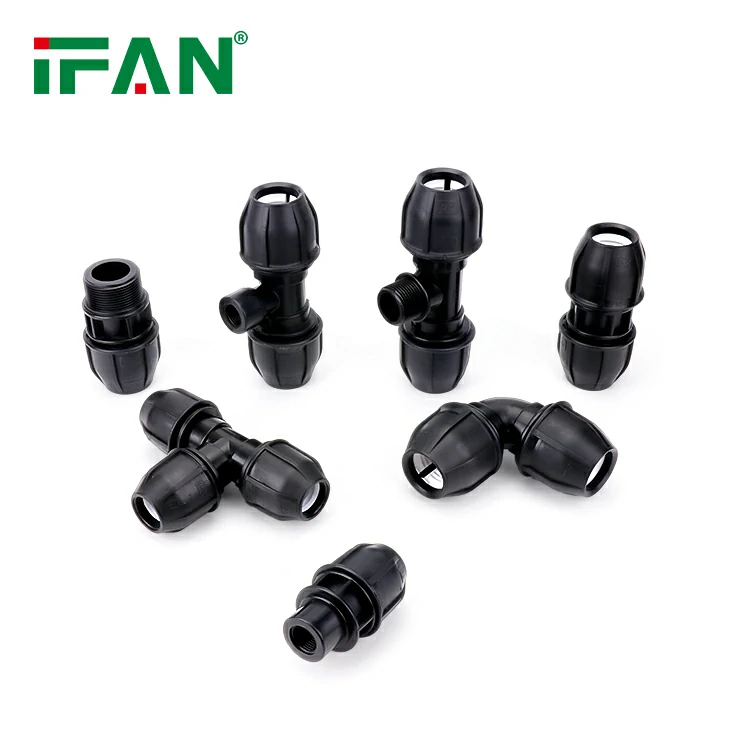
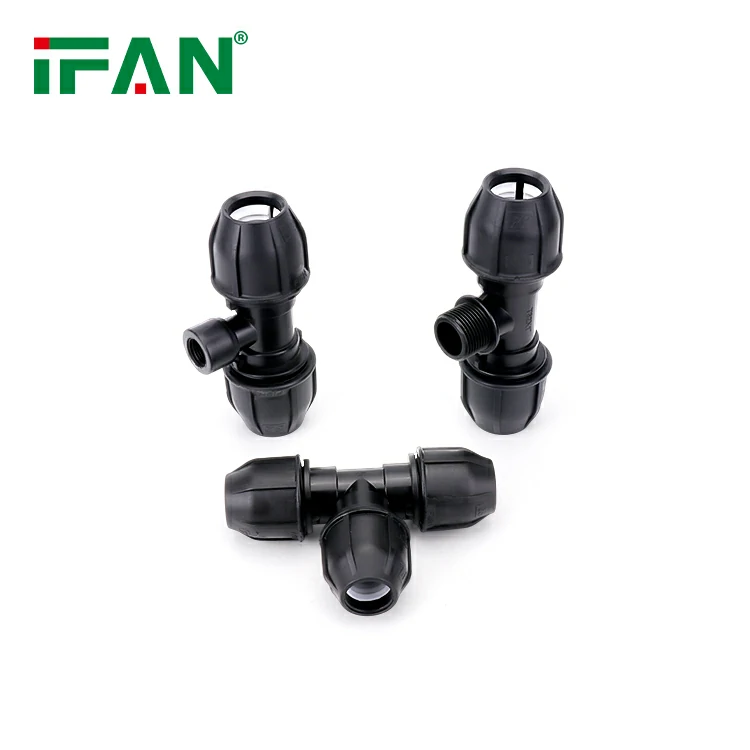
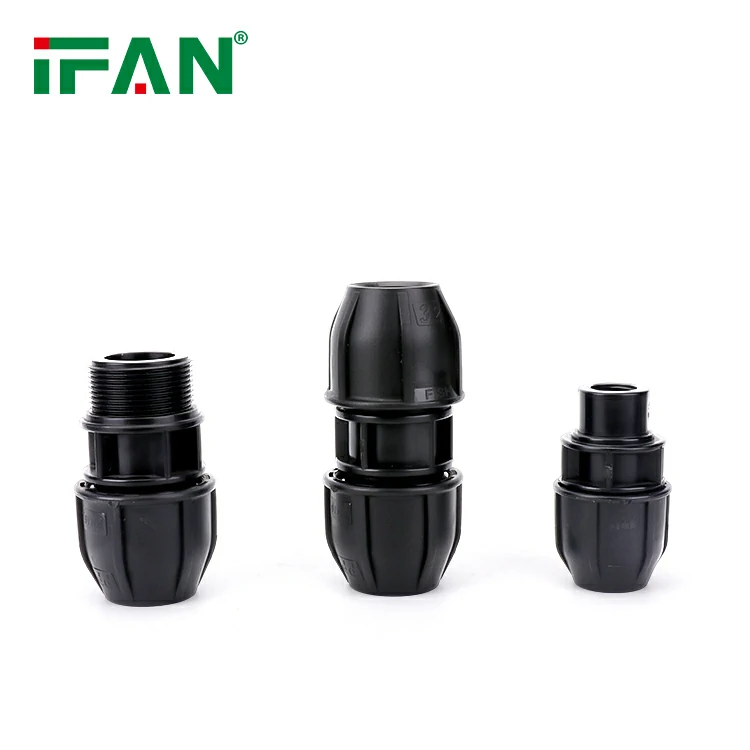
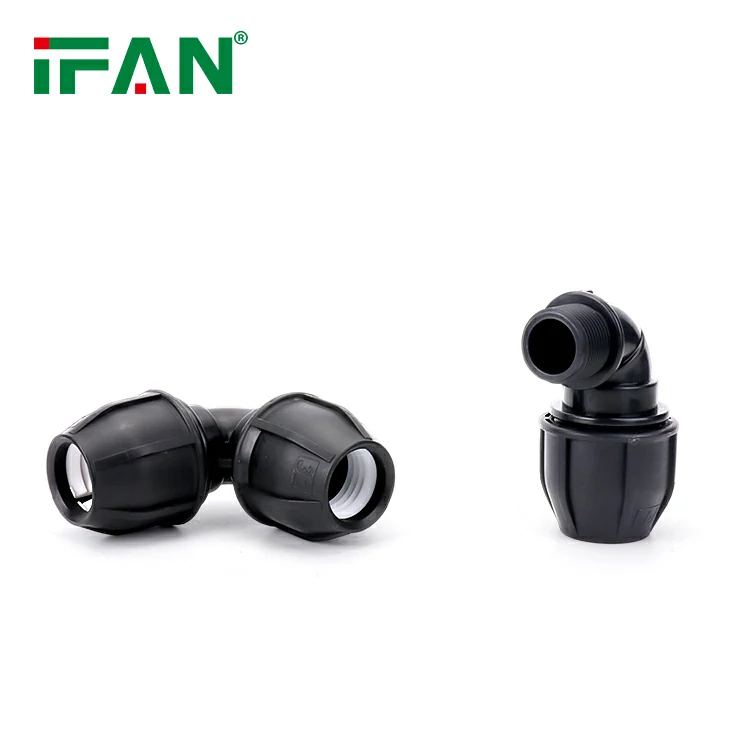
PP compression fittings and soldering are common pipe joining methods in plumbing.
Compression fittings use mechanical pressure to create a sealed joint.
Soldering involves melting a filler metal to bond copper or brass pipes.
Each method has specific strengths and ideal applications.
Understanding how PP compression fittings compare to solder helps choose the best solution.
Installation Process and Tools Required
PP compression fittings are easier to install than soldered joints.
They don’t need torches, flux, or solder wire—just a wrench and clean pipe ends.
The pipe is inserted into the fitting, then tightened to form a seal.
Soldering requires skill, heat sources, and safety precautions during installation.
For DIY or quick repairs, PP compression fitting offers faster, safer setup.
Material Compatibility and Application Scope
Soldering is mostly used with copper or brass pipes.
It’s ideal for permanent water supply systems and heating applications.
PP compression fittings are used with plastic pipes like PE, PPR, and sometimes PVC.
They are common in irrigation, drinking water, and low-pressure systems.
PP compression fittings are not typically used for metal pipe connections.
Strength and Pressure Resistance
Soldered joints provide high mechanical strength and excellent pressure handling.
They are suitable for high-temperature and high-pressure systems, like hydronic heating.
PP compression fitting works well in low- to medium-pressure systems (6–16 bar).
They are less suited to extreme pressure or thermal cycling.
For reliability under stress, soldered joints may outperform compression fittings.
Leak Resistance and Long-Term Reliability
A properly soldered joint creates a seamless, permanent bond with no moving parts.
It resists leaks over decades with minimal maintenance.
PP compression fittings rely on rubber seals and mechanical pressure.
These components may degrade over time or loosen if installed improperly.
However, quality PP compression fitting performs reliably with correct use and inspection.
Repair, Reusability, and Flexibility
One major benefit of PP compression fitting is reusability.
They can be removed and reinstalled without damaging the pipe.
This is ideal for temporary systems, seasonal setups, or frequent modifications.
Soldered joints, once installed, are not reusable and must be cut apart for repairs.
In dynamic or modular systems, PP compression fittings offer greater flexibility.
Environmental and Safety Considerations
Soldering releases fumes and involves handling hot tools and metals.
Proper ventilation, protective gear, and fire precautions are necessary.
PP compression fittings are safer to install, especially in confined spaces or near flammables.
They also avoid lead-based solders and related contamination risks.
In sensitive environments, PP compression fitting may be the safer choice.
Conclusion: Which is Better?
Both methods have their place in modern plumbing and fluid systems.
Soldering offers unmatched strength and durability for permanent metal piping.
PP compression fitting provides ease, safety, and versatility for plastic systems.
Choosing between them depends on material, pressure needs, and project scale.
Used correctly, PP compression fitting can be just as effective—for the right job.