
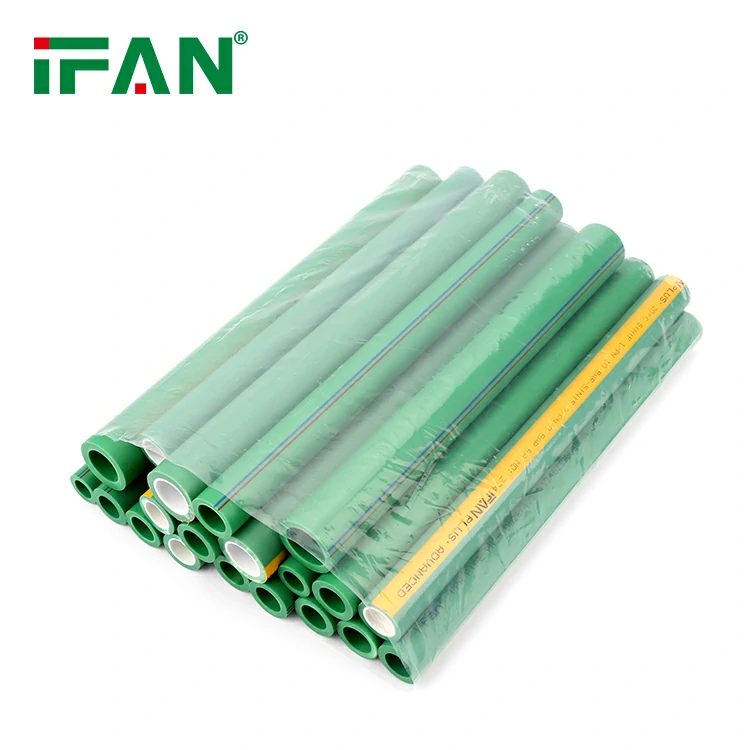
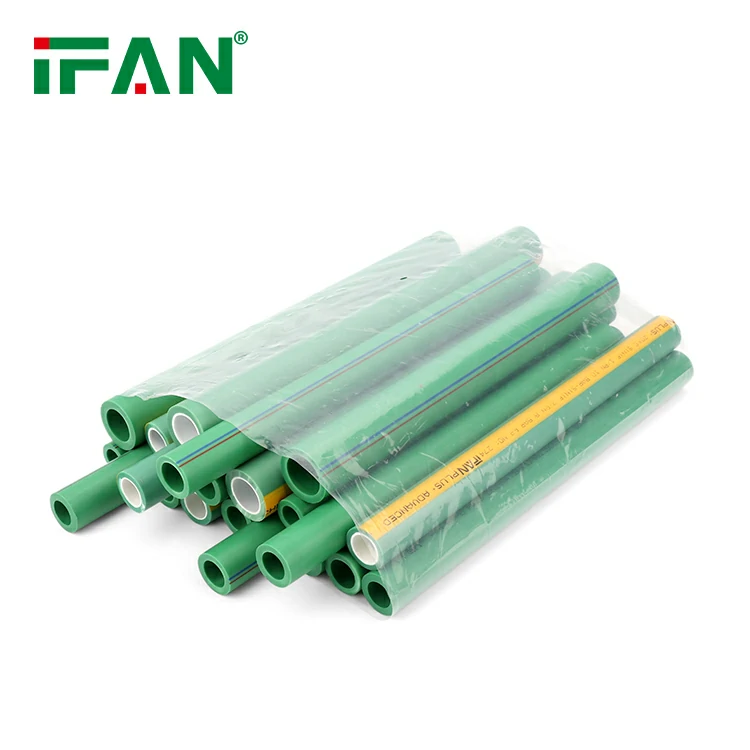
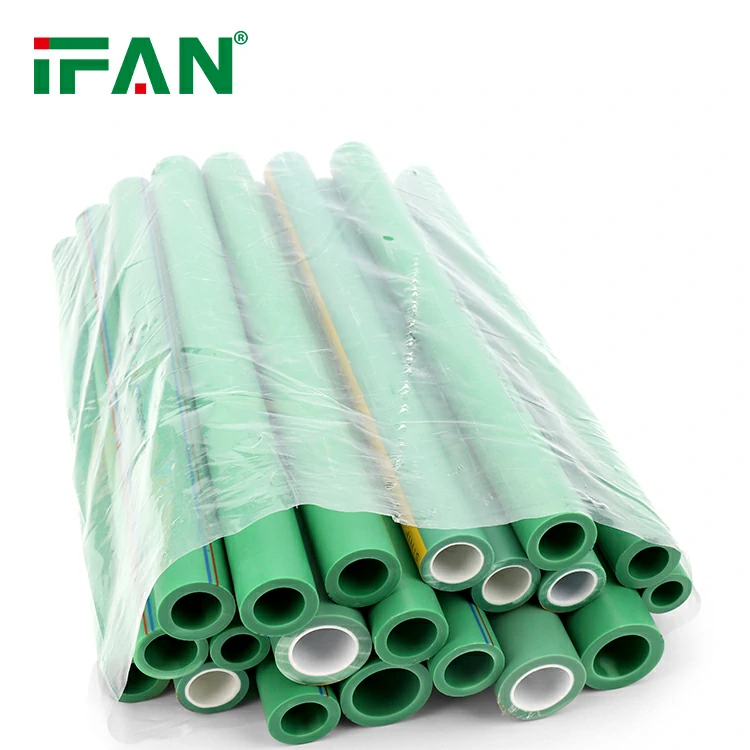
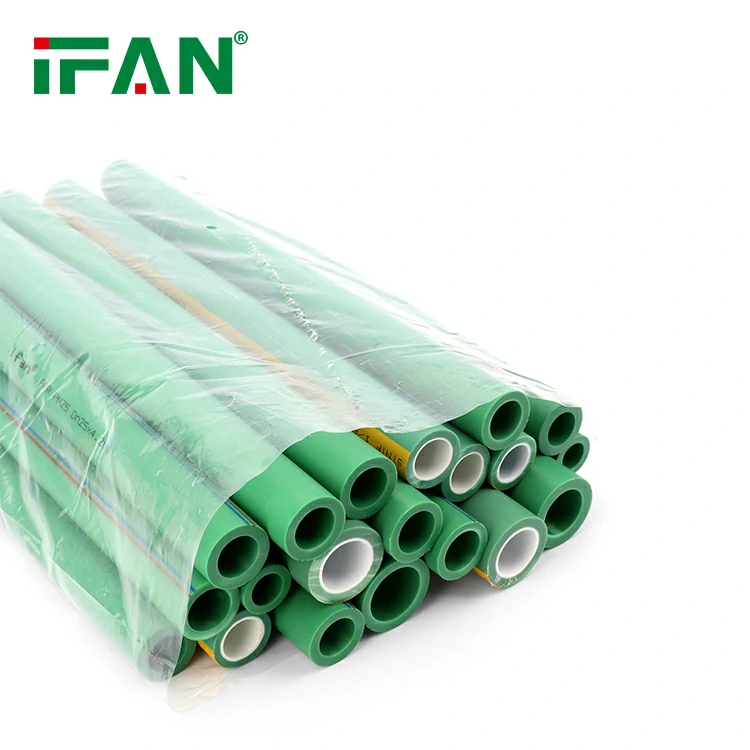
Description
Introduction: A Common Pipe Selection Dilemma
Choosing between HDPE and PPR pipes is a frequent challenge in plumbing and infrastructure projects.
Both materials offer durability and resistance to corrosion, but they have distinct strengths and applications.
HDPE stands for High-Density Polyethylene, while PPR means Polypropylene Random Copolymer.
Each is widely used in water, gas, and chemical systems globally.
Project demands often determine which material is more suitable.
This article compares HDPE and PPR pipes based on strength, installation, safety, and cost.
The goal is to help engineers, builders, and homeowners make informed decisions.
Both pipe types meet various international standards for pressure and temperature performance.
Material Properties and Structural Strength
HDPE pipe is more flexible and impact-resistant than rigid plastic pipes.
It handles ground shifts and vibrations well, making it ideal for underground use.
PPR pipe is rigid, with excellent pressure strength and thermal insulation.
It performs reliably in high-pressure domestic water systems and heating networks.
HDPE pipes resist cracking during installation or when exposed to shifting loads.
Meanwhile, PPR pipe offers long-term dimensional stability at elevated temperatures.
If flexibility and outdoor use are key, HDPE may be better.
For hot water delivery and indoor plumbing, PPR pipe may outperform in thermal stability.
Temperature and Pressure Tolerance
HDPE is suitable for temperatures between –40°C to 60°C and pressure ratings up to PN16.
It is widely used in cold water, gas, and industrial applications.
PPR pipe, on the other hand, can handle up to 95°C, making it ideal for hot water.
It also performs well in both low and high-pressure systems.
For solar heating or hot-water recirculation, PPR pipe has a proven performance record.
However, HDPE’s strength in sub-zero temperatures makes it superior for exterior or buried networks.
Each pipe has clear thermal and pressure advantages in its own domain.
The application environment is the main deciding factor.
Installation Methods and Practicality
HDPE pipes are typically joined using butt fusion or electrofusion welding.
These methods require special equipment and trained operators to ensure a reliable connection.
PPR pipe is connected using heat fusion that softens and bonds pipe ends permanently.
It requires basic tools and is simpler for most plumbing professionals to install.
PPR’s lightweight design also reduces labor during indoor installations.
In contrast, HDPE’s flexibility allows longer pipe runs with fewer fittings in outdoor environments.
If rapid installation is needed indoors, PPR pipe offers clear benefits.
For large-scale buried infrastructure, HDPE remains a strong option.
Chemical Resistance and Lifespan
Both pipes resist many chemicals, including salts, acids, and alkalis.
However, HDPE shows broader resistance to industrial chemicals and aggressive media.
This makes it common in mining, chemical transport, and wastewater applications.
PPR pipe is mainly used for potable water, HVAC systems, and clean fluids.
Its resistance to scaling and microbial growth adds to water safety.
Under ideal conditions, both pipes last over long-term durability according to standards.
For environments with variable or unknown chemical exposure, HDPE is generally preferred.
When purity and hygiene matter more, PPR pipe is often the better choice.
Environmental and Health Considerations
HDPE and PPR are both non-toxic, recyclable plastics with low environmental impact.
PPR pipe is widely approved for drinking water use due to its food-grade composition.
It doesn’t leach chemicals and keeps water odor-free and safe.
HDPE is also safe but used more for bulk systems and infrastructure.
Because it is less rigid, HDPE pipe may deform under sustained indoor heat.
Still, both options are lead-free and safer than metal alternatives.
For residential use, especially with heated water, PPR pipe gets the health and safety edge.
HDPE is better for external or industrial systems with non-potable fluids.
Cost Efficiency and Availability
HDPE is generally cheaper per meter, especially for large-diameter pipes.
Its flexibility also reduces the number of joints needed in large installations.
PPR pipe is more cost-effective in small residential systems with moderate lengths.
Its installation is simpler and faster, which lowers labor costs.
However, tool costs for fusion welding should be considered in both cases.
Maintenance for both is low, but PPR pipe systems are easier to modify later.
HDPE may offer savings in large-volume or long-distance installations.
In short pipe runs with hot water, PPR pipe may be more economical.
Conclusion: Which Pipe is Better?
There is no one-size-fits-all answer to this comparison.
If your project involves hot water indoors, PPR pipe is usually the better choice.
It offers strong pressure resistance, thermal stability, and easy installation.
For outdoor or underground systems, HDPE provides better flexibility and chemical resistance.
Each material has its strength depending on the application and environment.
Installers should also consider equipment availability, local codes, and fluid properties.
Both HDPE and PPR pipe deliver excellent performance and durability when correctly selected.
Your system’s needs should drive your material choice, not just price or availability.
相关产品
 PPR Pipe
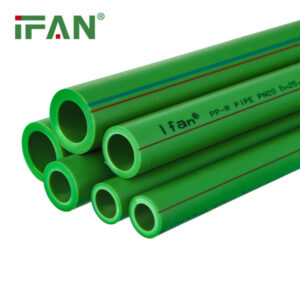
IFAN High-Quality PPR Pipes
- PPR Pipe
Pilsa PPR Plumbing Pipe
- Plastic PPR Pipe
PPR Pipe
- Plastic PPR Pipe
Green PPR Pipe



HAVE ANY QUERIES? SEND TO CONTACTOANTSMACHINE.COM
ONTACT US