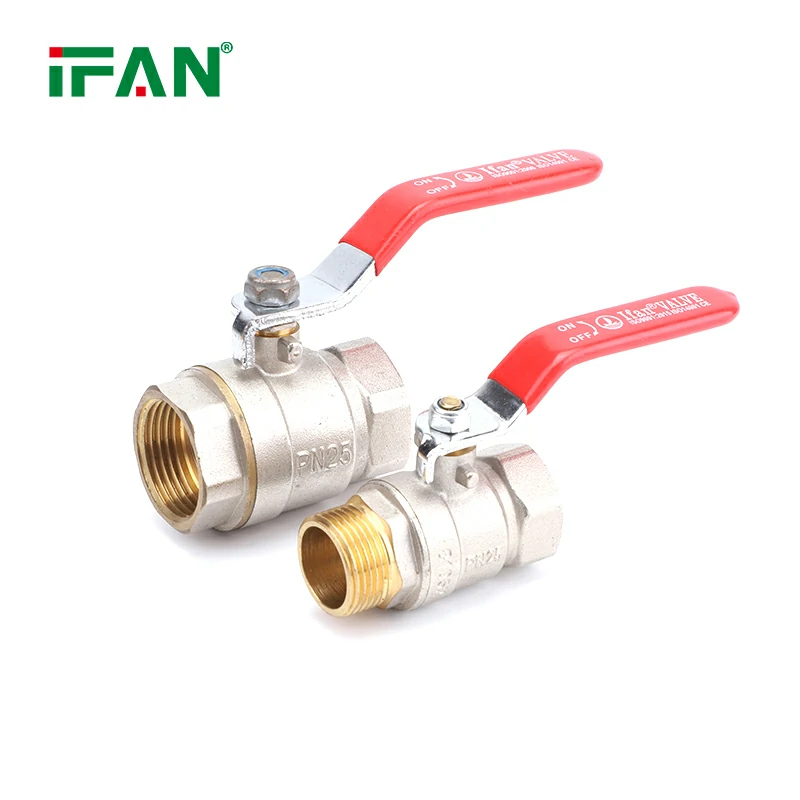
Understanding Brass Ball Valves and Gate Valves
Valves control the flow of water, gas, or other fluids in a pipeline system.
Two common types are brass ball valves and brass gate valves.
They look different and work in unique ways.
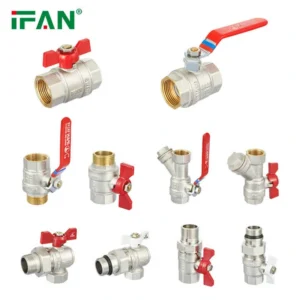
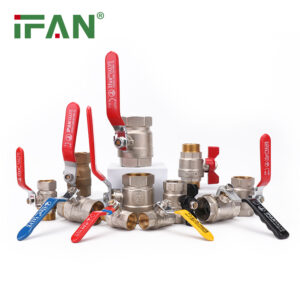
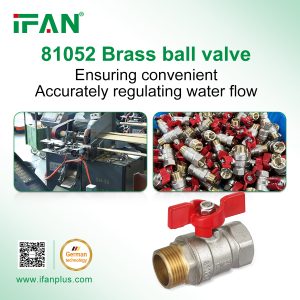
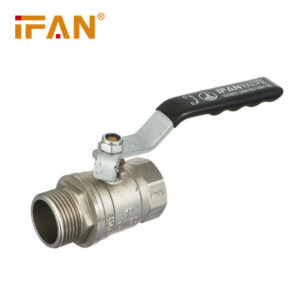
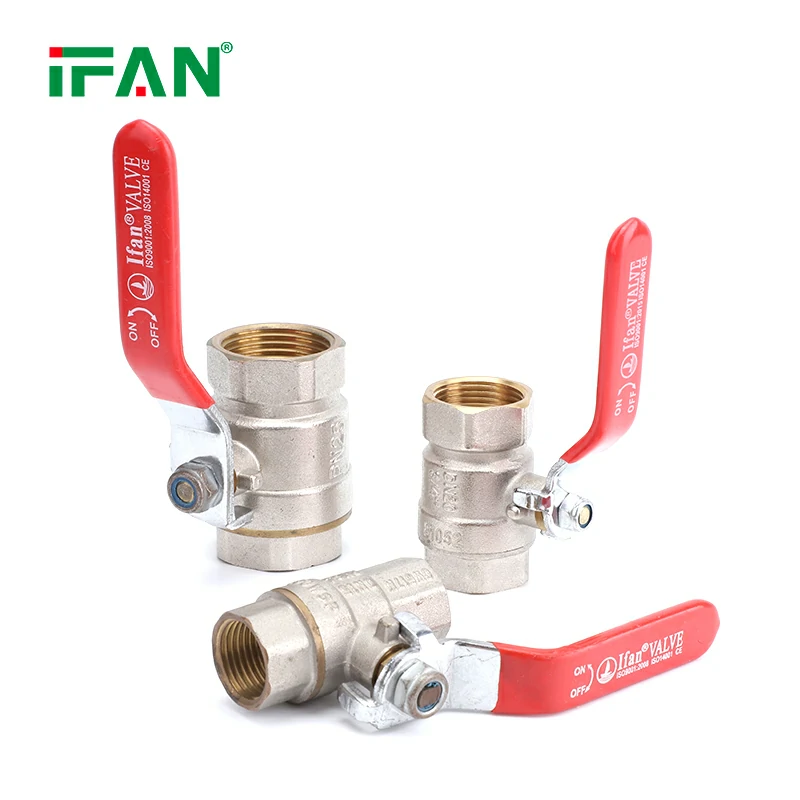
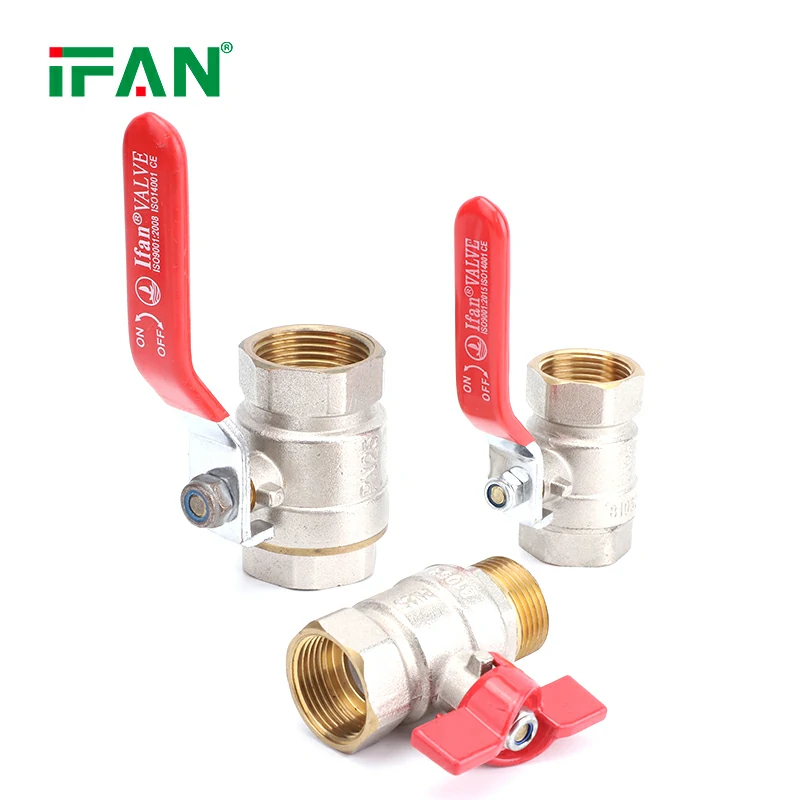
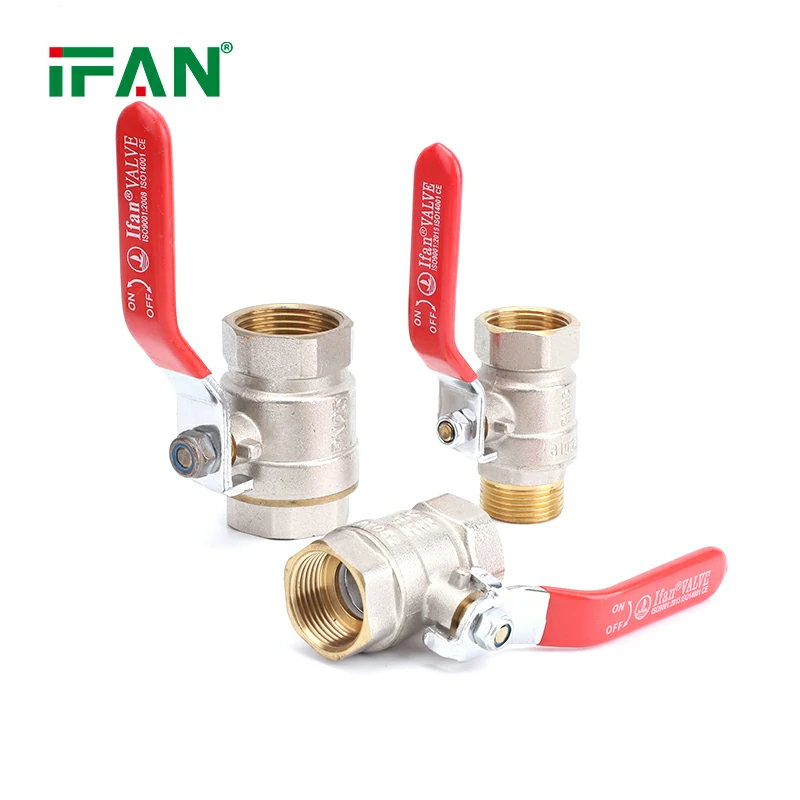
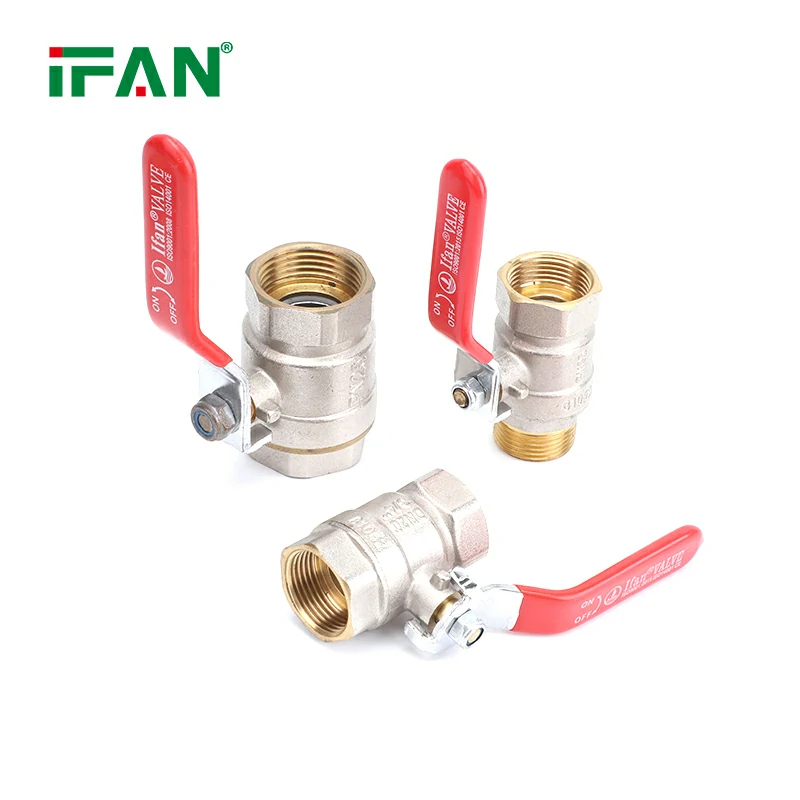
A ball valve uses a spherical ball with a hole through it.
Turning the handle aligns or blocks the hole, controlling flow.
A gate valve uses a rising or sliding gate to stop flow.
Each design has strengths and weaknesses in various applications.
To determine which lasts longer, we must look at material, design, and use.
Brass Material: Durability in Both Valves
Brass is a corrosion-resistant metal often used for plumbing valves.
It contains copper and zinc, making it suitable for water and gas systems.
Brass resists scale buildup and oxidation over time.
Both brass ball valves and brass gate valves share this material advantage.
However, the internal moving parts differ.
Brass can become brittle under extreme conditions, but generally performs well.
Proper water chemistry further enhances brass performance.
The material itself supports long service life in both types.
How the Valve Mechanism Affects Longevity
Valve design affects how long it lasts.
Brass ball valves use a quarter-turn operation with fewer moving parts.
The ball rotates smoothly and seals tightly when closed.
Brass gate valves use a threaded stem and gate that rise or fall.
The gate mechanism is more prone to wear over time.
Turning the handle multiple times stresses the threads and seals.
More movement can lead to early failure or leaks.
This gives ball valves an advantage in reliability.
Resistance to Wear and Tear
Brass ball valves handle frequent operation well.
They open and close quickly with little effort.
Frequent cycling does not damage the ball mechanism.
Brass gate valves may wear with repeated use.
Gate edges can corrode or deform, affecting sealing.
The stem threads also wear down over time.
This wear leads to sticking, leaking, or full failure.
Ball valves are often used in applications needing repeated flow control.
Maintenance and Repair Considerations
Both valve types need occasional inspection.
Brass ball valves usually require less maintenance overall.
They’re easy to open, clean, or replace.
The ball and seat rarely corrode unless misused.
Brass gate valves may stick or fail to seal fully.
Sediment buildup on the gate is common in older systems.
Repairing gate valves is harder due to complex internal parts.
In tight spaces, ball valves are also easier to operate.
Applications and Performance Under Pressure
Brass ball valves are ideal for high-pressure applications.
They seal tightly with minimal torque.
Industrial, commercial, and residential systems prefer them for quick shut-off.
Brass gate valves work well in low-pressure or infrequently used systems.
For example, main shut-off lines may use gate valves.
Gate valves offer fine control, but are slower to operate.
In high-cycle situations, ball valves outperform gate valves in durability.
This makes them the long-term choice in most settings.
Examples and Industry Use
Many HVAC and water treatment systems rely on brass ball valves.
They’re found in compressed air, gas lines, and irrigation systems.
Professionals trust them for durability and leak prevention.
Brass gate valves are still used in some municipal systems.
But their popularity is decreasing due to reliability concerns.
In commercial projects, time equals money.
Fewer maintenance calls make ball valves more attractive.
Over a decade, ball valves often outperform gate valves in performance.
Final Verdict: Which Lasts Longer?
Both valves serve important roles in plumbing and engineering.
However, brass ball valves tend to last longer in most conditions.
Their simpler design and fewer moving parts reduce failure risk.
They resist wear better and require less maintenance.
Brass gate valves are still useful but best for occasional use.
In systems requiring frequent operation, ball valves are superior.
When longevity and reliability matter, choose brass ball valves.
They offer peace of mind and better long-term value.