
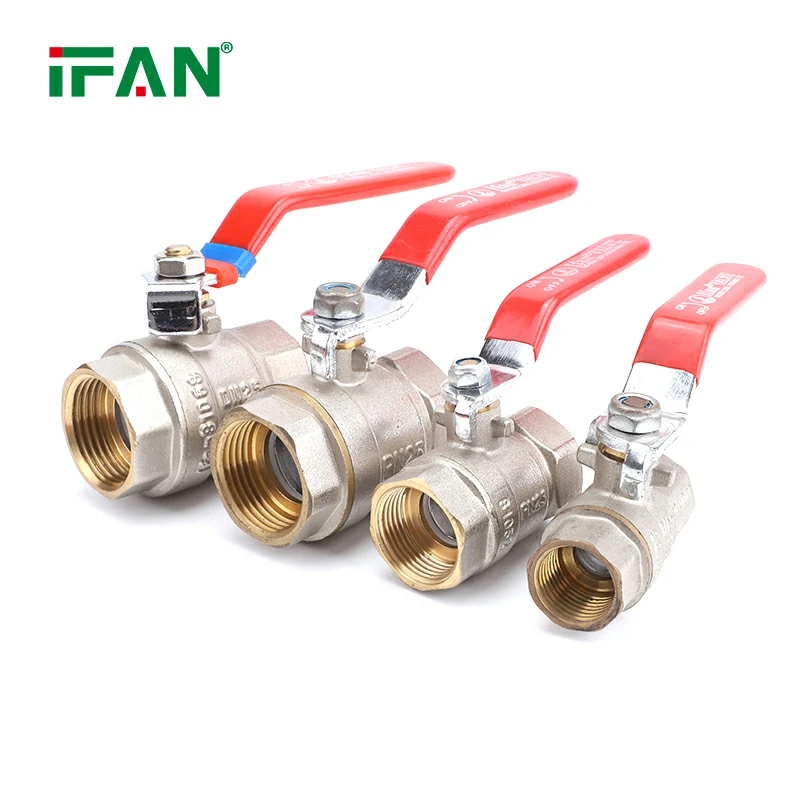
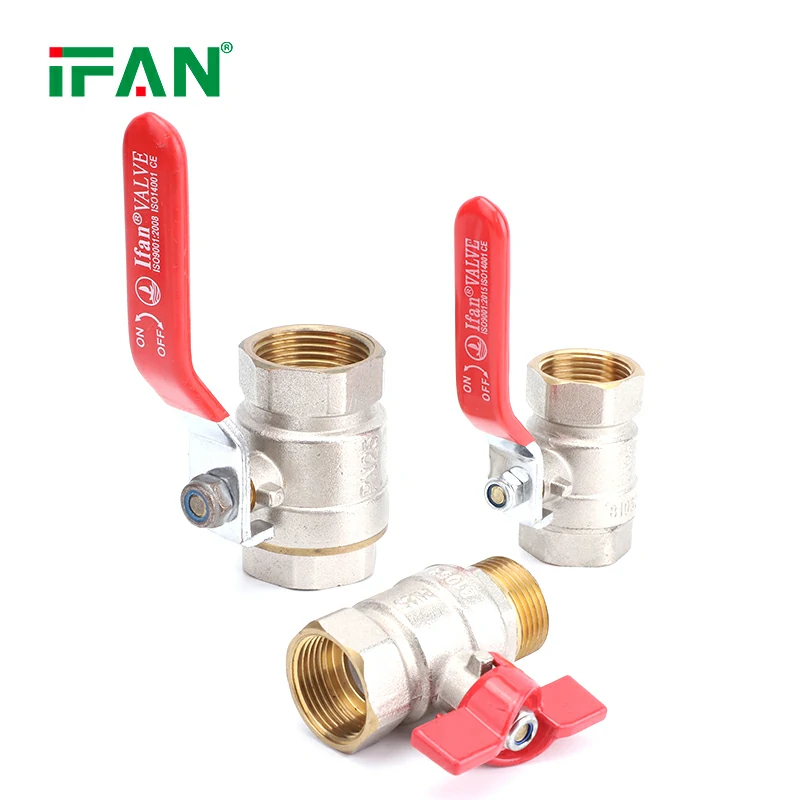
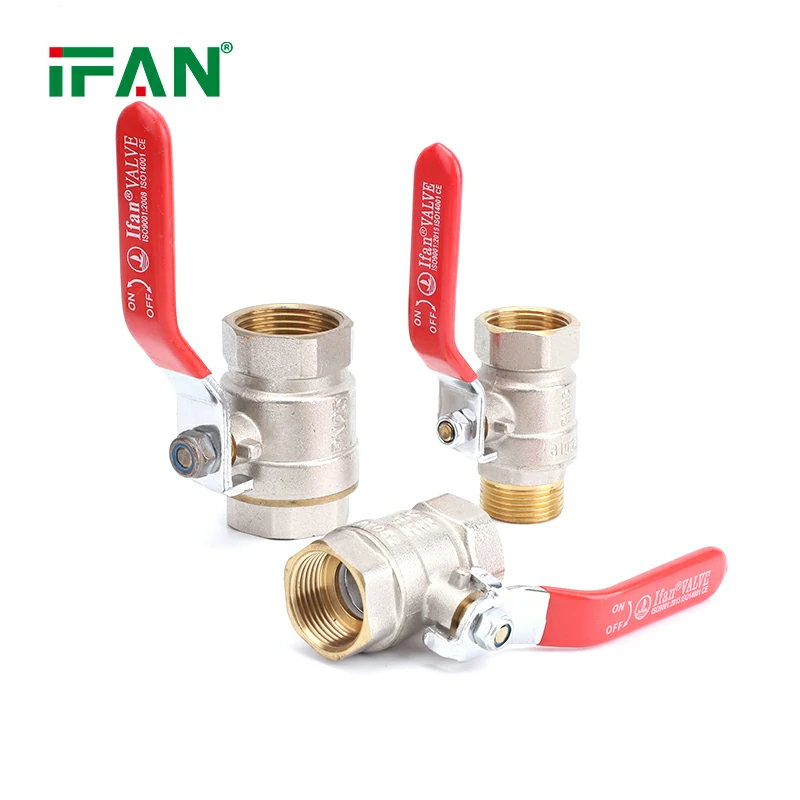
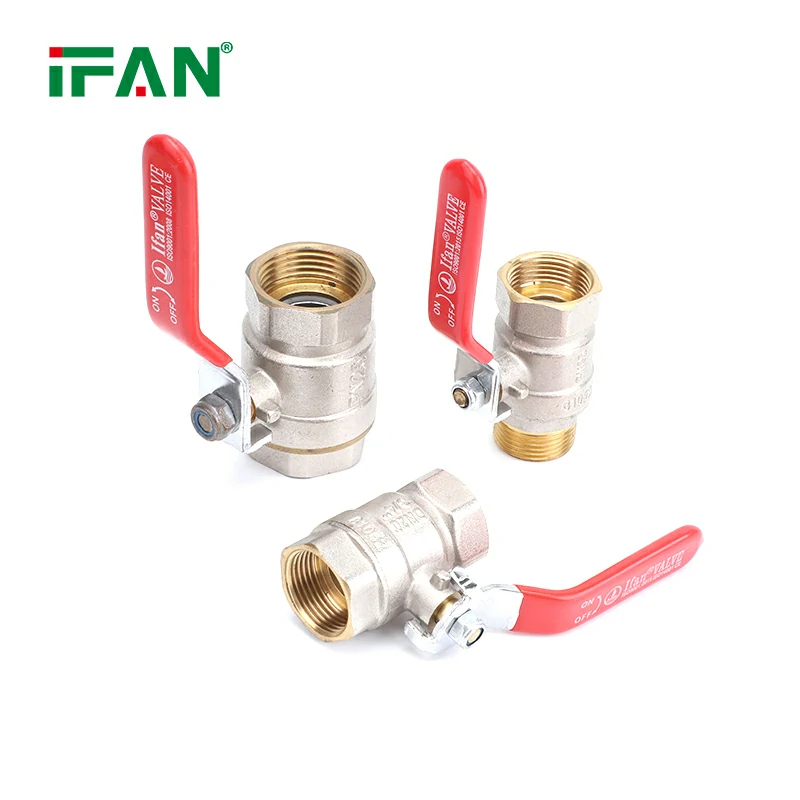
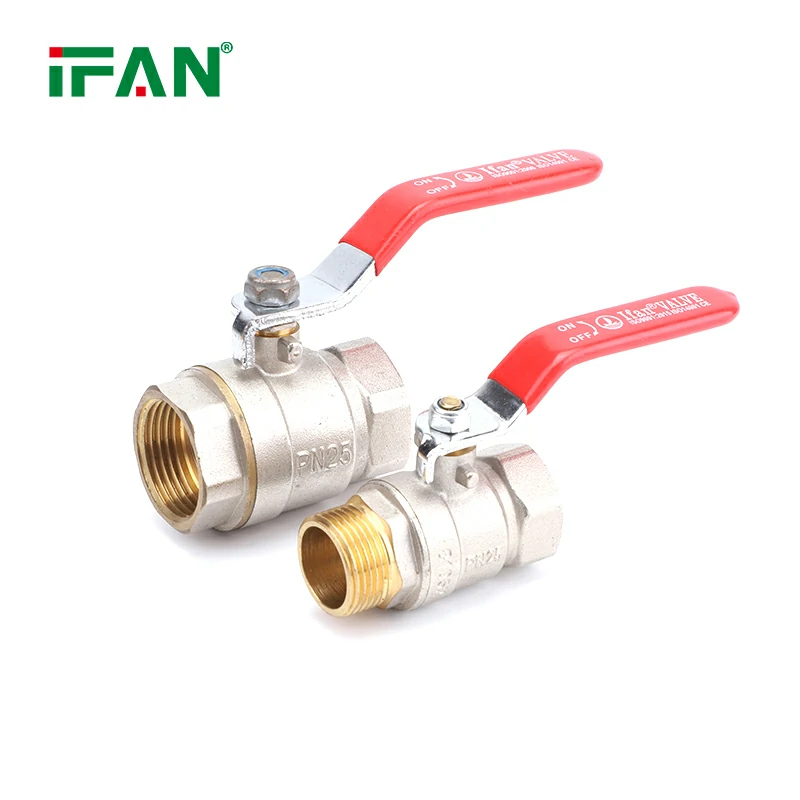
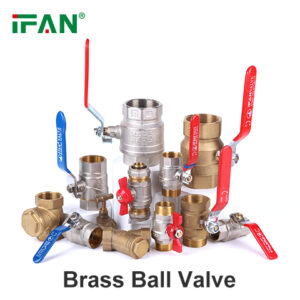
IFAN Threaded Brass Ball Valves
Category : Click Download
Whatsapp : +86 19884503412
Wechat : 19884503412
Description
Introduction to Brass Ball Valves
Brass ball valves are widely used in plumbing and industrial systems.
They are reliable, durable, and easy to operate.
Unlike gate valves, they open and close with just a quarter-turn.
Brass ball valves have a hollow, perforated sphere inside.
When turned, the hole aligns with the pipe, allowing flow.
They are often installed in water lines, gas systems, and heating networks.
Understanding how to open them safely is important for maintenance and control.
This guide will walk you through every step in detail.
Identify the Valve Handle Position
Before opening brass ball valves, check the handle’s position.
A perpendicular handle means the valve is closed.
A parallel handle means the valve is open.
Handles are usually lever-style and attached directly to the ball shaft.
Never force the handle if resistance is felt.
Forcing it may damage internal components or seals.
Make sure you understand which direction controls flow.
If unsure, follow the markings on the valve body or consult documentation.
Safety First: Prepare the Area
Before turning any valve, ensure the area is safe.
Shut off power tools or pumps connected to the system.
Wear safety goggles and gloves for protection.
If working with gas or chemicals, ventilate the area properly.
Check for pressure in the line using a gauge or drain valve.
Depressurize the system before opening any brass ball valves.
Never attempt to open valves in high-pressure systems without professional knowledge.
Always follow proper procedures for system shutdown and isolation.
Use Steady Force to Turn the Handle
To open brass ball valves, apply gentle but firm pressure.
Turn the handle 90 degrees clockwise or counterclockwise, depending on design.
The valve is open when the handle aligns with the pipe.
Do not use tools like wrenches on standard valve handles.
This could strip or damage the handle mechanism.
If the valve is stuck, spray a penetrating oil around the stem.
Wait a few minutes and try again carefully.
Avoid excessive force to prevent damaging internal parts.
Troubleshooting Stiff or Jammed Valves
Brass ball valves may become stiff over time.
Sediment, scale, or corrosion can block smooth movement.
If the valve resists turning, stop and inspect.
Try gently rocking the handle back and forth.
Apply penetrating lubricant if needed.
If still jammed, the valve may need replacement.
Do not strike the valve body to force it open.
This can lead to leaks or structural failure.
In extreme cases, consult a professional plumber or technician.
Verify Flow and Check for Leaks
Once open, check the system for proper flow.
Listen for the sound of water or gas movement.
Observe downstream components for pressure or flow activity.
Look closely around the brass ball valves for any leaks.
Use a paper towel to detect slow drips.
Tighten compression fittings or unions slightly if leaks appear.
Do not overtighten, as this may crack the valve or fitting.
If leaking persists, shut the system and inspect the valve.
When to Open and When to Avoid
Open brass ball valves only when necessary.
Routine inspections and occasional operation prevent long-term seizing.
Avoid opening valves in cold weather if pipes might be frozen.
Frozen water can damage the valve during opening.
In gas systems, ensure proper detection tools are used before opening.
Always follow your local codes and safety regulations.
If you are unsure of valve function or system layout, seek professional advice.
Improper use can lead to injury or system failure.
Conclusion and Best Practices
Brass ball valves offer simple and effective flow control.
They are built for quick, reliable operation with minimal effort.
Always open valves slowly and with care.
Check the handle alignment, pressure conditions, and surroundings first.
Avoid forcing stuck valves or using tools incorrectly.
Regular maintenance helps extend valve life and improve performance.
Brass ball valves are ideal for homeowners, contractors, and engineers alike.
Used correctly, they are among the most dependable valves available.
相关产品
 Brass Ball Valve
IFAN brass foot valve
- Brass Ball Valve
IFAN Full Types Brass Ball Valves
- Brass Ball Valve
IFAN ISO15875 PEX Pipe Ball Valve
- Brass Ball Valve
IFAN Brass Ball Valve



HAVE ANY QUERIES? SEND TO CONTACTOANTSMACHINE.COM
ONTACT US