
Description
Introduction to Brass Ball Valves
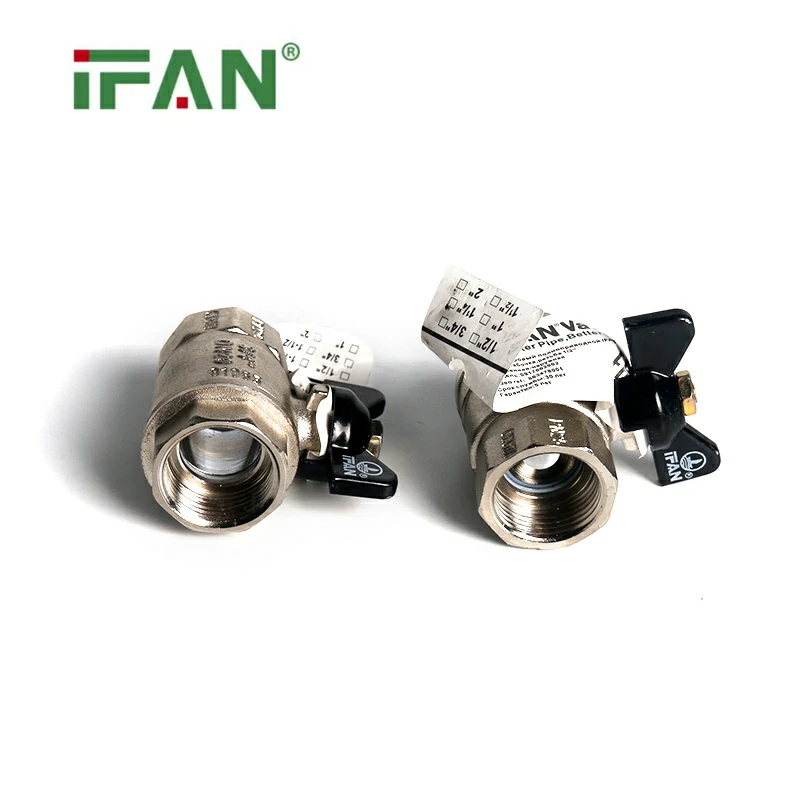
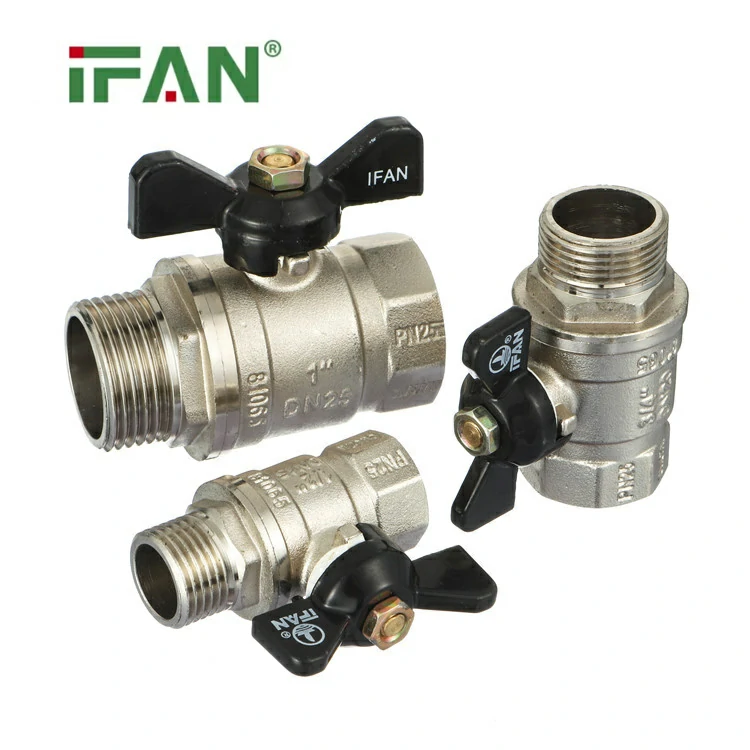
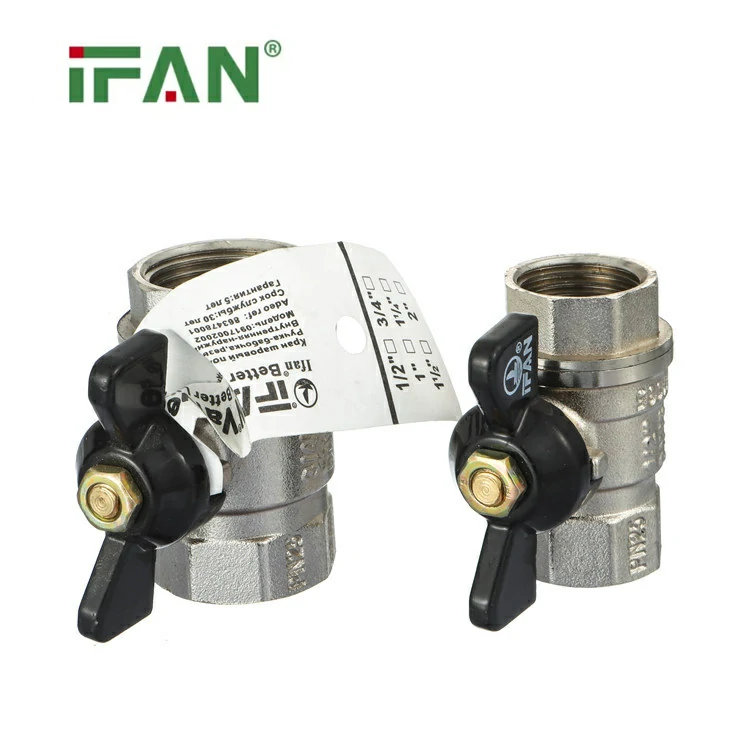
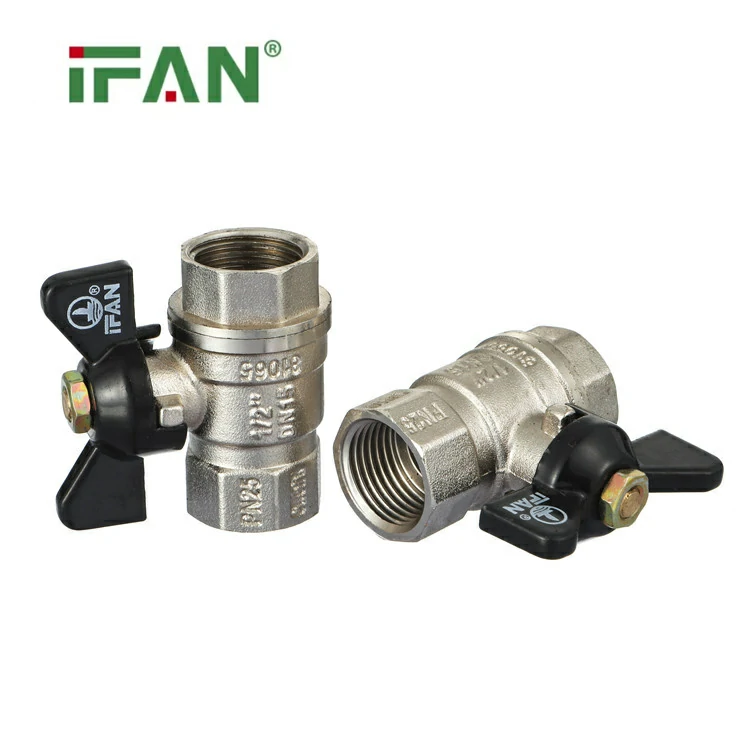
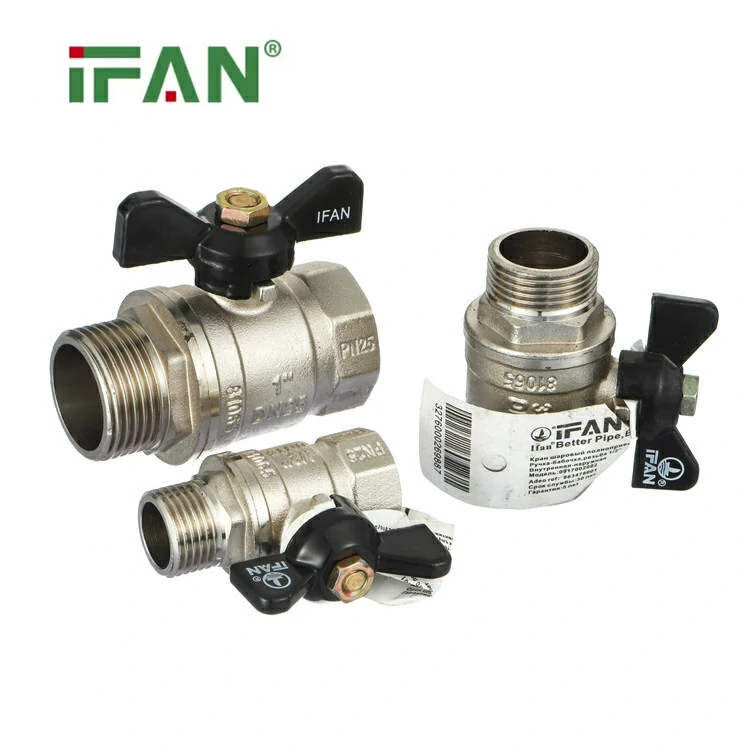
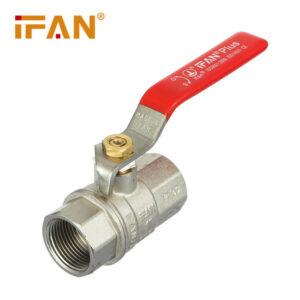
A brass ball valve is a common type of shut-off valve used in plumbing and industrial systems. It controls water flow using a rotating ball with a bore. Brass, an alloy of copper and zinc, offers excellent durability and corrosion resistance. These valves are popular in residential and commercial water systems due to their reliability. They come in various sizes, typically ranging from ¼ inch to 4 inches. Brass ball valves are suitable for both hot and cold water applications. Their simple design ensures easy operation and maintenance.
Advantages of Using Brass Ball Valves for Water
Brass ball valves provide several benefits for water applications. They resist rust and mineral buildup better than steel valves. Brass also handles high pressure (up to 600 PSI in some models) without leaking. Their smooth interior reduces water flow restriction. Unlike plastic valves, brass ball valves withstand temperature extremes (-20°F to 400°F). They are also lead-free in modern designs, making them safe for potable water. For example, many home water heaters use brass ball valves for durability.
Potential Concerns with Brass Ball Valves
Despite their advantages, brass ball valves have some limitations. Low-quality brass may contain lead, posing health risks in drinking water systems. Older valves without NSF/ANSI 61 certification should be avoided. Brass can corrode in highly chlorinated or acidic water. In saltwater applications, dezincification (zinc leaching) may weaken the valve. For instance, coastal areas may require dezincification-resistant (DZR) brass valves. Proper material selection ensures long-term performance.
Brass vs. Other Materials for Water Valves
Compared to plastic (PVC/CPVC) valves, brass ball valves offer higher strength and temperature resistance. Stainless steel valves are more corrosion-resistant but costlier. Bronze valves are similar but pricier than brass. For most residential uses, brass provides the best balance of cost and performance. For example, a ½-inch brass ball valve is common under sinks, while PVC valves suit low-pressure irrigation.
Proper Installation of Brass Ball Valves
Correct installation ensures a brass ball valve works efficiently. Use Teflon tape or pipe sealant on threaded connections. Avoid overtightening, which can crack the valve body. Support the valve with brackets if needed. Install in accessible locations for easy maintenance. For example, a brass ball valve on a main water line should be placed where it can be quickly shut off during leaks.
Maintenance and Lifespan of Brass Ball Valves
Brass ball valves require minimal maintenance but should be checked periodically. Exercise the valve occasionally to prevent seizing. Inspect for leaks, especially at connection points. If corrosion appears, replace the valve promptly. A well-maintained brass ball valve can last 20+ years. For instance, valves in municipal systems often exceed this lifespan with proper care.
Applications of Brass Ball Valves in Water Systems
Brass ball valves are versatile in water-related uses. They control flow in household plumbing, irrigation, and HVAC systems. Industrial plants use them for process water and cooling lines. They are also common in water treatment facilities. For example, a 1-inch brass ball valve might regulate water supply to a commercial building.
Conclusion: Are Brass Ball Valves Suitable for Water?
Yes, brass ball valves are an excellent choice for water systems when selected correctly. They offer durability, corrosion resistance, and reliable performance. Always choose lead-free, NSF-certified valves for drinking water. Proper installation and maintenance maximize their lifespan. For most residential and commercial applications, brass ball valves provide a cost-effective and efficient solution.
相关产品
 Brass Ball Valve
IFAN Full Types Brass Ball Valves
- Brass Ball Valve
IFAN ISO15875 PEX Pipe Ball Valve
- Brass Ball Valve
Festo Brass Ball Valve
- Brass Ball Valve
Female Ball Valve


HAVE ANY QUERIES? SEND TO CONTACTOANTSMACHINE.COM
ONTACT US