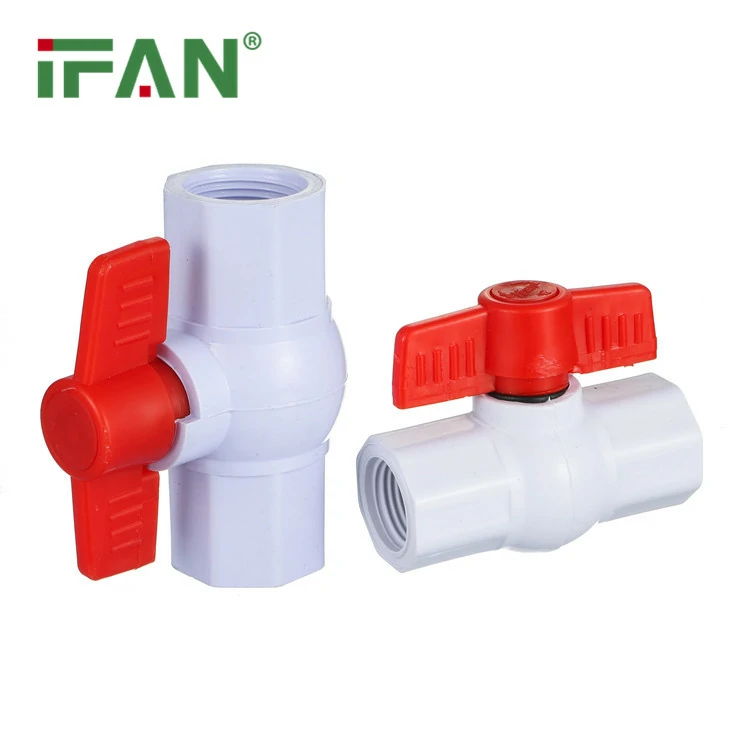
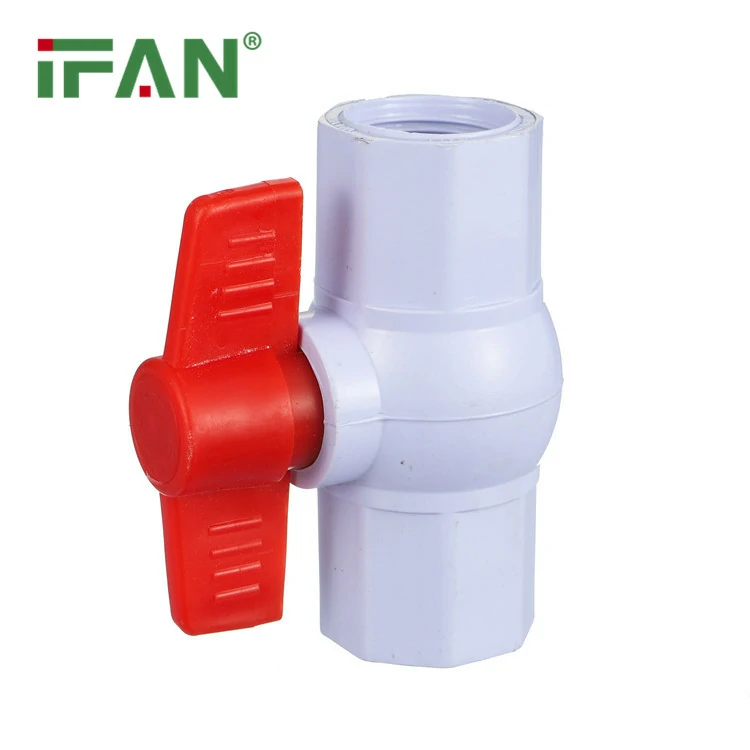
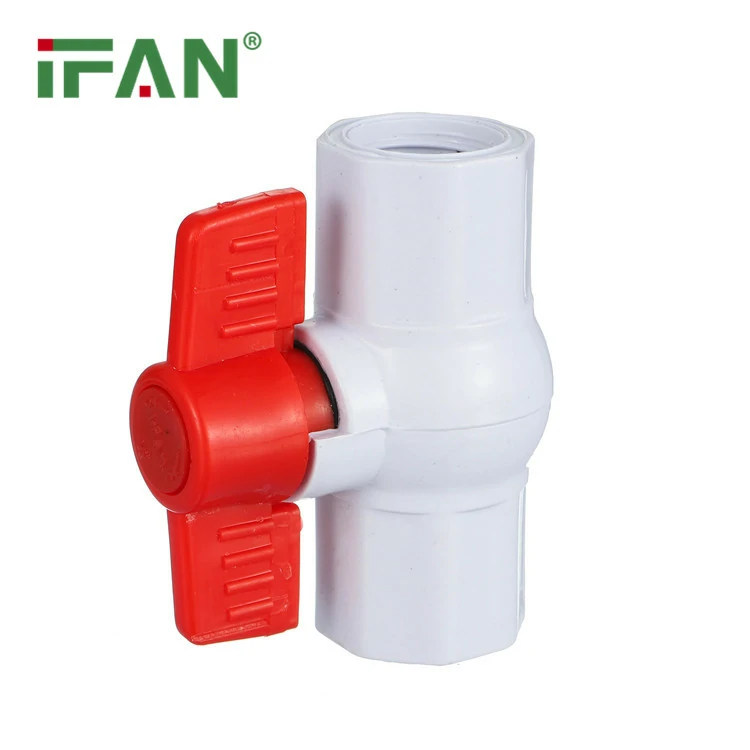
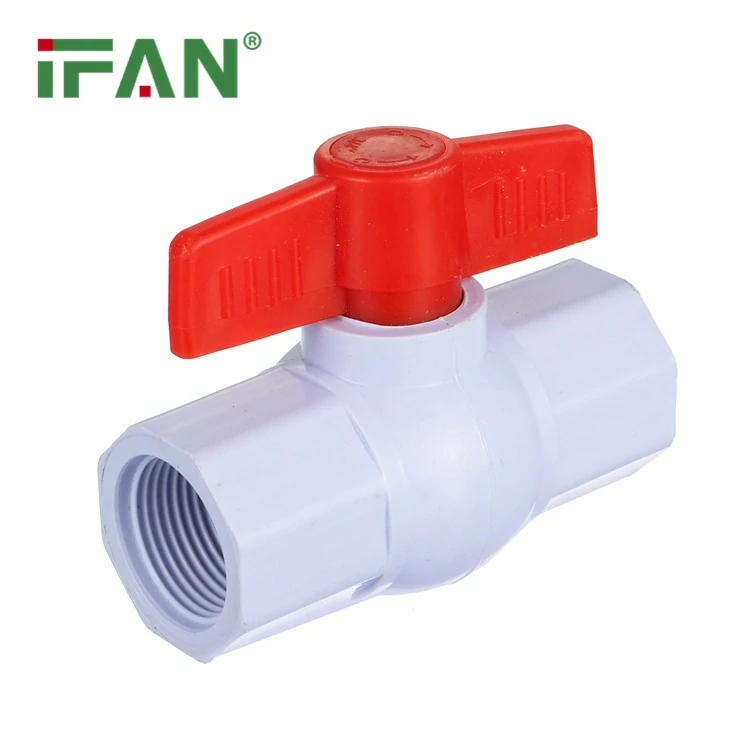
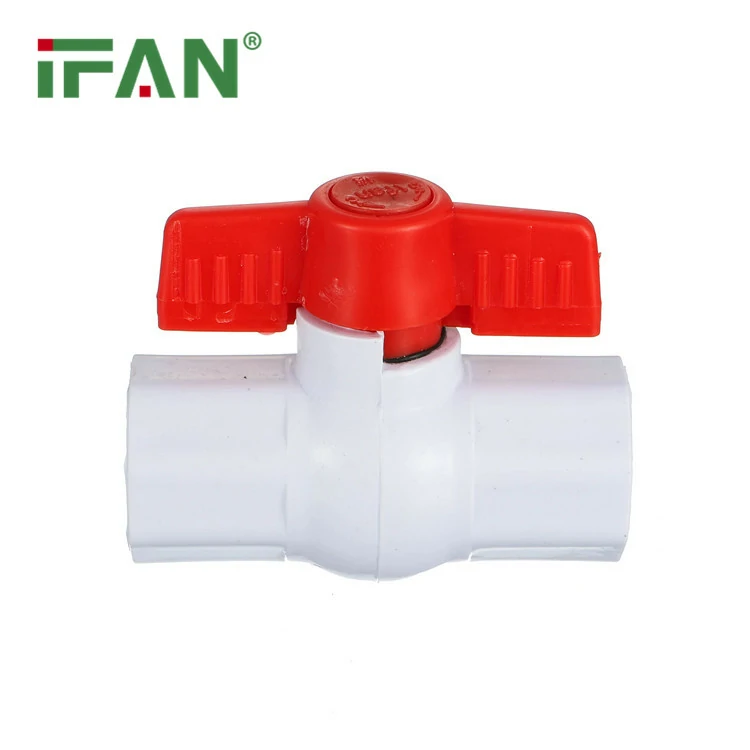
Introduction to PVC Ball Valves
PVC ball valves are essential components in fluid control systems. They regulate flow using a rotating ball with a bore. These valves are made from durable polyvinyl chloride plastic. Their simple design offers reliable shut-off capability. PVC ball valve works in both residential and industrial applications. They’re particularly popular in water systems due to corrosion resistance. Common sizes range from ½ inch to 6 inches.
Residential Plumbing Applications
PVC ball valves serve multiple purposes in homes:
- Main water shutoff valves
- Irrigation system control points
- Water heater isolation valves
- Outdoor faucet connections
Homeowners prefer them for their affordability and ease of installation. For example, a 1-inch PVC ball valve typically controls backyard sprinkler systems. Their lightweight design makes DIY installations practical.
Industrial Water Treatment Uses
Water treatment plants rely on PVC ball valve for:
- Chemical dosing systems
- Filtration backwash controls
- Effluent management
- Process water distribution
Their chemical resistance handles chlorine and other treatment chemicals. Large 4-inch PVC ball valves often manage main distribution lines. They outperform metal valves in corrosive environments.
Agricultural Irrigation Systems
Farmers use PVC ball valve for:
- Zone control in fields
- Fertilizer injection points
- Pond water management
- Drip irrigation systems
The valves withstand constant sun exposure better than metal alternatives. A typical farm might use dozens of 2-inch PVC ball valves. Their smooth bore prevents clogging from sediment.
Pool and Spa Equipment Control
PVC ball valves are ideal for aquatic applications:
- Filter system isolation
- Heater bypass configurations
- Water feature flow control
- Chemical feeder connections
They resist pool chemicals that corrode metal valves. Most pool systems use 1½-inch or 2-inch sizes. The non-conductive material adds electrical safety.
Industrial Chemical Processing
Chemical plants utilize PVC ball valves for:
- Acid transfer lines
- Solvent distribution
- Waste stream management
- Process isolation points
Special CPVC versions handle higher temperatures. A typical chemical plant may have hundreds of PVC ball valve. They’re preferred for handling aggressive chemicals safely.
Advantages Over Metal Valves
PVC ball valve offers significant benefits:
- No rust or corrosion
- Lightweight construction
- Lower cost than metal alternatives
- Easy installation
- Chemical resistance
They typically last longer than metal valves in water applications. Maintenance costs are significantly reduced. Their smooth interior minimizes flow restriction.
Limitations and Proper Selection
PVC ball valve has some restrictions:
- Temperature limits (typically 140°F max)
- Pressure limitations (usually 150 PSI)
- Not suitable for steam systems
- UV degradation requires protection outdoors
Proper selection ensures optimal performance. Always check manufacturer specifications. For high-temperature applications, CPVC versions are available.