
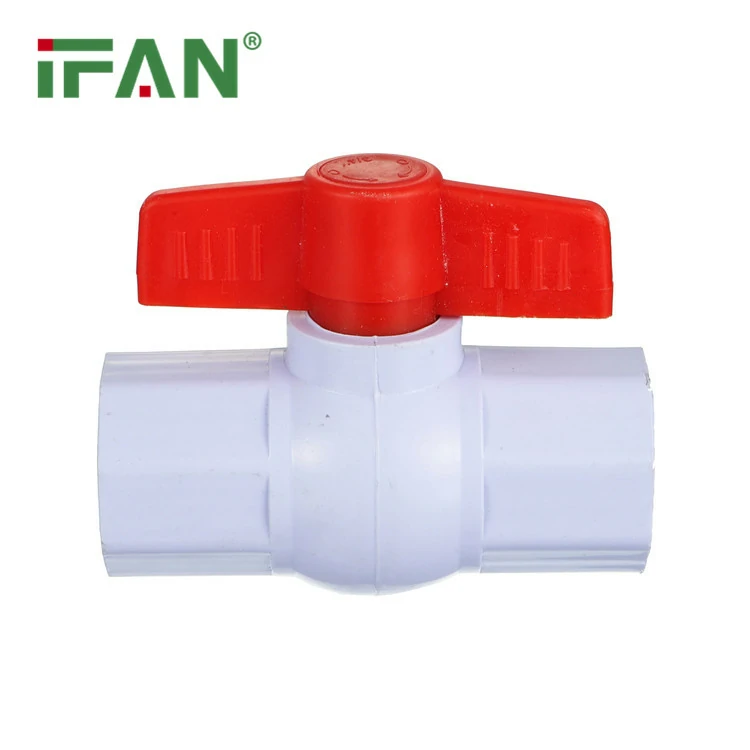
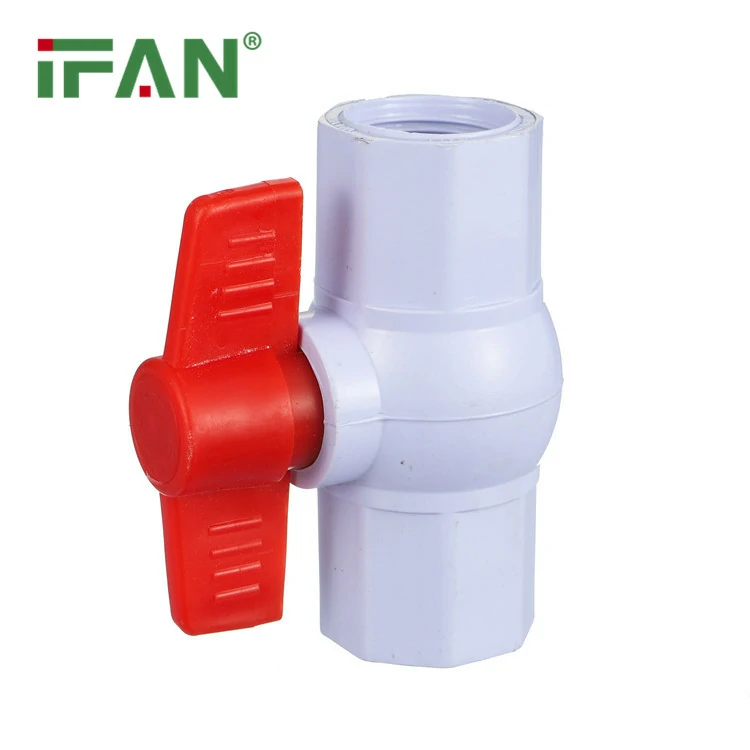
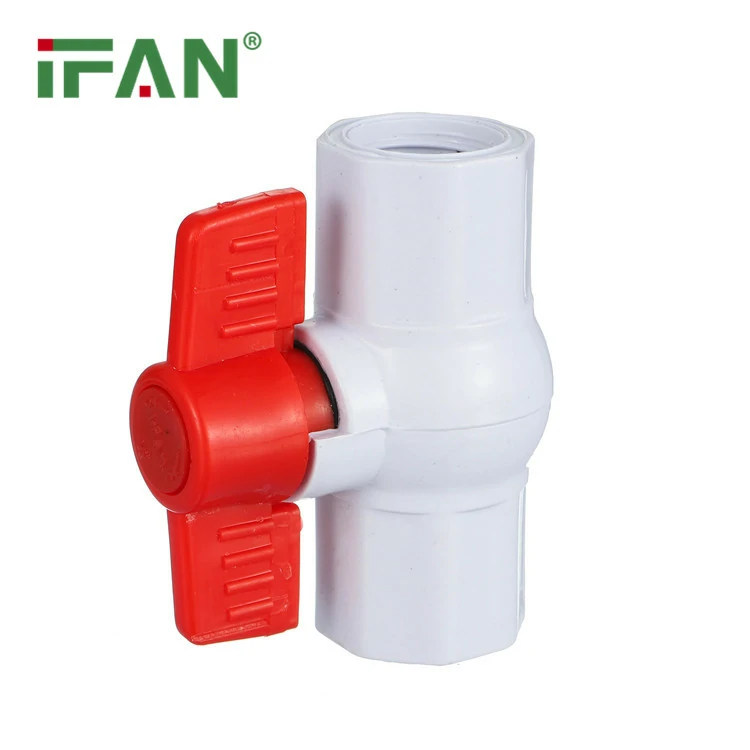
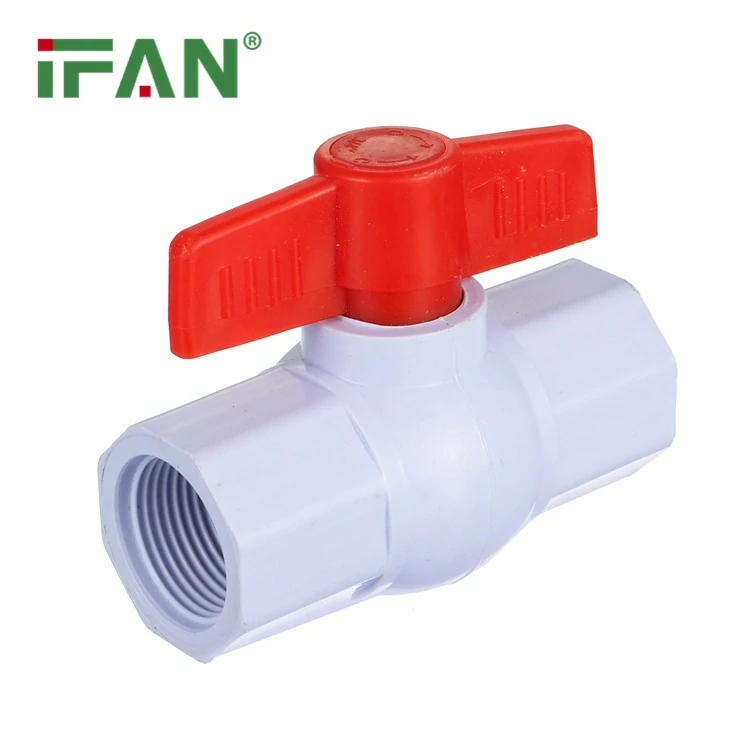
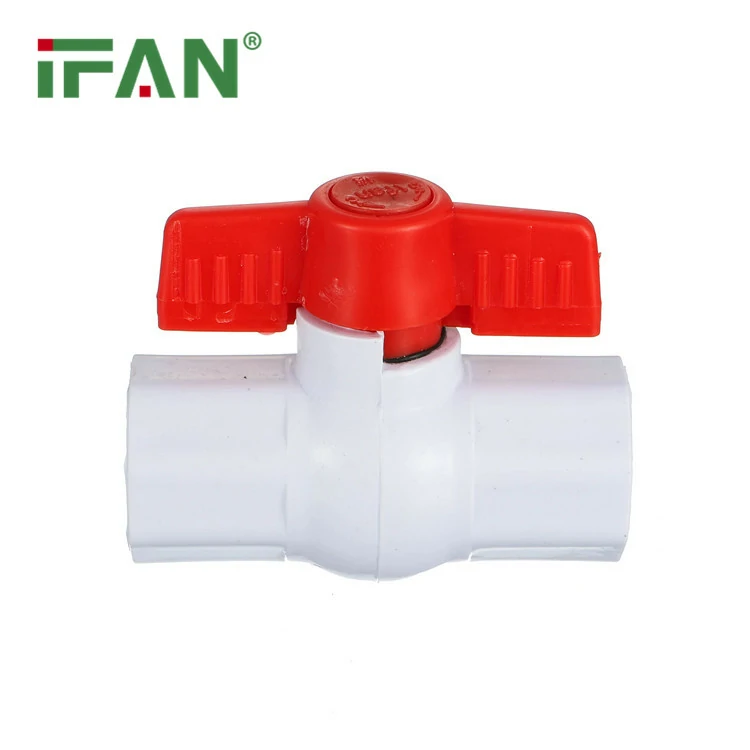
IFAN White Body PVC Ball Valves
Category : Click Download
Whatsapp : +86 19884503412
Wechat : 19884503412
Description
Material Expansion and Contraction Issues
PVC ball valves often become stiff due to material properties. Temperature changes cause PVC to expand and contract differently than metal components. This creates friction between the ball and valve body. Cold weather makes PVC more rigid, increasing resistance. Daily temperature swings in outdoor installations accelerate this problem. For example, irrigation systems show more valve stiffness than indoor plumbing.
Mineral Deposits and Scale Buildup
Hard water causes calcium deposits inside PVC ball valves. These mineral accumulations restrict ball movement over time. The problem worsens in high-mineral content areas. Scale forms between the ball and seats, creating friction. Well water systems particularly suffer from this issue. A 1-inch PVC ball valve may become unusable within two years in such conditions.
Improper Installation Practices
Many stiffness problems originate during installation. Over-tightening during assembly distorts the valve body. Misalignment puts uneven pressure on the ball. Lack of proper support causes stress on connections. Using incompatible pipe cements can also affect performance. These installation errors may not show immediate effects but cause long-term operation issues.
Wear and Tear Over Time
Continuous use degrades PVC ball valve components. The PTFE seats wear down, allowing the ball to rub against the body. Stem seals deteriorate, increasing friction. UV exposure makes outdoor valves brittle. Cyclic pressure changes fatigue the material. Industrial applications see faster deterioration than residential systems.
Manufacturing Tolerances
Lower-quality PVC ball valves often have tighter clearances. Imperfect ball machining creates uneven surfaces. Poorly finished stems increase rotational resistance. Some economy valves use inferior seat materials. These manufacturing shortcuts save costs but reduce operational smoothness. Brand-name valves typically turn easier than generic versions.
Chemical Incompatibility Problems
Certain fluids degrade PVC ball valve components. Chlorine attacks seals in swimming pool applications. Petroleum-based products soften the PVC material. Acidic solutions can etch the ball surface. Even approved chemicals cause gradual deterioration. The valves may work initially but stiffen after chemical exposure.
Solutions for Stiff PVC Ball Valves
Several methods can restore smooth operation:
- Apply silicone-based lubricant to the stem
- Cycle the valve fully multiple times
- Clean mineral deposits with vinegar solution
- Replace severely degraded valves
- Install water softeners in hard water areas
Regular maintenance prevents most stiffness issues.
Prevention and Proper Selection
Choose the right PVC ball valve for each application:
- UV-resistant models for outdoor use
- Full-port designs for better flow
- Higher-grade valves for industrial use
- Chemical-resistant versions when needed
Proper installation and periodic exercise maintain smooth operation. Quality valves last longer and perform better.
相关产品
 PVC Pipe & Fittings
IFAN UPVC GB PN16 45° Elbow
- UPVC Fittings
IFANPlus 801 UPVC Pipe Fittings
- PVC Pipe & Fittings
IFAN DIN UPVC Reducing Coupling
- PVC Pipe & Fittings
IFAN UPVC SCH40 Pipe Clip



HAVE ANY QUERIES? SEND TO CONTACTOANTSMACHINE.COM
ONTACT US