
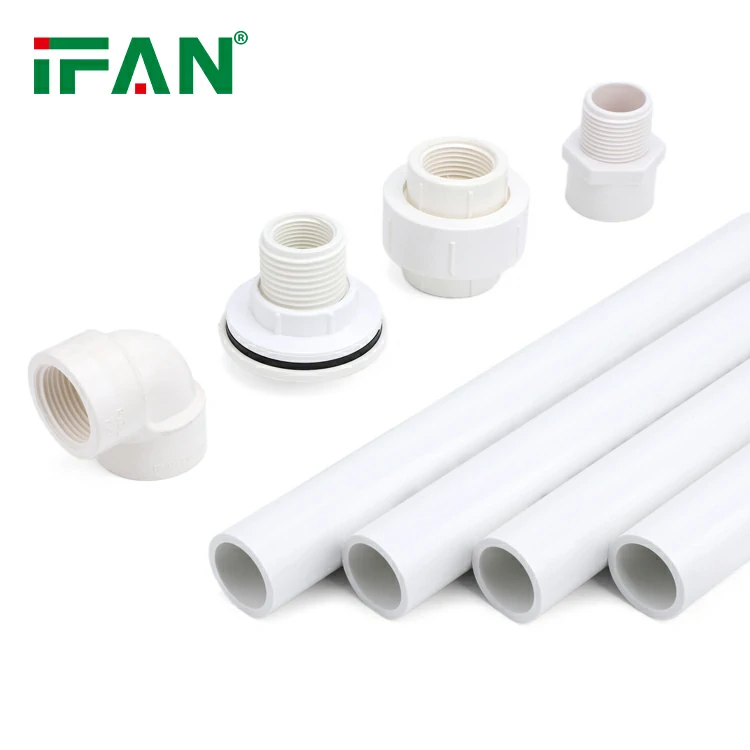
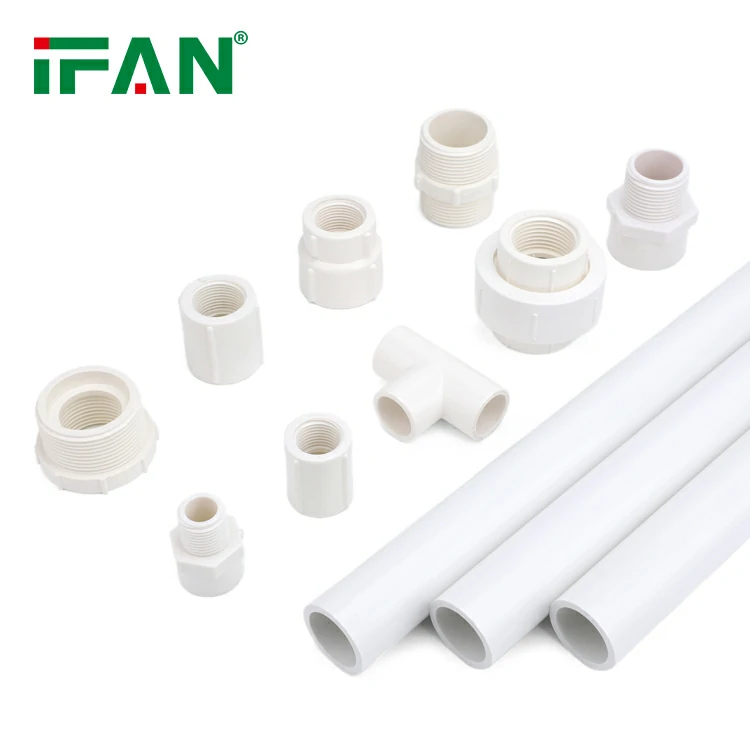
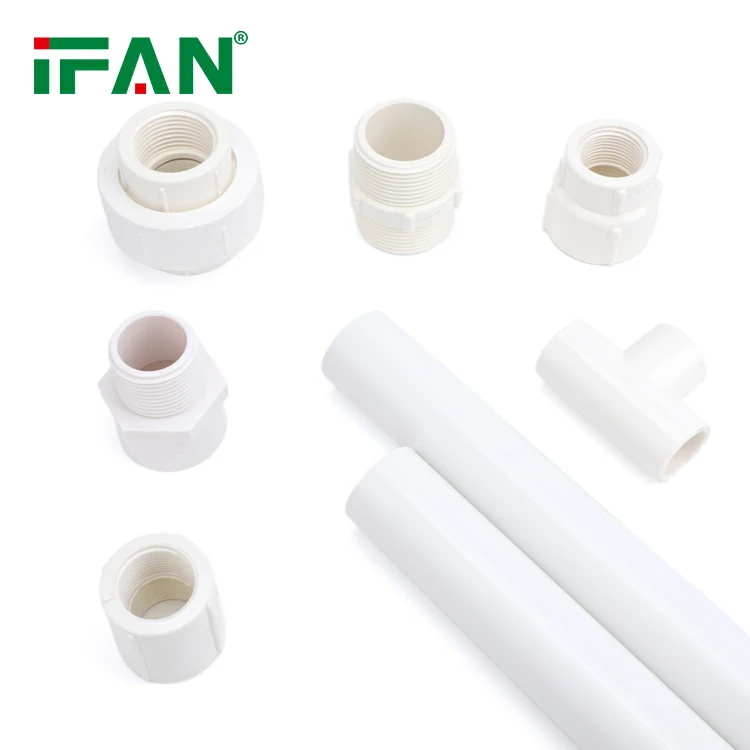
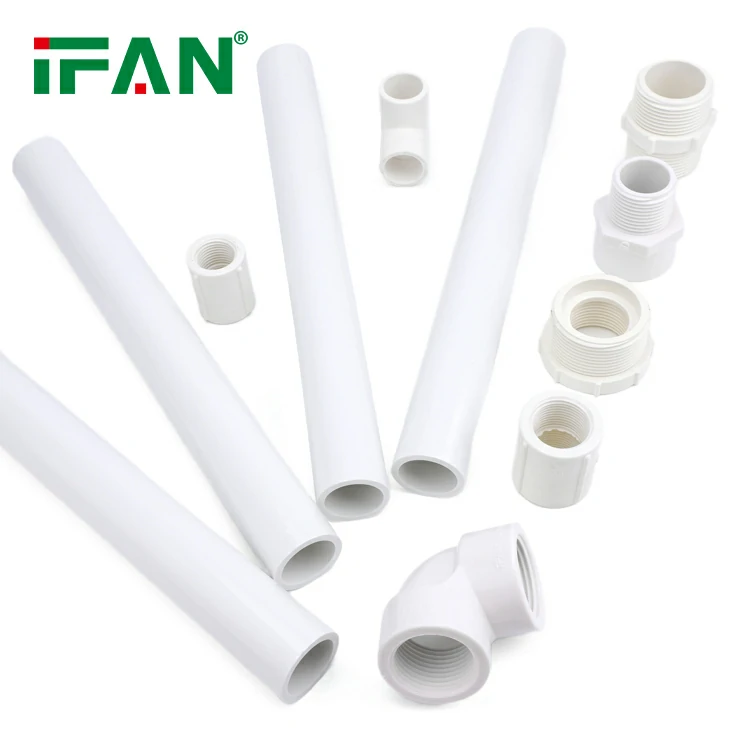
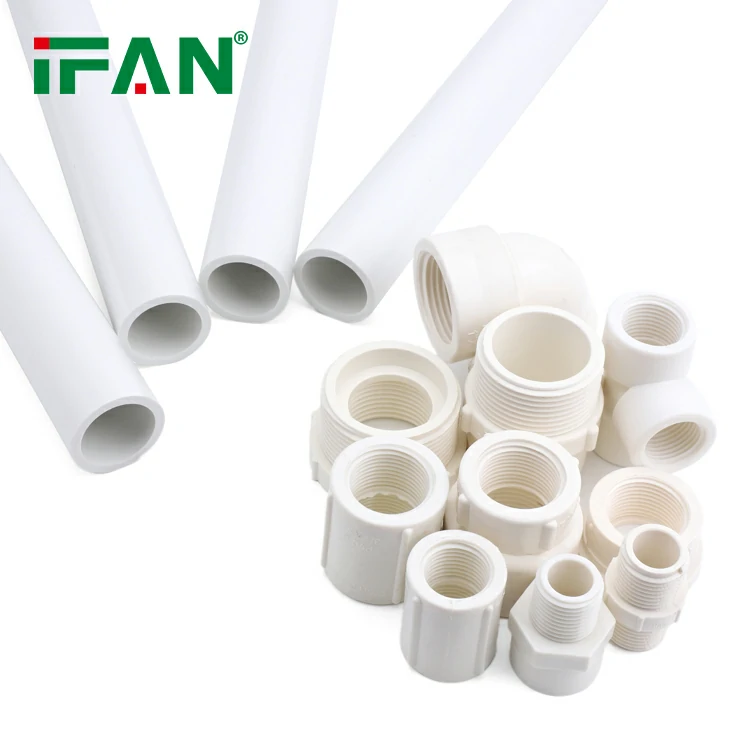
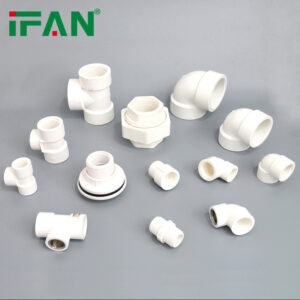
IFAN British Standard Thread UPVC Pipe Fittings
Category : Click Download
Whatsapp : +86 19884503412
Wechat : 19884503412
Description
Understanding UPVC Pipe Fitting Connections
UPVC pipe fittings create permanent bonds when glued with solvent cement. The cement chemically fuses the pipe and fitting together. This fusion creates a joint stronger than the pipe itself. Unlike threaded connections, glued UPVC fittings aren’t designed for disassembly. The bonding process permanently alters the material structure. Attempting separation usually damages both components.
The Chemical Welding Process Explained
Solvent cement works by softening the UPVC material temporarily. It dissolves the surface layers of both pipe and fitting. When pressed together, the molecules permanently interlock. The joint cures completely within 24 hours. This creates a homogeneous, leak-proof connection. No mechanical fasteners remain after curing.
Why Disassembly Is Nearly Impossible
The fused joint lacks separable components after curing. There’s no threaded collar or compression ring to loosen. Cutting becomes the only viable separation method. The molecular bond resists twisting or pulling forces. Attempted disassembly often cracks the fitting or pipe. Professional plumbers never rely on reusing glued joints.
Potential Damage From Separation Attempts
Forced disassembly methods typically cause:
- Cracked pipe ends
- Deformed fitting sockets
- Weakened adjacent sections
- Internal surface damage
Even successful separation ruins both components. The damaged areas cannot form proper new joints. Replacement becomes necessary for system integrity.
When Cutting Becomes the Only Option
Careful cutting preserves maximum usable pipe length:
- Measure twice before cutting
- Use a fine-tooth saw for clean cuts
- Deburr the pipe end thoroughly
- Prepare new fitting surfaces properly
This approach maintains system reliability while allowing modifications. Always keep extra couplings for repairs.
Special Cases Where Separation Might Work
Two rare exceptions exist for glued UPVC pipe fittings:
- Within 10 minutes of application (uncured cement)
- Using specialized debonding solvents (limited effectiveness)
Even these methods often leave surfaces unsuitable for reconnection. Most professionals recommend complete replacement instead.
Proper Planning Avoids Disassembly Needs
Smart installation practices prevent later problems:
- Dry-fit all connections first
- Mark proper insertion depths
- Use unions for future access points
- Plan maintenance access carefully
These steps eliminate most needs for disassembling glued joints. Temporary test assemblies verify layouts before final gluing.
Best Practices for System Modifications
For necessary changes after installation:
- Cut out the glued section completely
- Install new couplings and pipe segments
- Use slip fittings where adjustment helps
- Consider mechanical joints for future access
This approach maintains system integrity while allowing modifications. Replacement parts cost less than potential leaks from compromised joints.
Key Insight: Glued UPVC pipe fittings form permanent, inseparable connections. Cutting and replacing remains the only reliable modification method. Proper initial planning minimizes later disassembly needs while maintaining system reliability.
相关产品
 UPVC Fittings
IFAN White UPVC Pipe Fittings
- UPVC Fittings
IFAN 801 UPVC Pipe Fittings
- PVC Pipe & Fittings
IFAN UPVC Pipe Fittings
- PVC Pipe & Fittings
UPVC Pipe Fittings


HAVE ANY QUERIES? SEND TO CONTACTOANTSMACHINE.COM
ONTACT US