
Understanding Brass Compression Fitting Components
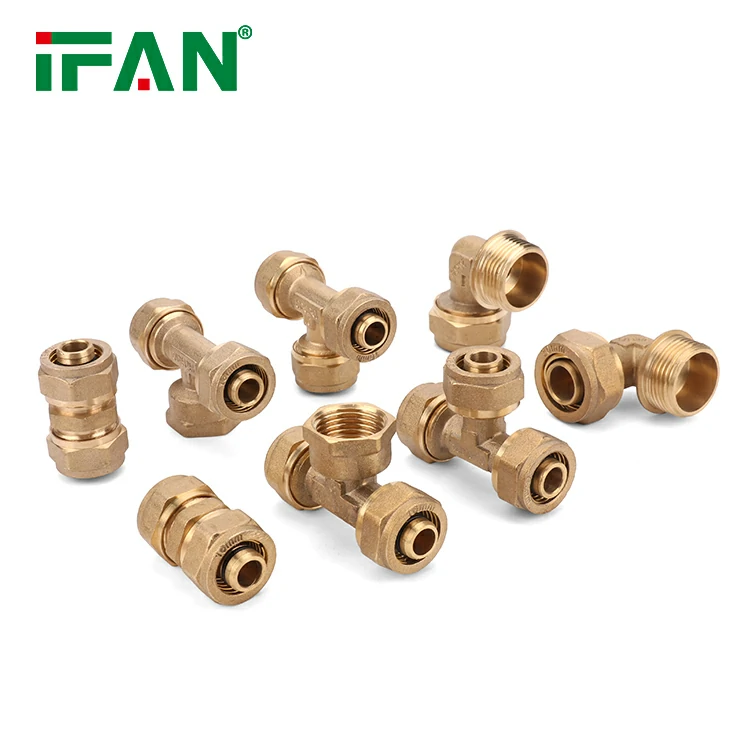
Brass compression fittings consist of three main parts. These include the fitting body, compression nut, and compression ring (olive). The brass body contains the connection ports. The compression nut threads onto the fitting body. The compression ring creates the actual seal when compressed. Understanding these components ensures proper installation. Quality brass compression fittings provide reliable, leak-free connections.
Required Tools and Materials
Gather these essential items before starting:
- Appropriate size brass compression fittings
- Pipe cutter or hacksaw
- Deburring tool or file
- Two adjustable wrenches
- Pipe cleaning solvent
- Soft cloth for cleaning
Having the right tools ensures a professional installation. Quality tools prevent damage to brass compression fittings during assembly.
Pipe Preparation Steps
Proper pipe preparation is crucial for success:
- Cut pipe square using a pipe cutter
- Remove all burrs from inside and outside
- Clean pipe end thoroughly with solvent
- Polish with clean cloth until shiny
- Check for scratches or imperfections
Poor preparation causes most leakage problems with brass compression fittings. Spend extra time on this critical step.
Assembly Sequence and Technique
Follow this precise assembly order:
- Slide compression nut onto pipe first
- Then slide compression ring onto pipe
- Insert pipe fully into fitting body
- Hand-tighten compression nut initially
- Use wrenches for final tightening
Never assemble components in wrong order. This mistake requires completely new brass compression fittings.
Proper Tightening Methods
Correct tightening ensures perfect seals:
- Finger-tighten nut initially
- Mark nut position with tape
- Use two wrenches (one to hold fitting)
- Tighten 1-1.5 turns beyond hand-tight
- Avoid over-tightening which damages rings
Different pipe materials require slightly different turns. Copper needs less turn than plastic pipes.
Testing and Verification Procedures
Always test installations thoroughly:
- Pressure test system before concealment
- Check for leaks with soap solution
- Inspect for proper alignment
- Verify no stress on connections
- Retighten if necessary after 24 hours
Proper testing prevents future problems. Even quality brass compression fitting can leak if improperly installed.
Common Installation Mistakes
Avoid these frequent errors:
- Reusing compression rings
- Under or over-tightening
- Poor pipe preparation
- Cross-threading nuts
- Using wrong size fittings
These mistakes cause most failures. Always use new compression rings with brass compression fitting.
Maintenance and Long-Term Care
Ensure longevity with proper care:
- Periodic visual inspections
- Check for corrosion annually
- Address minor leaks immediately
- Support pipes near fittings
- Avoid excessive vibration exposure
Well-installed brass compression fittings last decades with minimal maintenance. They provide reliable service when installed correctly.