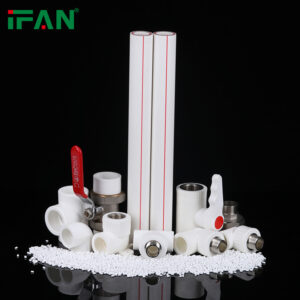
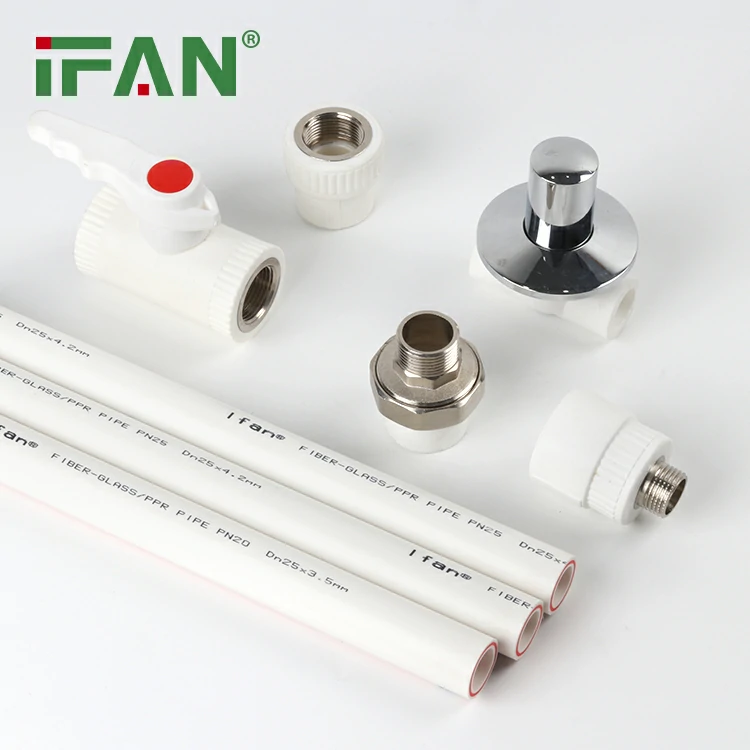
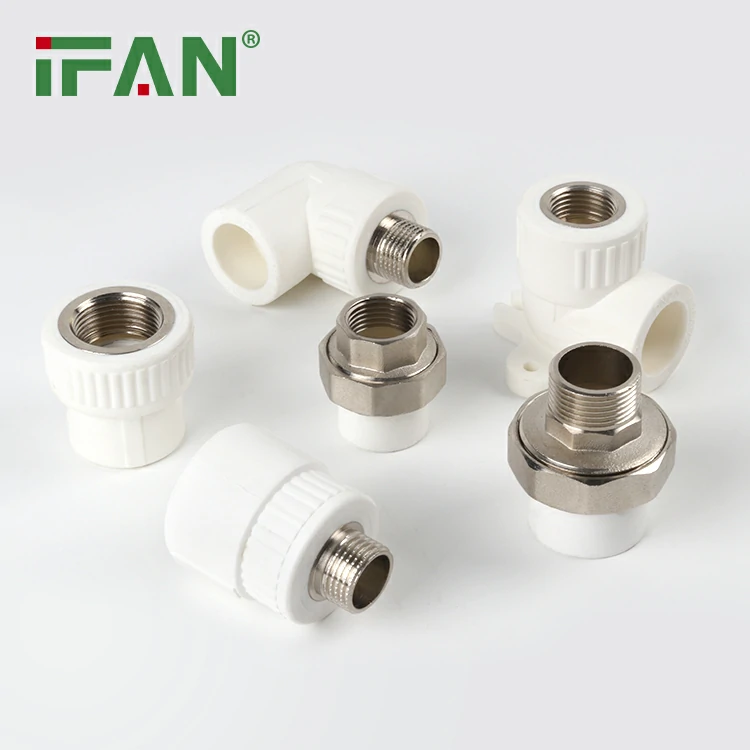
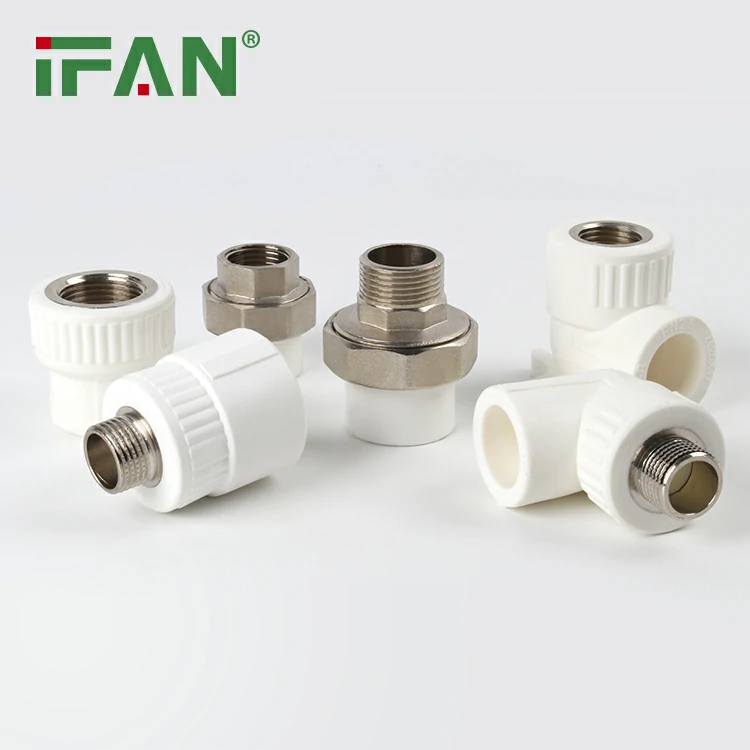
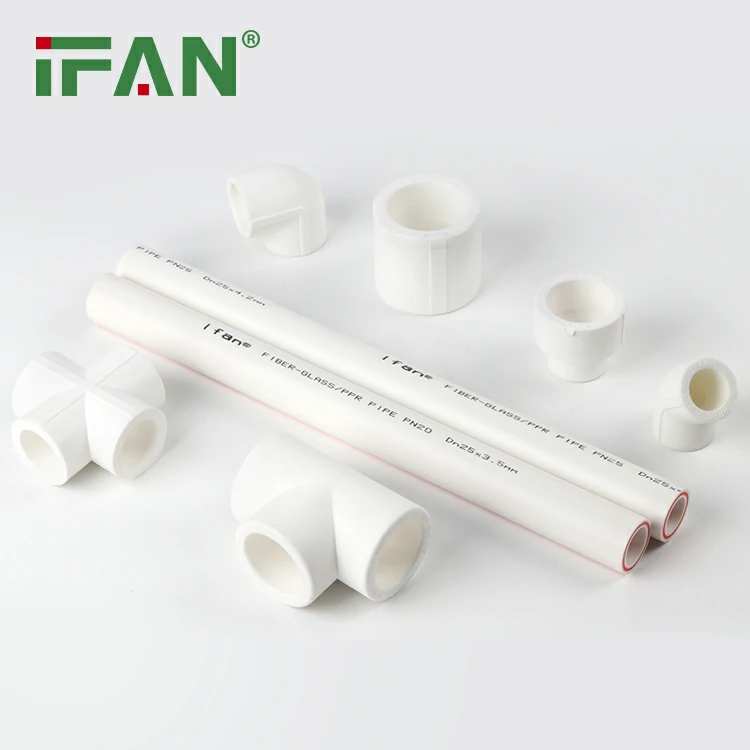
Professional plumbers choose specific types. They select PPR fittings for reliability. These fittings ensure leak-free systems. Their choices are based on experience. They consider function and efficiency.
Standard Elbows: 90° and 45°
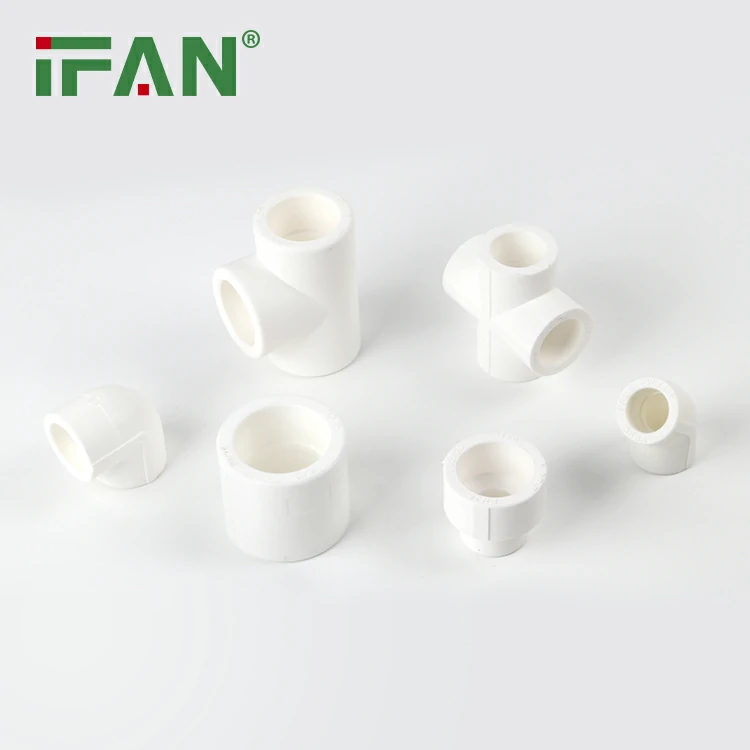
These are the most common fittings. 90-degree elbows change direction sharply. 45-degree elbows provide a gentler turn. Plumbers use them to navigate obstacles. They are essential in tight spaces.
Tees and Crosses for Branch Lines
Tees split flow into two directions. They create branch lines from a main. Crosses connect four pipes together. Plumbers use them for complex distributions. They are vital for multi-outlet systems.
Couplings and Straight Connectors
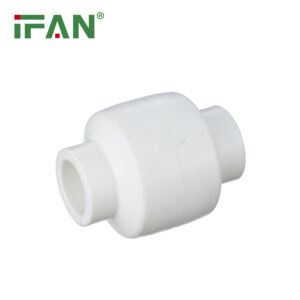
These join two pipes in a straight line. Plumbers use them for extensions. They are also used for repairs. Full-diameter couplings maintain flow. They are simple but very important.
Reducers for Pipe Size Changes
These connect pipes of different diameters. Eccentric reducers are for horizontal lines. Concentric reducers are for vertical lines. Plumbers use them to adapt system sizes. They ensure smooth flow transitions.
End Caps and Plugs for Closures
Caps permanently seal the end of a pipe. Plugs allow for temporary closure. Plumbers use them during system testing. They also use them for future extensions. They provide secure termination points.
Ball Valves for Flow Control
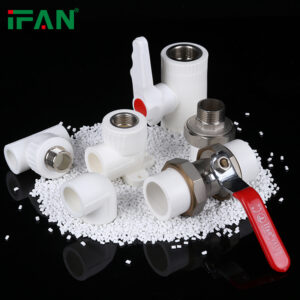
Integrated PPR fittings with ball valves are popular. They allow for easy flow shut-off. Plumbers install them for maintenance points. They provide local isolation capability. This is crucial for system servicing.
Bypass and Manifold Fittings
Manifolds distribute water to multiple points. They are used in under-sink installations. Bypass fittings allow for system flexibility. Plumbers use them for complex heating systems. They improve system efficiency.
Wall Plates and Sockets
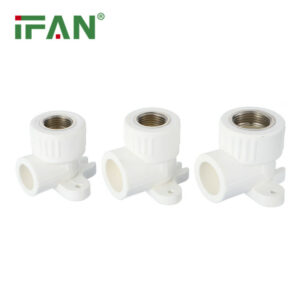
These provide secure mounting points. They connect pipes to fixtures neatly. Plumbers use them for toilets and sinks. They ensure a professional finished appearance. They are essential for final connections.
Repair Couplings and Clamps
These are for maintenance and fixes. Repair couplings can be slid over pipes. They are fused in place for a permanent fix. Plumbers always keep these on hand. They are crucial for emergency repairs.
Custom and Specialized Fittings
Some projects require unique solutions. Custom PPR fittings can be manufactured. Plumbers use these for unusual layouts. They ensure perfect system functionality. They demonstrate advanced plumbing skills.
Conclusion: The Professional’s Toolkit
Plumbers use a wide range of PPR fittings. Their selection is based on project needs. They prioritize quality and reliability. Standard elbows and tees are most common. Specialized fittings handle unique challenges. The right choice ensures a perfect system.