
PPH stands for Polypropylene Homopolymer. It is a specific type of plastic. PPH pipe fittings connect sections of PPH pipe. They are essential in modern construction. They create reliable and leak-free systems.
The Material: Polypropylene Homopolymer
PPH is a thermoplastic polymer. It has a high crystalline structure. This gives it excellent chemical resistance. It maintains strength over a wide temperature range. It is different from PPR (Random Copolymer).
Key Properties and Advantages
PPH pipe fittings offer many benefits. They are highly resistant to corrosion. They handle aggressive chemicals well. They have a long service life. They are also lightweight and easy to install.
Common Types of Fittings Used
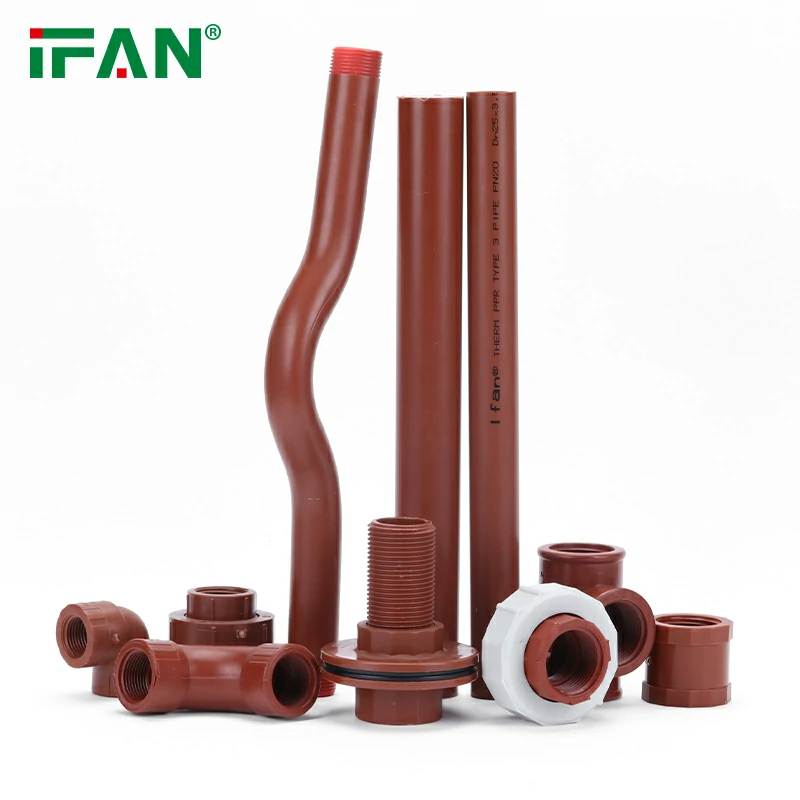
Many types are available. These include elbows, tees, and reducers. Couplings connect straight pipe sections. Flanges allow connection to other equipment. Caps seal the end of a pipe.
Primary Applications in Construction
They are used in industrial plumbing. They are common in chemical processing plants. They are also used in wastewater systems. They excel in corrosive environments. They are not typically for potable water.
Installation Methods: Heat Fusion
The primary method is heat fusion. This requires a special welding machine. It heats the pipe and fitting simultaneously. They are joined together under pressure. This creates a seamless, monolithic connection.
Comparison to Other Plastic Fittings
PPH has higher chemical resistance than PVC. It handles higher temperatures than PVC. It is more rigid than PPR material. It is often chosen for specific industrial uses.
Temperature and Pressure Ratings
PPH pipe fittings handle temperatures up to 90°C. They typically operate at pressures up to 10 bar. Their performance decreases at higher temperatures. Always consult manufacturer specifications.
Chemical Resistance Capabilities
They resist a wide range of chemicals. This includes strong acids and bases. They are ideal for chemical drainage systems. They are also used in pharmaceutical plants. They won’t corrode or degrade.
Standards and Certifications
Quality PPH pipe fittings meet international standards. These include ISO 15874 and DIN 8077/8078. Look for certifications on the products. This ensures reliability and performance.
Maintenance and Longevity
They require very little maintenance. They are not susceptible to scaling. They have a smooth inner surface. This prevents buildup of deposits. They can last for decades.
Conclusion: A Niche but Vital Component
PPH pipe fittings are specialized components. They are crucial for corrosive applications. They offer durability and chemical resistance. They are a reliable choice for industry. They demonstrate advanced material science in construction.