
A faulty check valve can cause system failure. It is important to identify problems early. Several simple tests can be performed. These tests require minimal tools. They can diagnose a bad PVC Check Valve effectively.
Visual Inspection for External Damage
Begin with a thorough visual check. Look for visible cracks on the valve body. Check for signs of impact or stress. Look for discoloration from sun exposure. A damaged body often means a faulty valve.
The Manual Shake Test for Debris
Disconnect the valve from the system. Shake it next to your ear. Listen for rattling sounds inside. Loose debris indicates internal damage. A clean valve should be silent.
Testing for Forward Flow Restriction
Connect the valve correctly to a water source. Turn on the water supply slowly. Observe the flow rate through the valve. A good PVC Check Valve should allow full flow. A restricted flow suggests an obstruction.
Testing for Reverse Flow Leakage
This is the most critical test. Direct water flow through the valve. Then, try to reverse the flow direction. Water should not pass backwards. Any reverse flow means the valve is failing.
The Diaphragm or Disc Movement Check
Some valves have a transparent section. You can see the internal mechanism. Watch the disc or diaphragm as flow starts. It should open fully and smoothly. It should snap shut immediately when flow stops.
Listening for Abnormal Noises
Operate the valve normally. Listen for unusual sounds. Chattering or hammering noises are bad. A constant hissing sound suggests a leak. A healthy PVC Check Valve is relatively quiet.
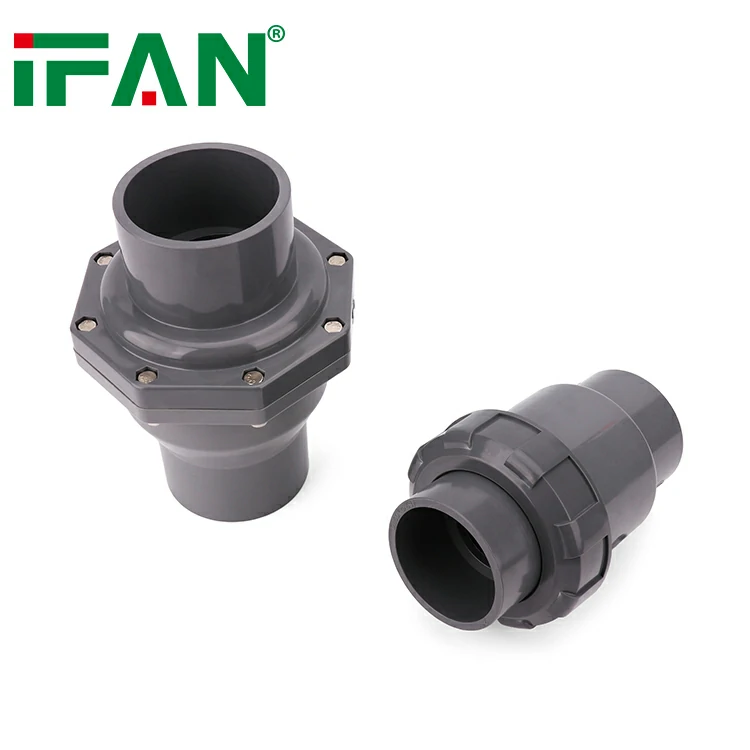
Checking for External Leaks
Pressurize the system with the valve installed. Inspect all around the valve body. Look for any water seepage or dripping. Check the connection points as well. An external leak compromises the entire system.
Symptoms in the System Performance
The system itself can show signs. A pump that cycles too frequently is a clue. A water hammer effect is another symptom. Loss of prime in a pump system is common. These often point to a faulty PVC Check Valve.
Disassembly and Internal Inspection
If possible, disassemble the valve. Check the internal seal and seat. Look for wear, tears, or mineral buildup. Inspect the spring for weakness or breakage. This confirms the suspected internal failure.
Comparing to a Known Good Valve
If you have a spare, use it for comparison. Install the new valve in the system. See if the problem disappears. This is a definitive test. It confirms the old PVC Check Valve was the issue.
Pressure Testing with a Gauge
For a precise test, use pressure gauges. Install one gauge upstream of the valve. Install another downstream. With reverse flow attempted, the pressures should differ significantly. Equal pressures indicate leakage.
Conclusion: A Methodical Approach
Testing a PVC Check Valve is straightforward. Start with simple visual and manual checks. Proceed to flow and leakage tests. System symptoms provide strong clues. Replacing a faulty valve restores efficiency and prevents damage. Regular testing is key for maintenance.