
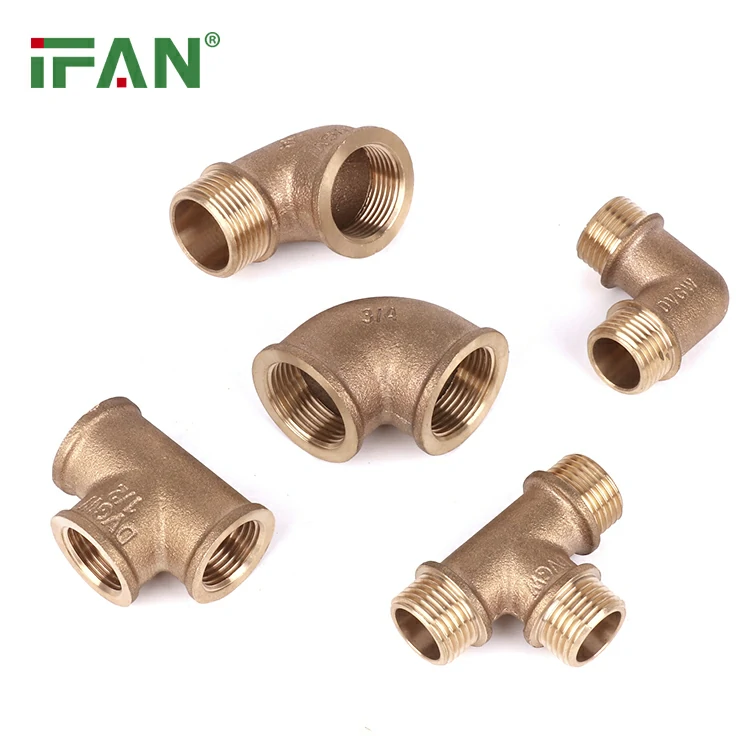
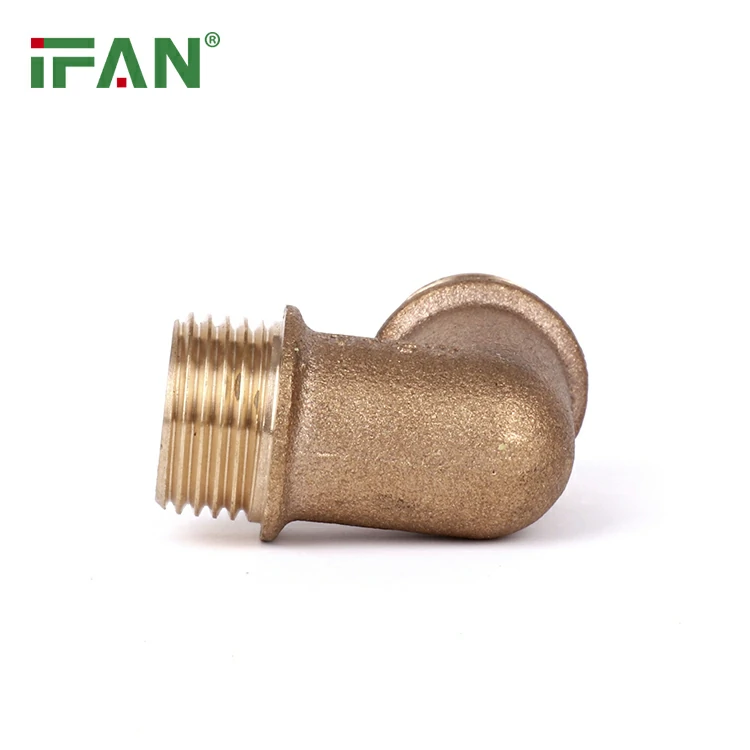
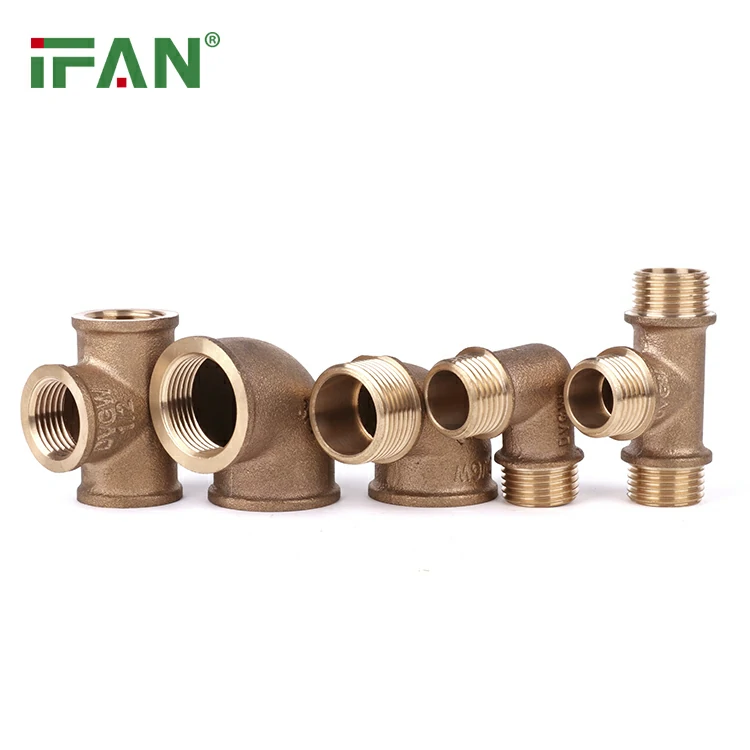
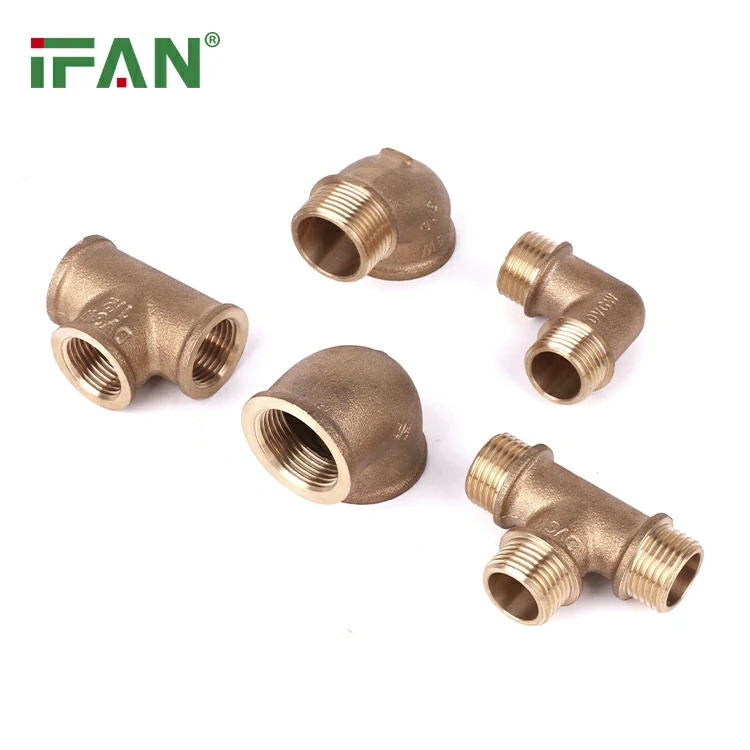
Description
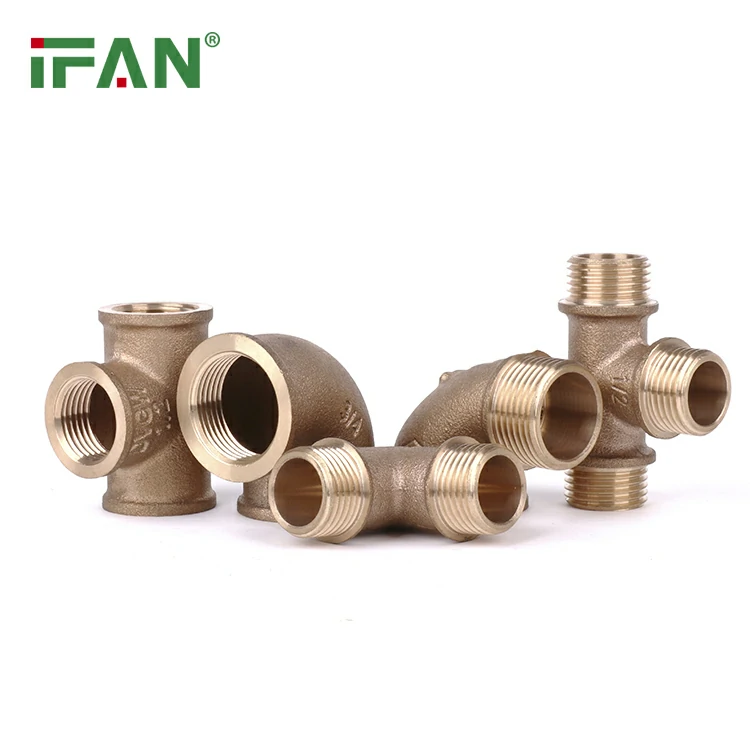
This is a fundamental materials question. Both are copper alloys. Their composition defines their properties. Bronze fittings and brass fittings serve different roles. Choosing correctly ensures system longevity.
Core Composition: The Basic Elements
Brass is primarily copper and zinc. The zinc content can vary significantly. Bronze is primarily copper and tin. Other elements like aluminum are sometimes added. This difference in composition is key.
Color and Appearance Differences
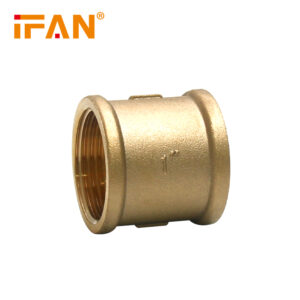
Brass has a bright, gold-like appearance. It is often used for decorative purposes. Bronze fittings have a reddish-brown or dull gold hue. Their color is generally darker than brass. Visual identification is often possible.
Corrosion Resistance: A Key Distinction
Bronze fittings offer superior corrosion resistance. They excel in seawater and marine environments. This is why they are used for ship propellers. Brass is more susceptible to dezincification. This is a selective leaching process.
Strength and Durability Comparison
Bronze fittings are generally stronger and harder. They have better wear resistance than brass. They are suitable for high-stress applications. Brass is more malleable and ductile. It is easier to machine and form.
Machinability and Formability
Brass is known for its excellent machinability. It is often called the “free-machining” metal. This makes it cost-effective for complex bronze fittings. Bronze can be more challenging to machine. It is tougher on cutting tools.
Applications in Plumbing Systems
Brass is ubiquitous in household plumbing. It is used for valves, faucets, and connectors. Bronze fittings are common in industrial settings. They are used for pumps, seawater lines, and heavy-duty valves.
Performance in Marine Environments
This is a critical differentiator. Brass should not be used in saltwater. It will corrode quickly due to dezincification. Bronze fittings, especially aluminum bronze, are ideal. They resist saltwater corrosion effectively.
Cost and Price Considerations
Brass is generally less expensive than bronze. The cost of zinc is lower than tin. This makes brass a cost-effective choice for many projects. Bronze fittings command a higher price. Their performance justifies the cost in specific uses.
Thermal and Electrical Conductivity
Both metals are good conductors. Brass has higher electrical conductivity than most bronze fittings. This makes brass suitable for electrical connectors. Both have good thermal conductivity for heat exchangers.
Historical and Traditional Uses
Bronze has a very long history. It defined the Bronze Age. It was used for weapons, tools, and art. Brass became common later. Its history is also rich but more recent.
Identifying the Alloys: Markings and Codes
Fittings are often marked for identification. Look for stamps like “CZ” for brass. Bronze fitting may be marked with “C” codes. Understanding these codes is essential. It ensures you select the correct material.
Conclusion: Choosing for the Application
The choice depends on the environment. Use brass for standard water and low-corrosion sites. Choose bronze fittings for seawater and high-strength needs. Understanding their differences prevents costly failures. Always match the fitting to the service conditions.
相关产品
 01 Series
Brass Male Tee
- 01 Series
Brass Female Elbow
- 01 Series
Brass Plug
- 02 Series
Brass Fitting Socket



HAVE ANY QUERIES? SEND TO CONTACTOANTSMACHINE.COM
ONTACT US