
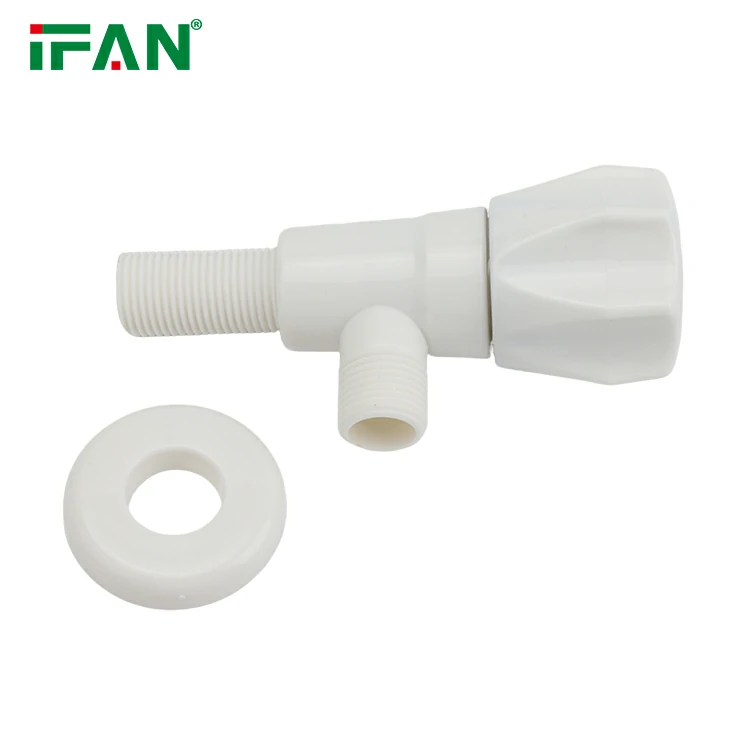
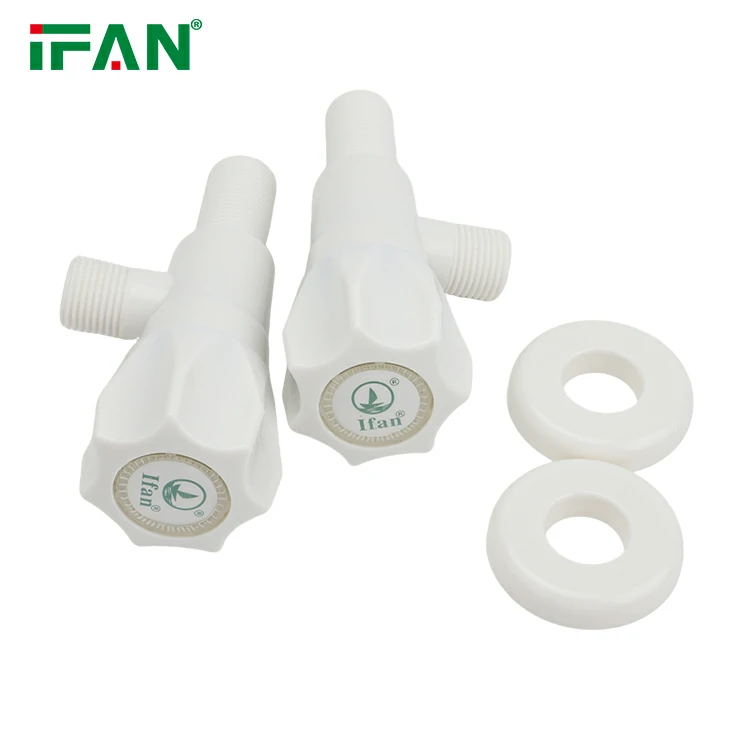
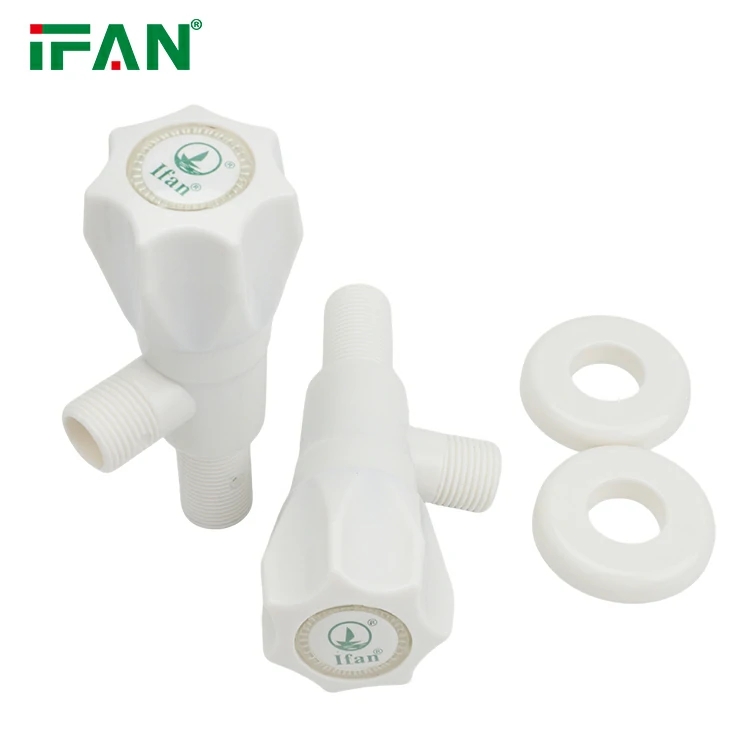
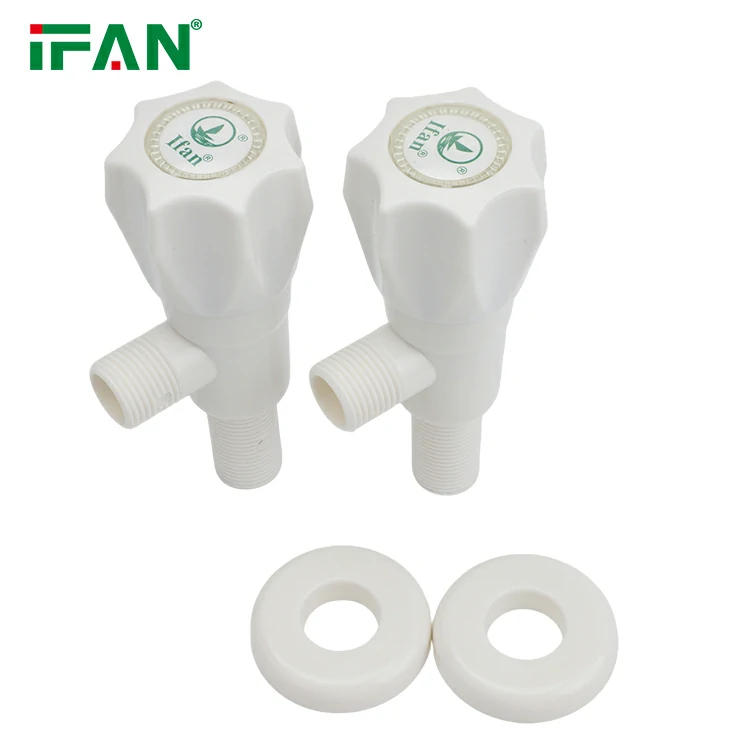
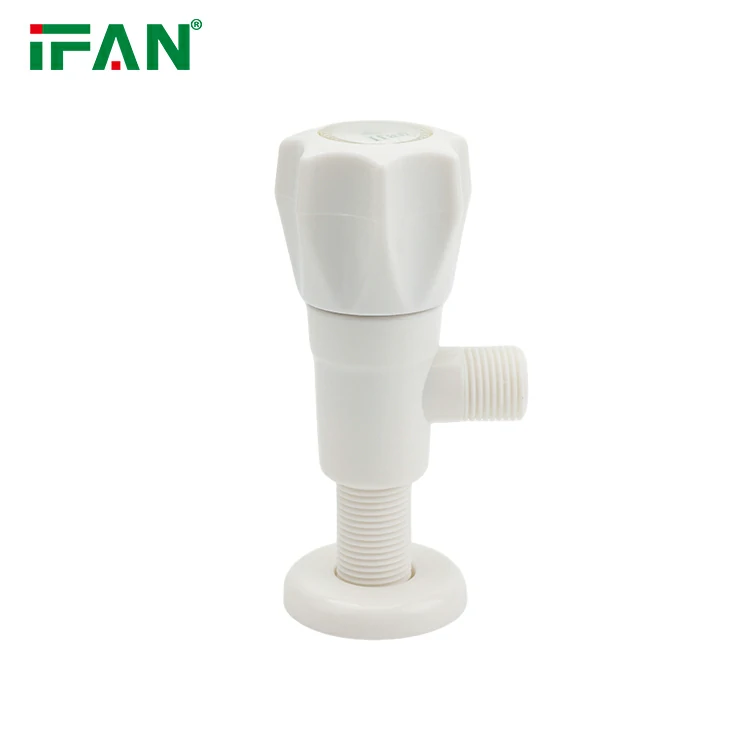
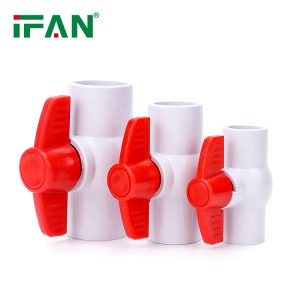
IFAN Hot Sale PVC Angle Valves
Category : Click Download
Whatsapp : +86 19884503412
Wechat : 19884503412
Description
Understanding the Material Risk
PVC is a strong but brittle plastic. It does not have metal’s ductility. It cannot bend under stress. It will crack if over-tightened. This is the core challenge. The correct tightness balances seal integrity with material safety. Understanding this risk is crucial.
Hand-Tightening as a Baseline
Start by threading the valve by hand. Turn it clockwise until it stops. This is the “hand-tight” position. It aligns the threads perfectly. It also prevents cross-threading. Hand-tightening is never enough for a seal. But it is the essential first step for safety.
The Role of Teflon Tape
Teflon tape is not a glue. It is a lubricant and a gap-filler. It fills microscopic voids between threads. This creates a watertight seal. Its lubricating quality is critical. It allows you to achieve a proper seal with less torque. This directly prevents over-tightening.
The Wrench Turn Rule
After hand-tight, use a wrench. A common rule is one to two full turns. Use moderate pressure on the wrench. You should feel steady resistance. Stop immediately if resistance spikes. This indicates the threads have fully seated. Further turning risks damage.
Avoiding Overtightening Dangers
Overtightening has clear consequences. It can cause hairline cracks in the valve body. These cracks may not be visible initially. They can lead to sudden failure later. It can also distort the internal seats. This causes leaks even when the valve is closed.
Using the Correct Tools
Never use large pipe wrenches. They provide too much leverage. Use a small adjustable wrench instead. A wrench that is 6 to 8 inches long is ideal. This limits the amount of force you can apply. Proper tools are a key safety measure.
Checking for Leaks After Pressurization
Tighten the valve to the best of your ability. Then, turn the water supply on. Check the connection for any dripping. A slight weep might need a quarter-turn more. A steady drip means it was not tight enough. A good seal will be completely dry.
The Feel of a Proper Seal
Experience teaches the correct “feel.” The turning motion should be smooth. It requires consistent, moderate effort. A sudden, hard stop is a warning sign. So is a feeling of gritty, grinding resistance. The ideal is a firm, progressive tightness.
Threaded vs. Solvent Weld Connections
This guide is for threaded PVC Angle Valves. Solvent weld connections are different. They use chemical cement, not torque. For glued joints, you push and hold the pipe. A quarter-turn spreads the cement. Tightness is not a factor in that process.
Dealing with a Leaking Connection
If a properly tightened valve leaks, do not tighten more. The problem is likely the tape. Turn off the water and disassemble the joint. Clean the threads completely. Reapply fresh Teflon tape properly. Then reassemble and tighten again.
Comparing to Metal Valve Installation
Metal valves can often tolerate more torque. Brass threads are more forgiving. They can be tightened more aggressively. PVC Angle Valves require a gentler approach. The installation philosophy is different. Finesse is more important than pure force.
The Final Recommendation
So, how tight should they be? Tighten until the joint is sealed and secure. It should be just beyond hand-tight. Use a small wrench for the final turns. The goal is a leak-free connection without stress. Your PVC Angle Valves will then perform reliably for years.
相关产品
 PVC Valve
IFAN Plastic PVC End Check Valves
- PVC Pipe & Fittings
IFAN Vertical PVC Foot Valve
- PVC Pipe & Fittings
IFAN PVC Butterfly Ball Valve
- PVC Pipe & Fittings
IFAN CPVC Ball Valve



HAVE ANY QUERIES? SEND TO CONTACTOANTSMACHINE.COM
ONTACT US