
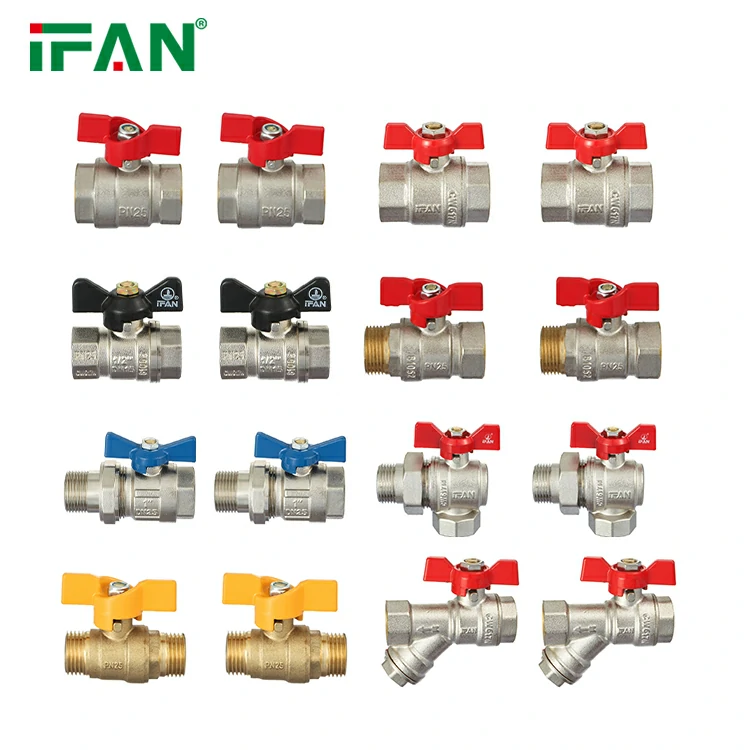
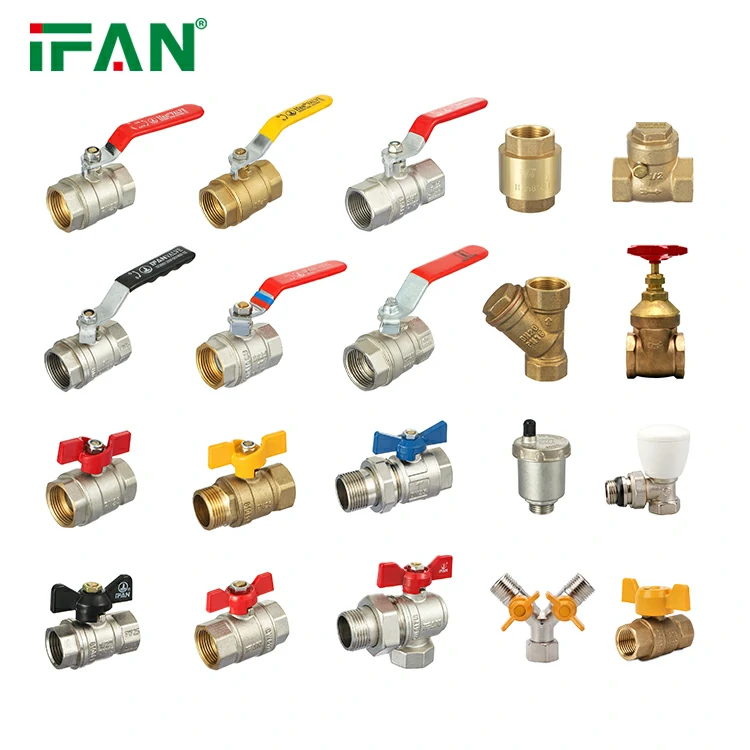
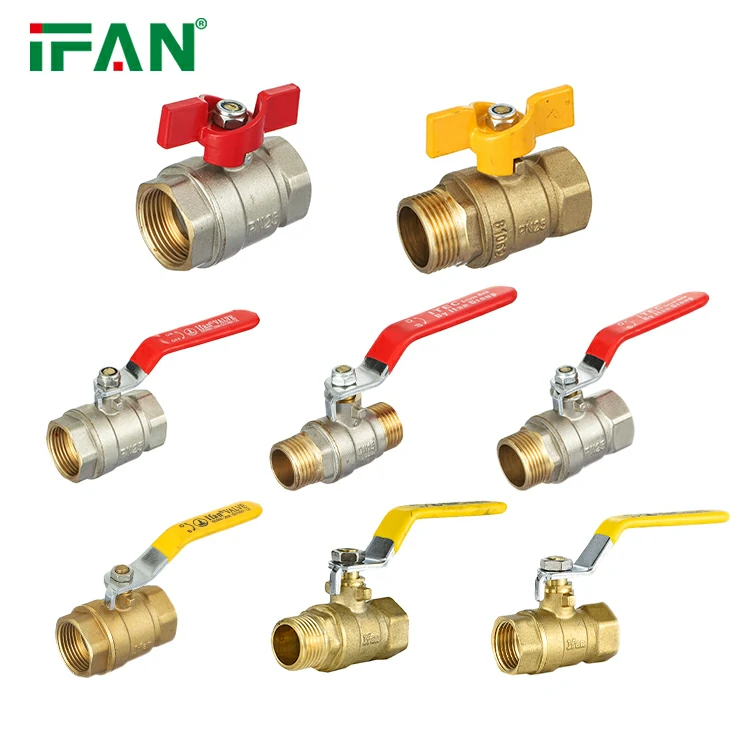
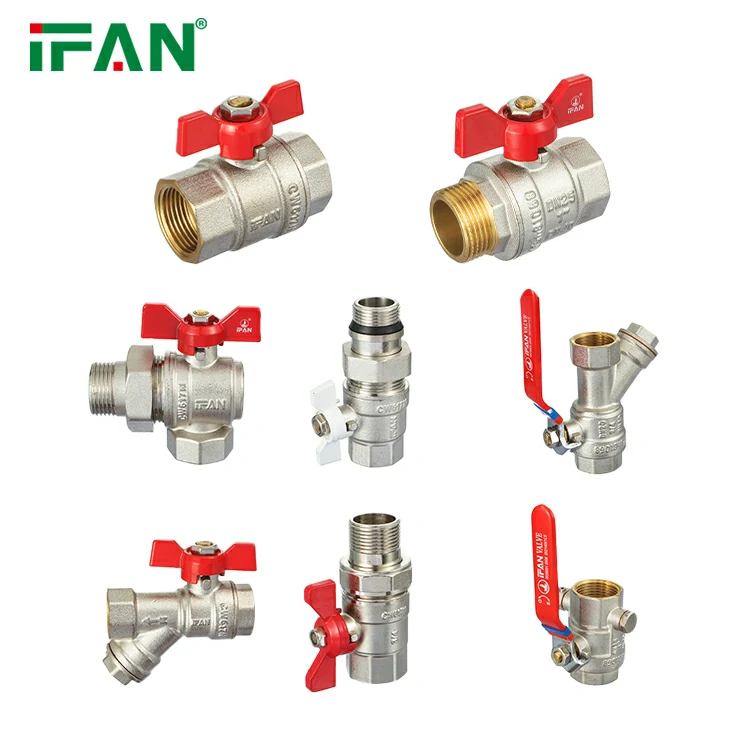
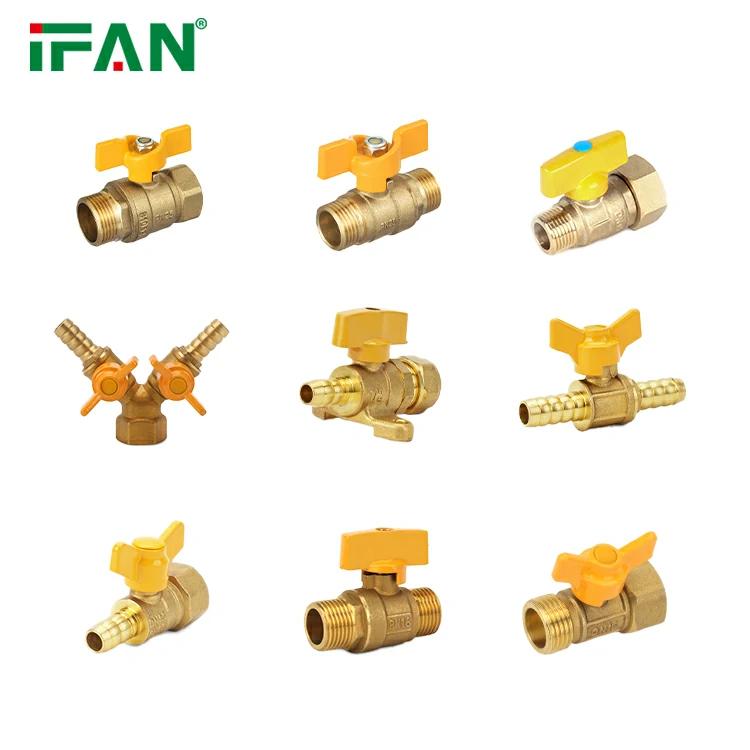
IFAN Popular Brass Ball Valves
Category : Click Download
Whatsapp : +86 19884503412
Wechat : 19884503412
Description
Understanding the Core Question
Using valves with gas is critical. Safety is the absolute priority. The material must be perfectly suitable. Brass is a common valve material. But is it safe for gas? The answer requires careful examination. Not all brass valves are equal.
Brass as a Material for Gas
Brass has favorable properties. It does not create sparks. This is crucial for gas safety. It also resists corrosion well. Natural gas and propane are not highly corrosive. Brass can withstand these fuels effectively. Its durability is a key advantage.
The Importance of Valve Design
Design matters more than material. Valves for gas have specific features. A full port design is often used. This minimizes flow restriction. The stem packing must be gas-tight. Internal seals are made for gas service. A standard water valve may leak gas.
Approvals and Certifications
Look for official markings. Approved valves have certification stamps. In the US, look for the “UL” listing. Also check for “AGA” (American Gas Association) approval. In Canada, look for a “CSA” mark. These prove the valve passed safety tests. Never use an unmarked valve.
Specific Types for Gas Service
Gas ball valves are often identified. They may be called “gas cocks” or “gas valves.” Some have a bright yellow handle. This color coding signals their purpose. Their internal components are gas-rated. This includes specific sealant and packing materials.
Pressure Ratings for Gas Systems
Gas systems operate at low pressure. Residential natural gas is under 0.5 psi. Propane systems may be slightly higher. Brass Ball Valves for gas have appropriate ratings. They are typically rated for 125 psi WOG (Water, Oil, Gas). This provides a large safety margin.
Comparison to Water Valve Standards
Water valves may look identical. But they are not tested for gas. Their stem packing might be different. It could degrade with gas exposure. A tiny gas leak is very dangerous. Using a water valve is a serious code violation. It also creates a major safety hazard.
Proper Installation Practices
Installation must follow strict rules. Use approved pipe dope or sealant. Teflon tape must be yellow gas-grade. Ensure the valve is accessible after installation. The handle must turn freely. Always test for leaks with soap solution. Never use a flame to check.
Common Residential Applications
These valves are used in many places. They are found at the gas meter. They serve as an emergency shut-off. They are used for gas fireplaces. They control supply to stoves and dryers. They are also used for outdoor grills. Each is a critical safety point.
Professional Plumber Recommendations
Professionals always use certified valves. They never substitute a water valve. They follow local codes precisely. They perform thorough leak testing. They advise homeowners on valve location. They ensure everyone knows the shut-off procedure. Safety is their primary concern.
Risks of Using the Wrong Valve
The risks are extremely high. An improper valve could leak slowly. Gas could accumulate in a confined space. This creates an explosion hazard. It also risks carbon monoxide poisoning. Fires and loss of life are possible outcomes. The correct valve is cheap insurance.
Final Safety Verdict
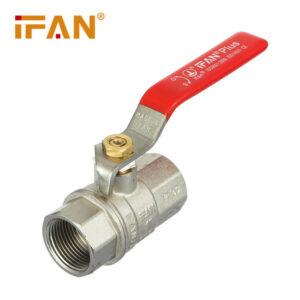
Yes, specifically designed Brass Ball Valves can be used. They must be certified for gas service. They must carry the proper approvals. Installation must follow all codes. Regular inspection for leaks is wise. When chosen and installed correctly, they are a safe, reliable component for gas piping systems.
相关产品
 Brass Ball Valve
IFAN Custom Brass Ball Valves
- Brass Ball Valve
IFAN ISO15875 PEX Pipe Ball Valve
- Brass Ball Valve
Brass Ball Valves
- Brass Ball Valve
Female Ball Valve


HAVE ANY QUERIES? SEND TO CONTACTOANTSMACHINE.COM
ONTACT US