
Description
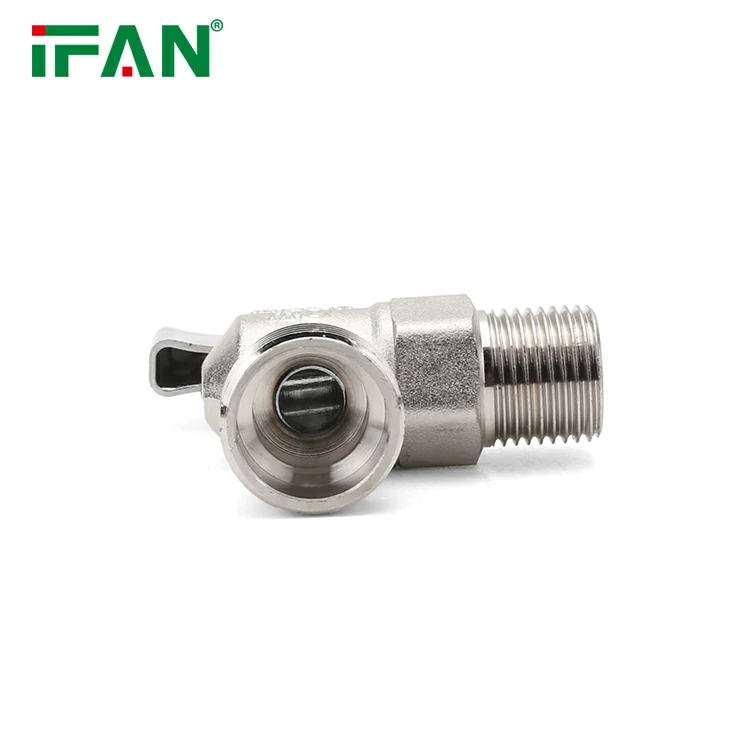
Introduction to Angle Valves
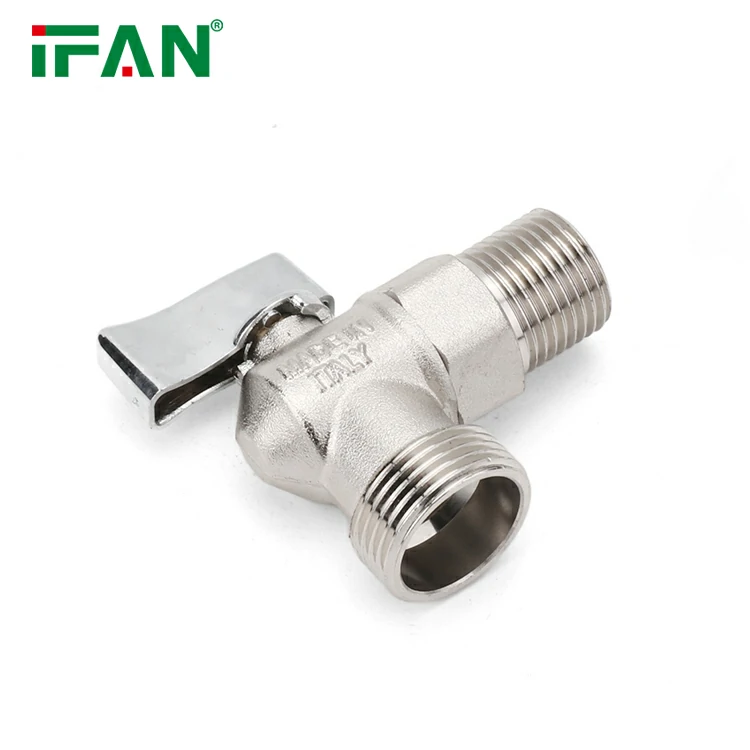
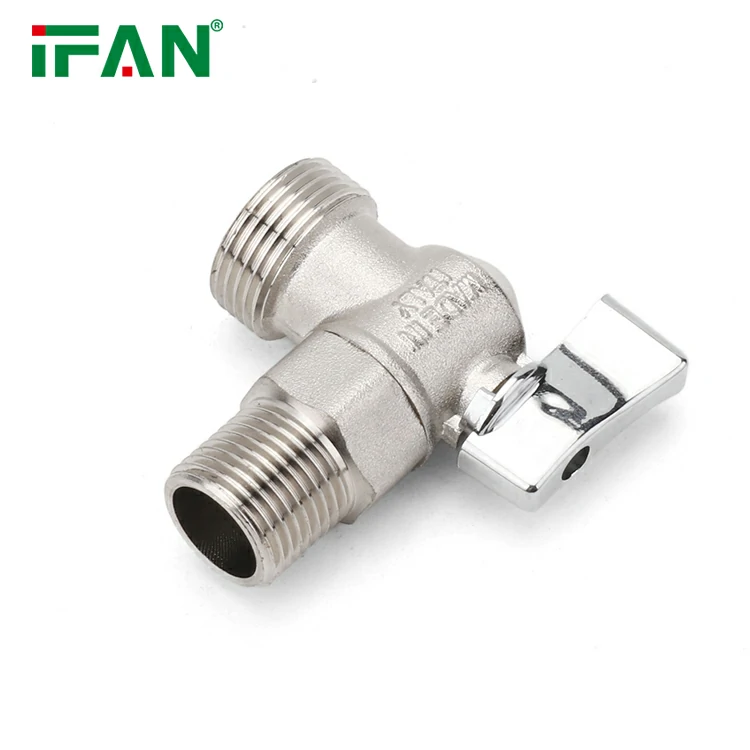
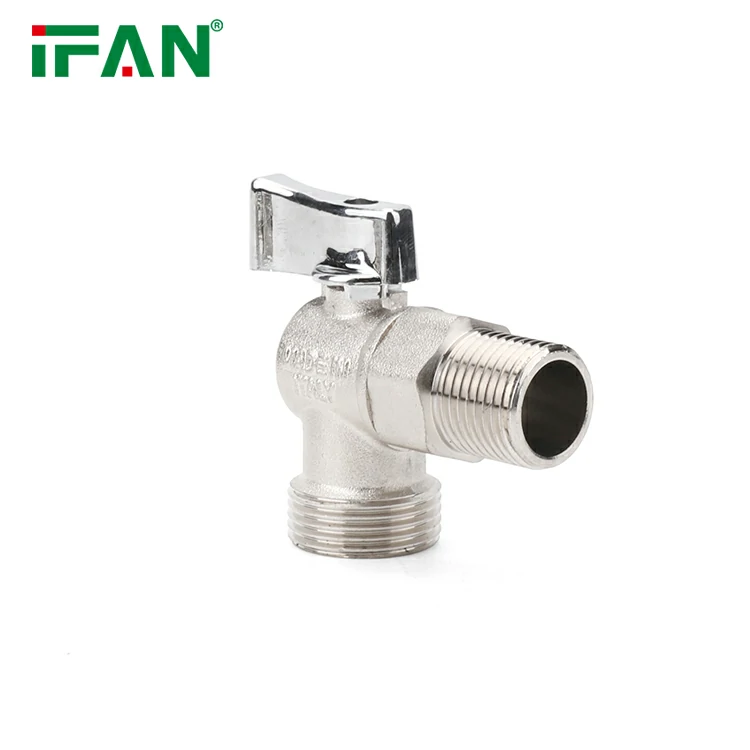
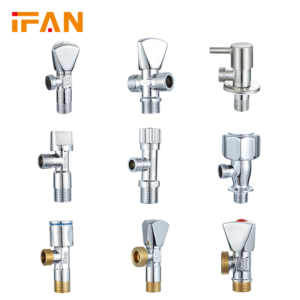
Angle valves are essential plumbing fixtures. They control water supply to appliances. Their design features a 90-degree bend. This allows water to turn a corner efficiently. They are also called stop valves or shutoff valves. Their primary role is providing local water control.
Installation Beneath Sinks
They are almost always under sinks. Both kitchen and bathroom sinks have them. They connect to the hot and cold water lines. This allows easy fixture maintenance. You can fix a faucet without shutting off main water. They are usually attached to the wall.
Connection Points for Toilets
Every toilet should have one. It is located on the wall behind the toilet. It connects to the toilet’s fill valve. This valve lets you stop water to the toilet. You can then repair or replace the toilet tank parts. It is crucial for preventing overflows.
Service for Washing Machines
Homes have them for washing machines. They are found behind the appliance. Both hot and cold lines have separate valves. Turning them off allows hose replacement. It also permits moving the machine safely. This prevents flooding during disconnection.
Supply for Dishwashers
Dishwashers typically connect to one. It is usually under the kitchen sink. It ties into the hot water line. This allows isolation of the dishwasher. You can service it without affecting other fixtures. It is a key safety and maintenance feature.
Use with Water Heaters
Many water heaters have angle valves. They are on the cold water inlet line. Some models also have one on the hot outlet. These allow for heater isolation and draining. This is necessary for maintenance and replacement. They are required by many plumbing codes.
Installation for Icemakers and Refrigerators
Refrigerators with water dispensers need them. They are often under the kitchen sink. A small line runs from the valve to the fridge. This provides controlled water supply. It allows for filter changes or repairs. It stops water without affecting the sink.
Locations in Bathroom Fixtures
They serve bathroom sinks and bidets. They are also used with some bathtub faucets. The valves are hidden in access panels sometimes. They enable individual fixture repair. This is more convenient than using the main shutoff. It minimizes household disruption.
Point-of-Use for Water Filtration
Under-sink water filters use them. The valve installs on the cold water line. It feeds water into the filtration system. A separate valve may control the filtered water outlet. This setup allows for filter changes without a mess. It is a clean and organized solution.
Utility Sink and Wet Bar Connections
Homes with utility sinks have them. Basement laundry sinks are a common example. Wet bars in recreation rooms also use them. They provide local control for these secondary fixtures. This is practical for cleaning or repair work. It follows the same principle as main sinks.
Importance in Emergency Situations
Their placement is strategic. They provide quick local water shutoff. A bursting supply line under a sink is an example. The angle valve can stop the flow instantly. This limits water damage significantly. Knowing their locations is vital for all residents.
Conclusion and Best Practices
In summary, angle valves are installed at fixture points. They are behind toilets and under sinks. They serve appliances like washing machines. Their purpose is localized water control. Always ensure they are accessible and clearly labeled. Proper installation and knowledge ensure a safe, maintainable home plumbing system.
相关产品
 Brass Angle Valve
IFAN Supply Angle Valves
- Brass Angle Valve
IFAN Chrome Brass Angle Valve
- Brass Angle Valve
IFAN Brass Angle Valves
- Brass Angle Valve
Brass Angle Valve

HAVE ANY QUERIES? SEND TO CONTACTOANTSMACHINE.COM
ONTACT US