Understanding Standardization in UPVC Systems
UPVC piping systems follow established standards. These standards ensure compatibility globally. Key standards include ISO, BS, and ASTM. They define precise dimensions for pipes and fittings. This allows for reliable system design. Manufacturers adhere to these specifications closely.
The Nominal Diameter (DN) System
Size is indicated by Nominal Diameter (DN). This is a dimensionless number. It approximates the internal bore in millimeters. Common sizes are DN 32, DN 40, DN 50. Larger sizes include DN 110 and DN 160. DN does not show exact measurements. It is a convenient classification tool.
Common Small Bore Sizes for Internal Waste
Internal plumbing uses smaller diameters. DN 32 (approx. 1¼ inches) is common. It serves wash basins and sinks. DN 40 (approx. 1½ inches) is also frequent. It is used for kitchen sinks and showers. DN 50 (approx. 2 inches) serves floor drains. These sizes handle typical residential waste flow.
Standard Soil and Vent Pipe Sizes
Soil pipes carry waste from toilets. The standard size is DN 110 (approx. 4 inches). This is a universal dimension for soil stacks. Vent pipes are often the same diameter. This size prevents blockage and allows air flow. Most bathroom groups connect to this line.
Large Diameter Fittings for Main Drains
Underground mains require larger fittings. DN 160 (approx. 6 inches) is a standard size. DN 200 (approx. 8 inches) is used for public sewers. These handle high volumes of wastewater. They are common in civil engineering projects. Strength and diameter increase together.
Wall Thickness and Pressure Classes
UPVC fittings have different wall thicknesses. This is denoted by a pressure rating. Common classes are Class 4, Class 6, and Class 10. The number indicates pressure in bars. A Class 6 fitting has a thicker wall than Class 4. Thicker walls handle higher internal pressure.
Standard Lengths of UPVC Pipe
Pipes come in standard lengths. These are typically 3 meters or 6 meters. Some markets stock 2-meter or 4-meter lengths. Longer lengths reduce the number of joints. This is advantageous for long straight runs. Fittings are not sold in long lengths.
Dimensions of Common Fitting Types
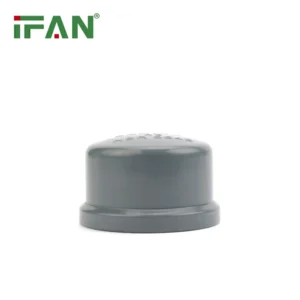
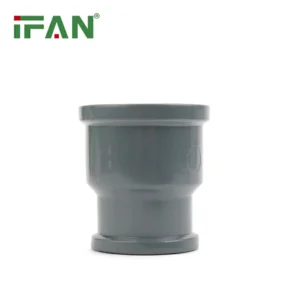
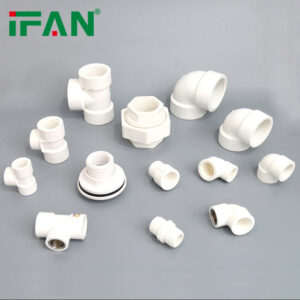
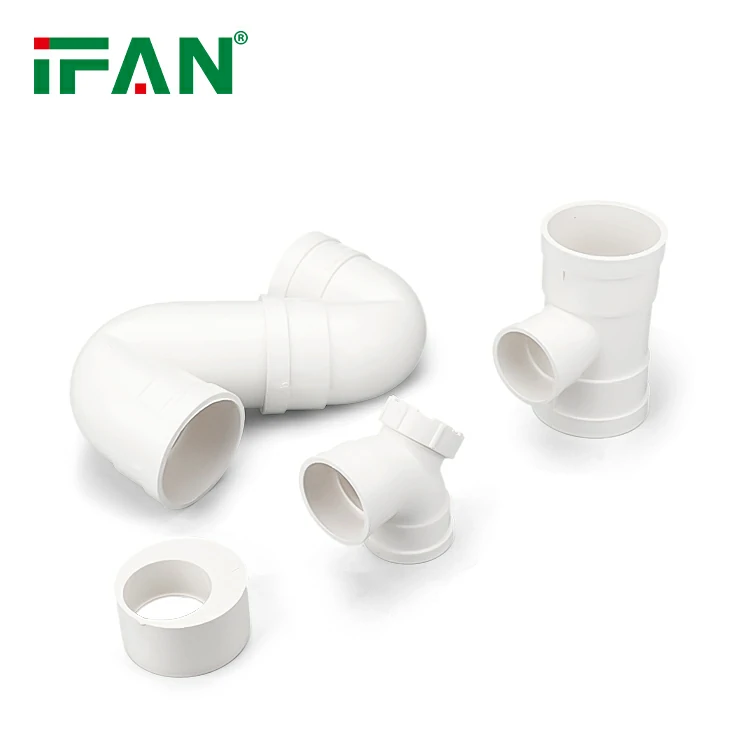
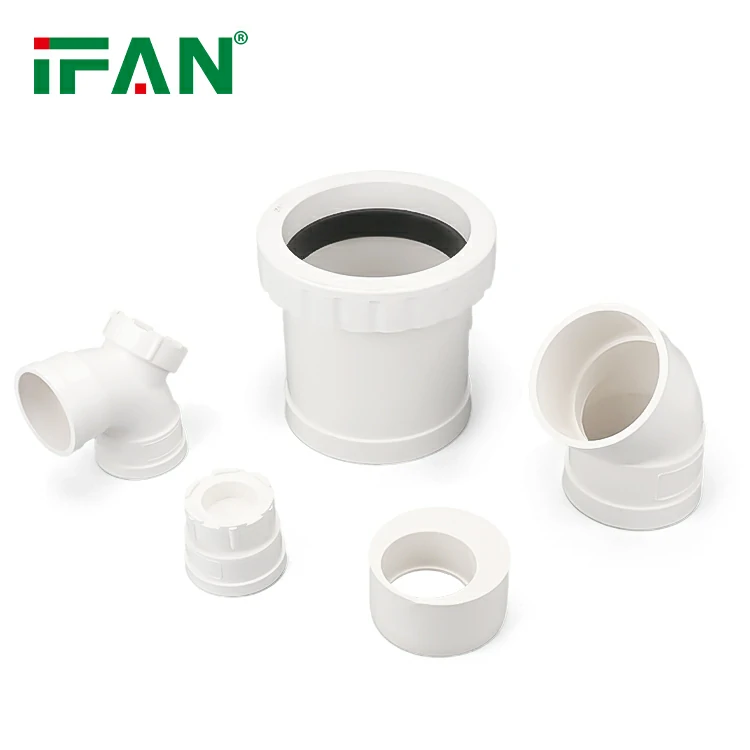
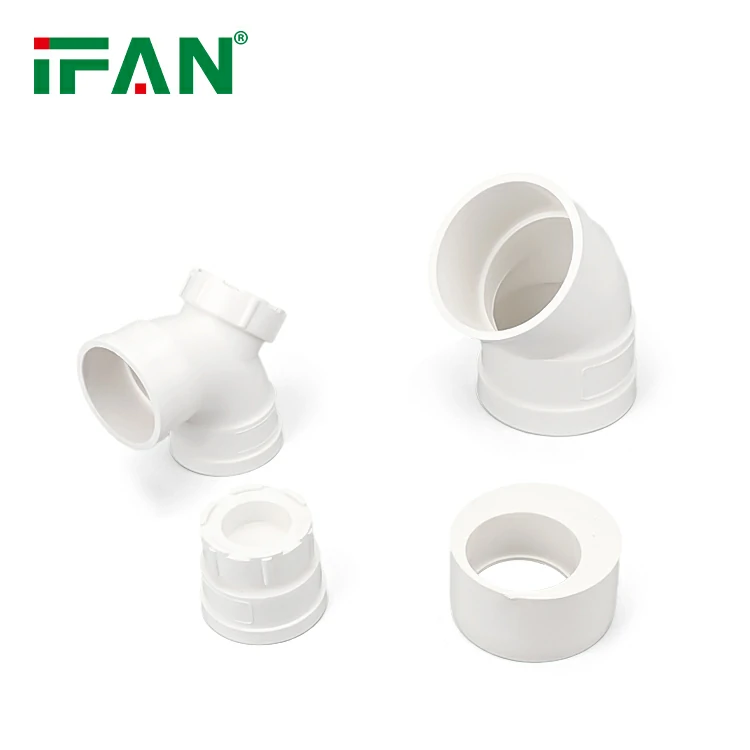
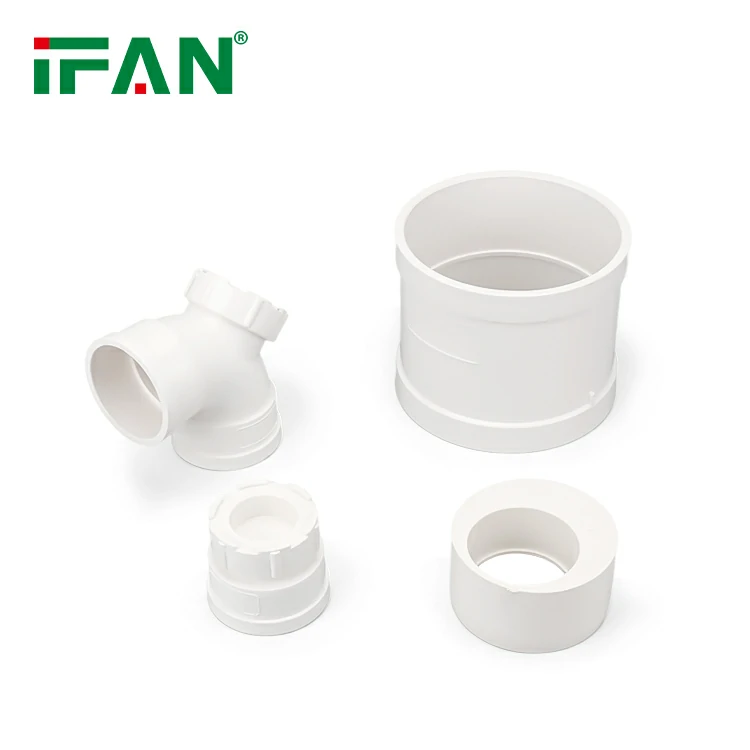
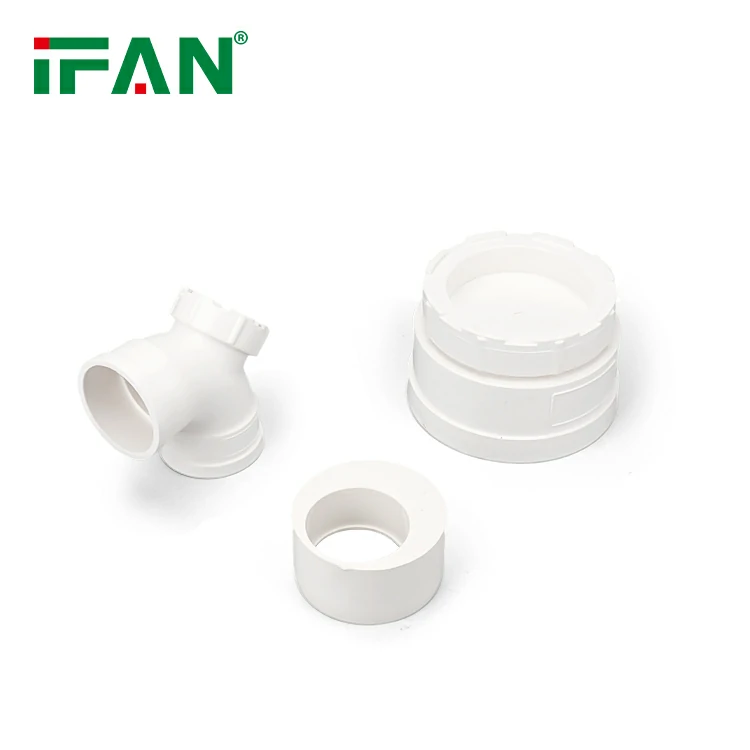
Each fitting type has set dimensions. A 110mm 87.5º bend has a specific radius. A 110mm coupling has a defined length. These are found in manufacturer catalogs. They ensure proper alignment in the system. Spigot and socket depths are standardized.
Influence of Regional Standards
Standards vary slightly by region. European (EN) and British (BS) standards are common. North America uses different nominal sizes. For example, 1.5-inch pipe is common there. Always specify the relevant standard for your project. This guarantees part interoperability.
Importance of Tolerances in Manufacturing
All dimensions have permissible tolerances. Outer diameter tolerance may be ±0.2mm. Socket depth tolerance is also specified. Tight tolerances ensure reliable solvent welds. Reputable manufacturers control this strictly. Consistent quality depends on it.
Selecting the Correct Size for the Job
Choose size based on fixture units. A toilet requires a larger drain than a sink. Local building codes dictate minimum sizes. Always follow these regulatory requirements. Oversizing is safer than undersizing. Proper sizing prevents blockages and backups.
The Role of Standardization in Installation
Standard sizes simplify the installer’s work. They allow for prefabrication off-site. They ensure parts from different suppliers fit. This speeds up construction significantly. Understanding standard dimensions for UPVC fittings is foundational. It is essential for efficient and compliant plumbing system installation.