
Understanding Valve Material Choices
Gas valve material is critical for safety. Different metals and plastics are used. Each material offers distinct properties. These affect performance, cost, and lifespan. Common materials include brass, steel, and plastic. The application dictates the best choice.
Brass vs. Steel: Corrosion Resistance
Brass excels in corrosion resistance. It does not rust like carbon steel. This is vital for long-term reliability. Steel valves often need protective coatings. Brass naturally resists many corrosive elements. This makes brass gas valve units ideal for moist environments.
Brass vs. Plastic: Durability and Strength
Plastic valves are lightweight and cheap. However, they lack mechanical strength. Brass is significantly more durable. It can withstand physical impact better. Plastic may crack or degrade over time. A brass gas valve offers superior structural integrity.
Thermal Conductivity and Heat Tolerance
Brass has good thermal conductivity. It dissipates heat effectively. This helps in high-temperature applications. Plastics have low melting points. They can deform under heat. Steel handles high heat very well. But brass provides a balanced performance.
Weight and Installation Considerations
Brass valves are moderately heavy. They are lighter than steel valves. This makes installation somewhat easier. Plastic valves are the lightest option. However, their lightness can feel less robust. The weight of brass conveys quality and durability.
Cost Analysis: Initial and Long-Term
Plastic valves are the cheapest initially. Steel valves vary in price. Brass gas valve cost is moderate. But consider long-term value. Brass rarely fails from corrosion. This reduces replacement costs over decades. It offers excellent life-cycle value.
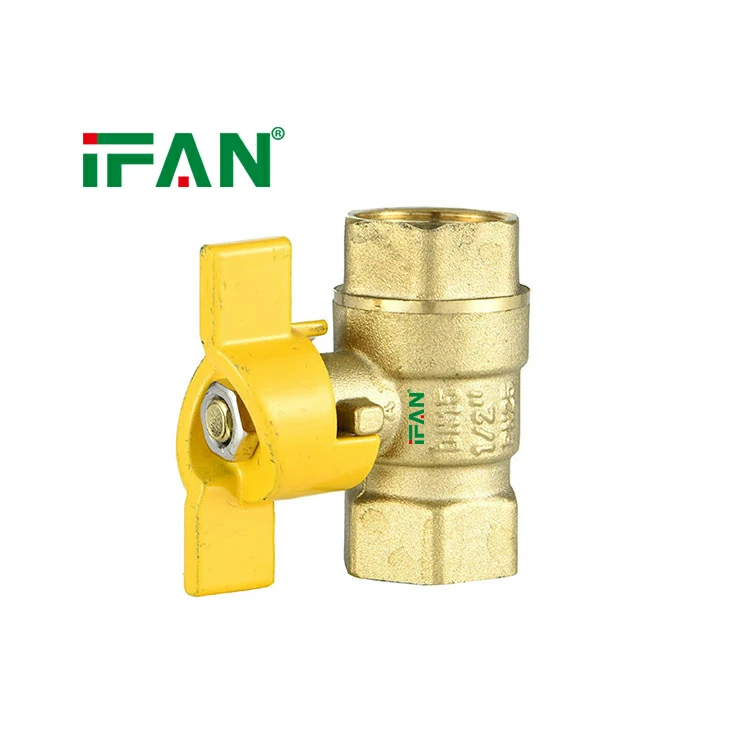
Sealing and Machining Precision
Brass is easily machined to fine tolerances. This allows for precise sealing surfaces. A tight seal is non-negotiable for gas. Plastic can warp, compromising the seal. Steel is also precise but harder to machine. Brass provides reliable, leak-free performance.
Compatibility with Different Gas Types
Natural gas and propane are common fuels. Brass is compatible with both. It resists sulfide stress cracking. Some steels can be vulnerable to this. Plastic may react with certain gas additives. A brass gas valve is a universally safe choice.
Reaction to External Environments
Outdoor valves face weather. Brass performs well outdoors. It develops a protective patina. Steel rusts without coating. Plastic becomes brittle from UV light. For exposed locations, brass is often superior.
Internal Wear and Service Life
Internal components wear over time. Brass is naturally lubricious. This reduces wear on seals and stems. Steel-on-steel can gall without lubrication. Plastic wears faster under friction. The longevity of a brass gas valve is typically very high.
Code Compliance and Industry Acceptance
Building codes approve multiple materials. Brass is universally accepted for gas. It is trusted by plumbers and inspectors. Some plastics are restricted to specific uses. Brass meets the strictest safety standards globally. It is the benchmark material.
Final Comparative Summary
In summary, brass offers a balanced profile. It beats plastic in strength and durability. It surpasses steel in corrosion resistance. Its cost is justified by its long life. For safety and reliability, a brass gas valve is often the optimal choice. It is the professional standard for a reason.