
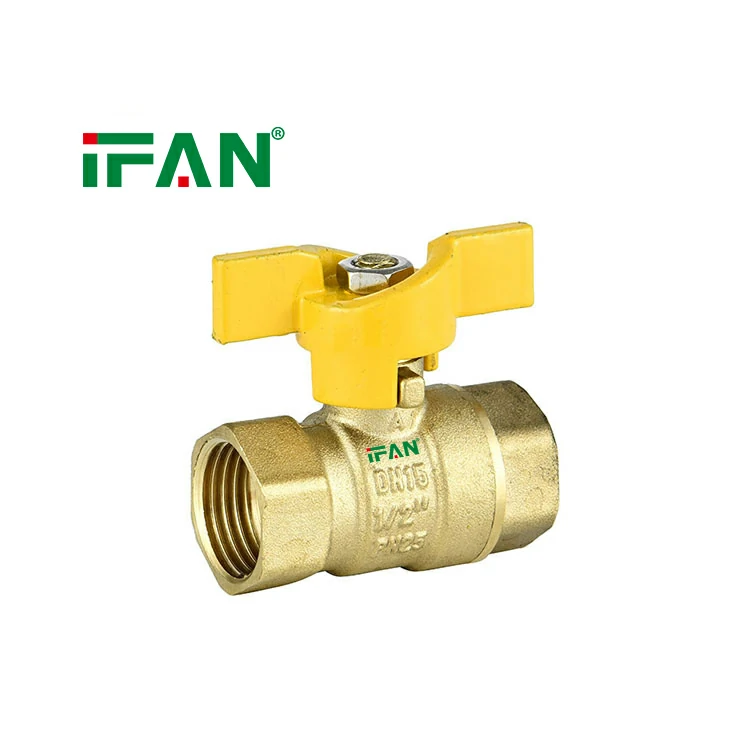
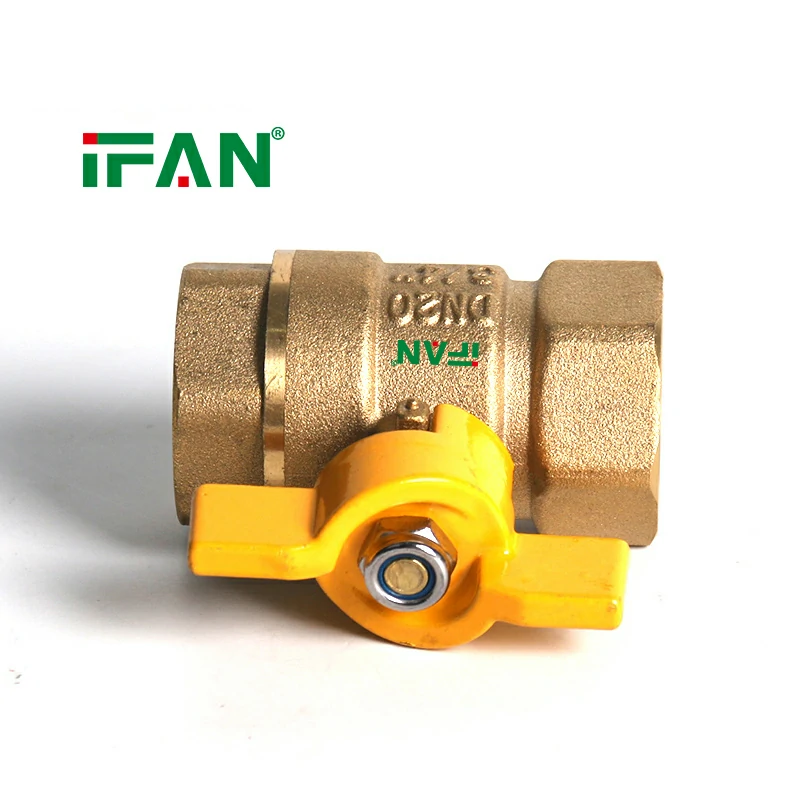
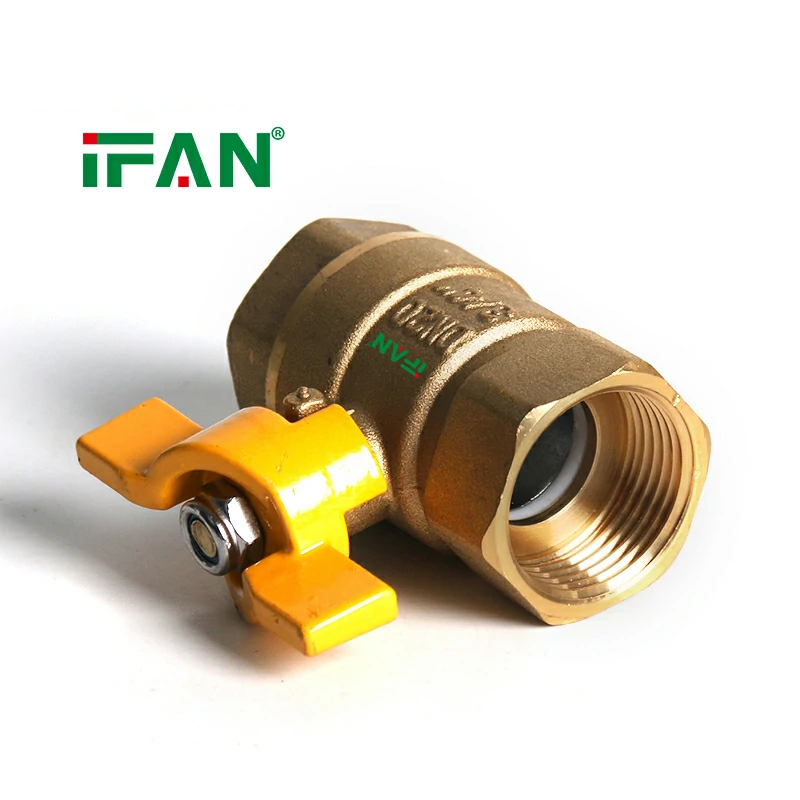
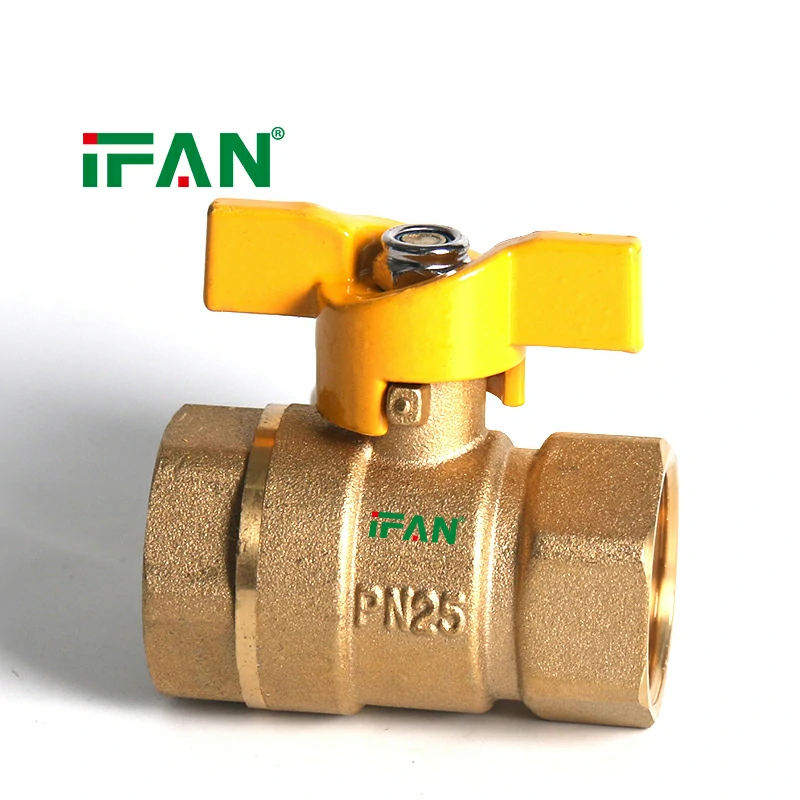
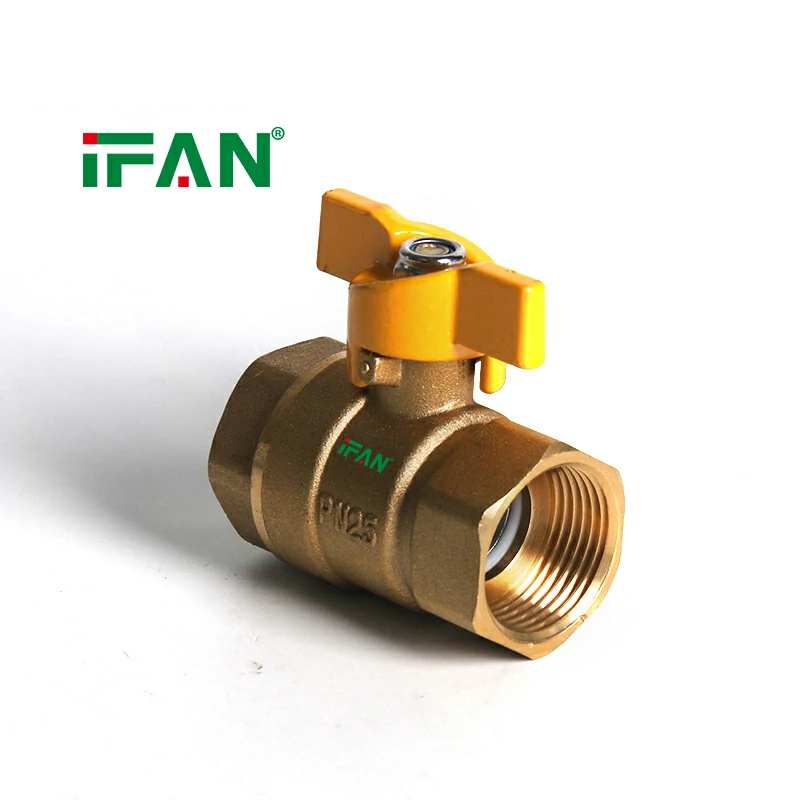
Description
Defining Expected Service Life
A brass gas valve is built for longevity. Its lifespan is measured in decades. Under normal conditions, it lasts 20-30 years. Some valves function well for 50 years. This assumes proper installation and use. Material quality is a key factor.
Influence of Operating Environment
The environment affects lifespan greatly. Indoor valves in a dry basement last longest. Outdoor valves face weather and temperature swings. Moisture and salt air accelerate corrosion. A protected valve outlives an exposed one. Installation location is very important.
Impact of Usage Frequency
Regular operation can extend life. Exercising the valve prevents seizing. Infrequent use allows internal corrosion. A valve used weekly may last longer. A never-touched valve can stick shut. Moderate, regular use is ideal.
Quality of Manufacturing and Materials
Not all brass is equal. Dezincification-resistant (DZR) brass is best. It prevents zinc leaching from the alloy. Valves with thick walls and robust stems last longer. Forged bodies are stronger than cast ones. High-quality components ensure durability.
Comparison to Other Valve Materials
Brass outperforms many materials. Steel valves rust without coating. Plastic valves degrade from UV exposure. A brass gas valve resists corrosion naturally. Its lifespan often exceeds cheaper alternatives. This justifies a higher initial cost.
Role of Proper Installation
Correct installation prevents early failure. Over-tightening can crack the valve body. Using the wrong sealant may cause leaks. Proper support prevents stress on connections. A professional installer ensures maximum lifespan. DIY errors can shorten service life.
Effect of Gas Composition and Purity
Natural gas and propane are generally clean. However, contaminants can be present. Sulfur compounds can tarnish brass over decades. Most gas is treated to be non-corrosive. A clean gas supply supports a long valve life. Filtration systems provide extra protection.
Maintenance and Inspection Practices
Routine checks are essential. Visually inspect for green corrosion annually. Ensure the handle turns smoothly. Listen for any hissing sounds indicating leaks. Address minor issues immediately. Proactive maintenance greatly extends service life.
Typical Manufacturer Warranty Periods
Warranties vary by brand and product tier. Standard residential valves often have 5-10 year warranties. Premium commercial valves may offer 20 years. The warranty covers defects in materials and workmanship. It does not cover damage from improper installation or abuse.
What the Warranty Usually Covers
Warranties typically cover the valve body. They also cover internal mechanical parts. This includes the stem, ball, and seats. Failure due to normal wear is often excluded. The warranty usually requires professional installation. Proof of purchase is mandatory.
Factors That Void the Warranty
Several actions can void coverage. Self-installation by a non-licensed person voids many warranties. Using the valve for unintended purposes voids it. Modification or repair attempts also void it. Failure due to lack of maintenance may not be covered. Always read the warranty terms.
Maximizing Lifespan and Value
Choose a high-quality DZR brass valve. Ensure a licensed professional installs it. Perform annual visual and operational checks. Replace the valve if any leak or stiffness appears. A well-chosen brass gas valve is a long-term investment. It provides decades of safe, reliable service.
相关产品
 Brass Gas Valve
IFAN Yellow Brass Gas Valves
- Brass Gas Valve
IFAN Brass Gas Valve
- Brass Gas Valve
IFAN Brass Gas Ball Valve
- Brass Gas Valve
Brass Gas Ball Valve



HAVE ANY QUERIES? SEND TO CONTACTOANTSMACHINE.COM
ONTACT US