
Understanding the Core Material
Copper is a pure elemental metal. It is not a blended plastic or composite. This fundamental nature is key. It can be melted down repeatedly. Its atomic structure remains unchanged. This makes it inherently recyclable.
Infinite Recyclability Without Degradation
Copper can be recycled forever. Its quality does not diminish. This is called closed-loop recycling. Recycled copper is as good as new. It retains all its conductive properties. This is unique among many materials.
The High Economic Value of Scrap
Scrap copper has significant worth. Its value incentivizes recycling. Metal recycling centers accept it gladly. Plumbers often collect old fittings. They sell them as scrap later. This creates a built-in recycling system.
Separation from Other Materials
Pure copper pipe fittings are easiest to recycle. Soldered joints complicate the process. Solder contains tin and lead. These must be separated during melting. Modern solder is often lead-free. This makes separation simpler.
The Industrial Recycling Process
The process is well-established. Fittings are collected and sorted. They are then shredded into small pieces. The pieces are melted in a large furnace. Impurities are skimmed off the surface. The molten copper is cast into new shapes.
Energy Savings Compared to New Production
Recycling uses much less energy. It requires about 15% of the energy for new copper. This comes from mining and refining. The carbon footprint is dramatically lower. Recycling is far more sustainable.
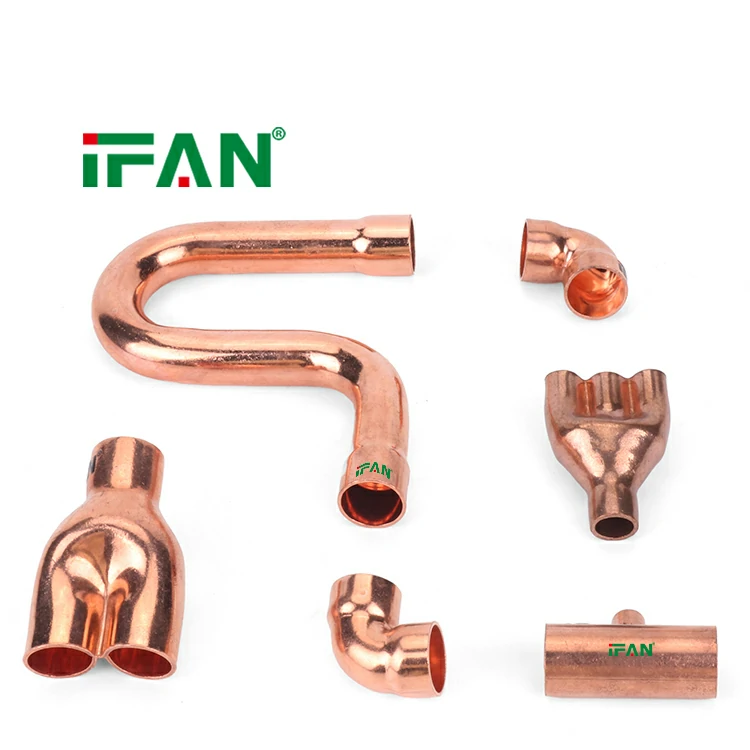
Common Sources of Recyclable Copper
Old plumbing systems are a major source. Renovation projects yield many fittings. Demolition sites provide large quantities. Manufacturing scrap is also recycled immediately. This includes off-cuts from new pipe production.
How to Prepare Fittings for Recycling
Remove any non-copper components if possible. This includes rubber gaskets or plastic valves. Clean off excess solder or debris. Separate copper from brass or steel fittings. Take them to a certified scrap metal dealer. They will handle the rest.
Global Recycling Rates and Statistics
Copper has a high recycling rate. Over 50% of Europe’s copper comes from recycling. The global rate is similarly impressive. This industry is mature and efficient. Copper pipe fittings are a standard feedstock.
Benefits for Building Certification
Using recycled copper supports green building. LEED and BREEAM awards points for it. It contributes to a circular economy. Specifying recycled content is now common. This drives demand for recycled material.
Challenges with Contaminated Fittings
Fittings with lead-based solder pose a challenge. The lead must be carefully removed. This requires specialized smelting processes. It is still economically viable. However, it adds a step to the recycling chain.
The Clear Environmental Verdict
Yes, copper pipe fittings are highly recyclable. They are a model for sustainable material use. Their intrinsic value ensures they are not wasted. Recycling them conserves natural resources. It also saves significant energy. This makes copper a responsible choice for any project.