Understanding Scale and Corrosion Formation
Scale is mineral deposit buildup. Hard water contains calcium and magnesium. These minerals precipitate onto pipe walls. Corrosion is electrochemical metal degradation. It requires a metal substrate and an electrolyte. PEX is a plastic, not a metal.
PEX-A’s Fundamental Immunity to Corrosion
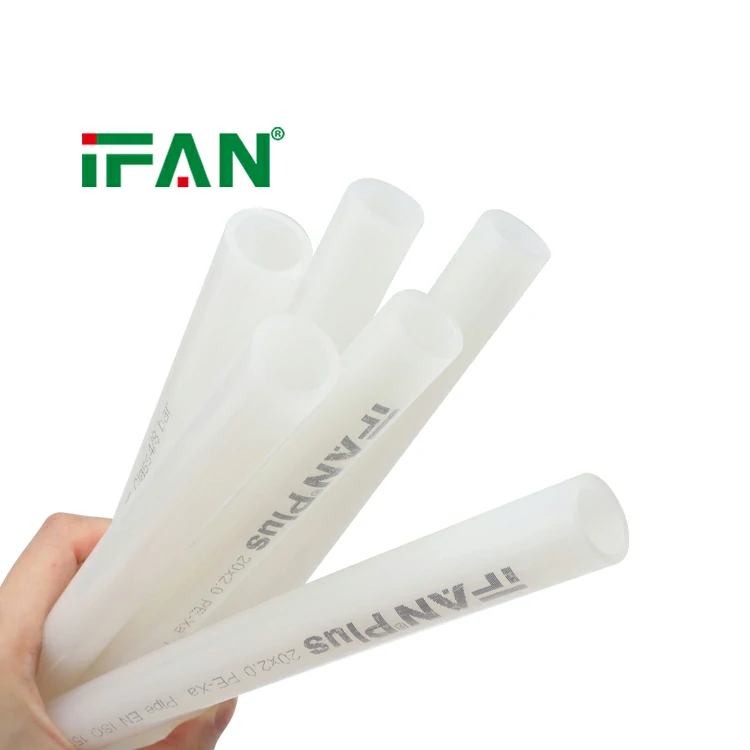
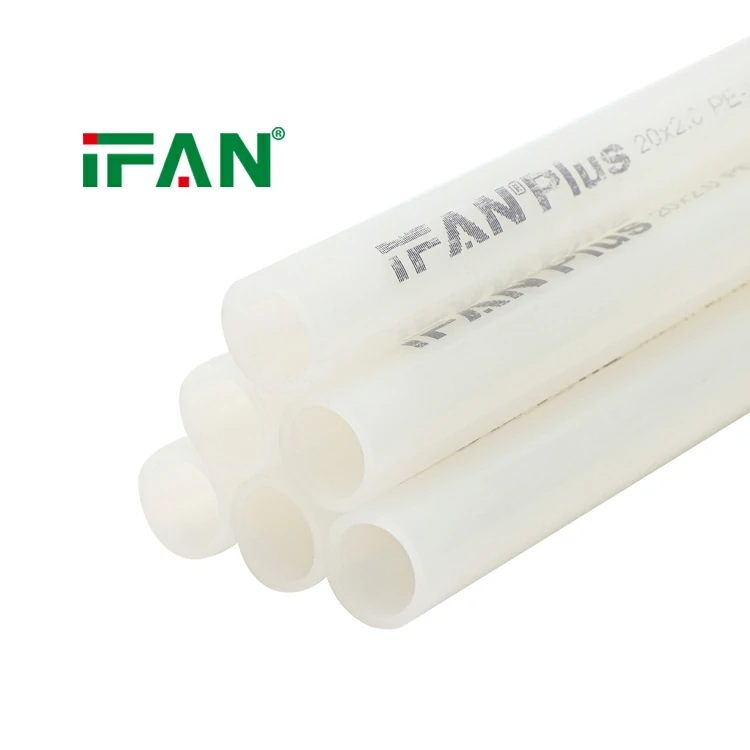
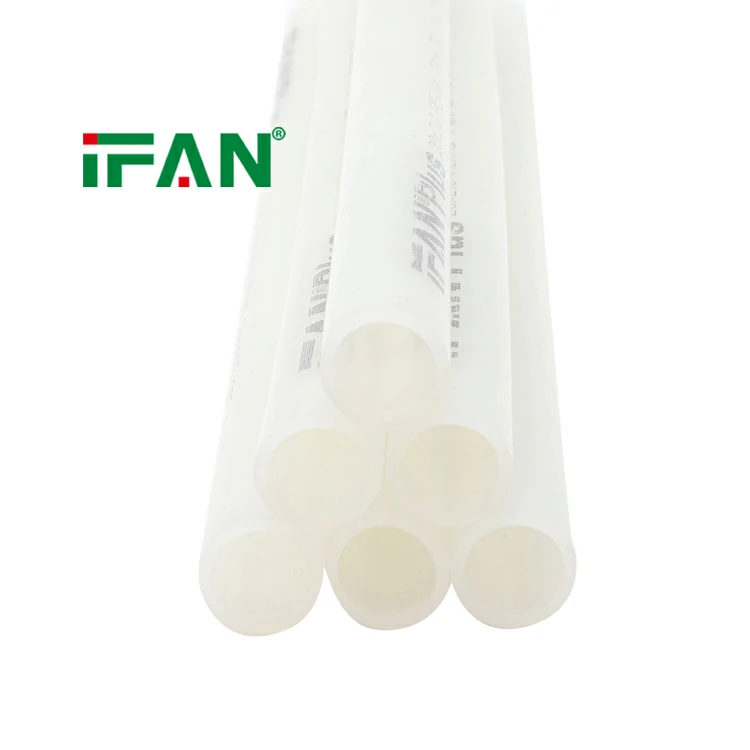
PEX-A is a non-metallic polymer. It contains no iron, copper, or other corrodible elements. Therefore, electrochemical corrosion is impossible. Rust and pitting cannot occur inside the pipe. The material itself is inert. This is a primary advantage over metal pipes.
Smooth Interior Surface and Scale Adhesion
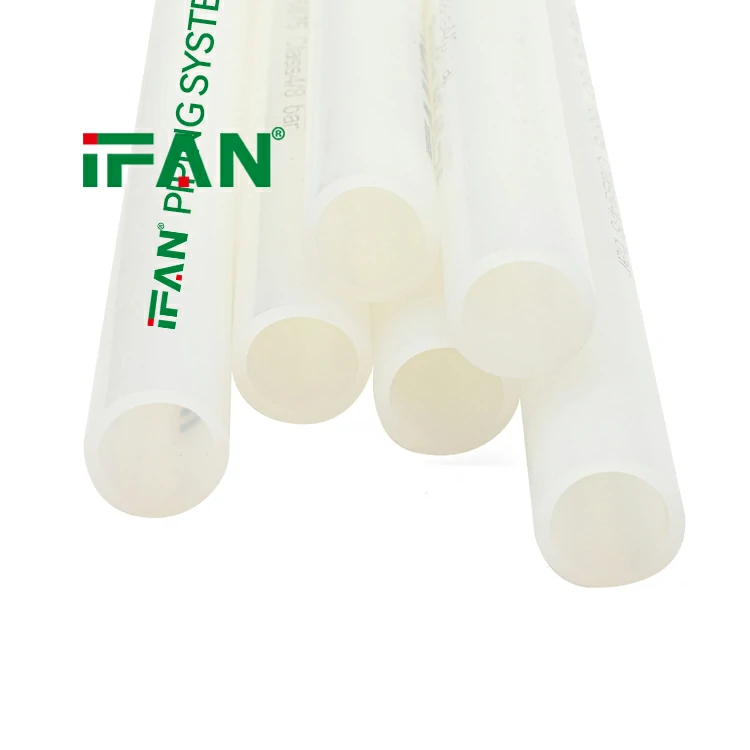
The inner bore of PEX-A pipe is extremely smooth. Mineral crystals have little to grip onto. Scale tends to form on rough surfaces. Metal pipes develop microscopic pits over time. These pits act as nucleation sites for scale. PEX’s smoothness inhibits this process.
Chemical Inertness and Water Interaction
PEX-A does not react with water chemistry. It does not catalyze mineral precipitation. Some metal ions can accelerate scaling reactions. PEX-A pipe eliminates this catalytic effect. Water chemistry remains more stable. This indirectly reduces scaling potential.
Comparison to Metal Pipes in Hard Water Areas
In regions with hard water, metal pipes suffer. Copper pipes can develop significant scale. This reduces internal diameter and flow. PEX-A pipe maintains its full bore over decades. Homes see consistent water pressure. No descaling treatments are needed.
Thermal Properties and Scale Formation
Hot water accelerates scale formation. PEX-A has low thermal conductivity. The pipe wall stays cooler than copper. This slightly reduces the scaling rate in hot lines. However, very hard water may still deposit minerals. The smooth surface makes deposits easier to flush.
The Role of Water Velocity and Flow
High flow can help prevent deposition. PEX-A pipe maintains consistent internal diameter. This supports designed flow velocities. Stagnant water in oversized pipes encourages scaling. Properly sized PEX systems minimize this risk.
Long-Term Performance and Diameter Integrity
Metal pipes lose capacity over time. Scale buildup gradually chokes the line. PEX-A pipe does not have this problem. Its internal diameter remains essentially unchanged. System hydraulic performance is preserved for its entire lifespan.
Impact on Water Heaters and Appliances
Scale often forms in heaters and appliances. PEX-A pipe does not contribute metallic ions. These ions can form hard scales in tanks. Using PEX supply lines can help. It reduces one source of scaling material entering the appliance.
Maintenance and System Flushing
All plumbing systems benefit from flushing. PEX-A pipe makes this process more effective. Any loose mineral sediment flows out easily. There is no rough corrosion to trap particles. Routine maintenance is simpler and less critical.
Limitations and Realistic Expectations
PEX-A prevents corrosion within itself. It cannot prevent scale from forming elsewhere. Scale will still form in water heaters or metal valves. The pipe itself will not corrode or scale internally. It is the best conduit material for minimizing buildup.
Conclusion on Protective Properties
PEX-A pipe effectively prevents corrosion. It is inherently corrosion-proof. It significantly resists scale buildup. Its smooth, inert surface is the key. It outperforms all metallic piping in this regard. For hard water areas, it is an excellent choice. It ensures durable, efficient water delivery.
相关产品
 PEX AL PEX Pipe
PEX Plastic Aluminium Pipes
- PEX AL PEX Pipe
Zurn Pex Pipe
- PEX AL PEX Pipe
Plastic PEX Al Pipe
- PEX AL PEX Pipe
PEX Gas Pipe