
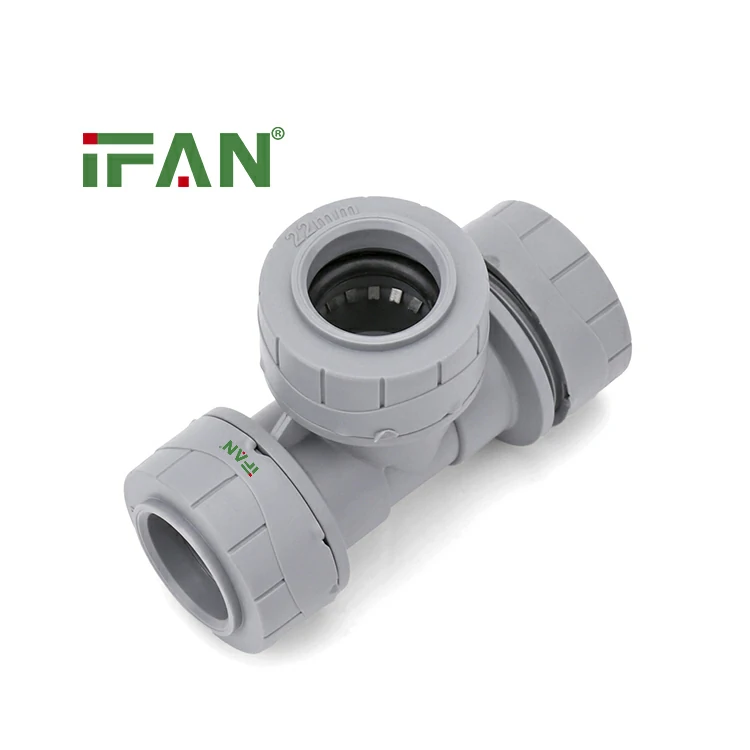
IFAN Low Price PPR Push Fittings
Category : Click Download
Whatsapp : +86 19884503412
Wechat : 19884503412
Description
Understanding Push Fitting Design
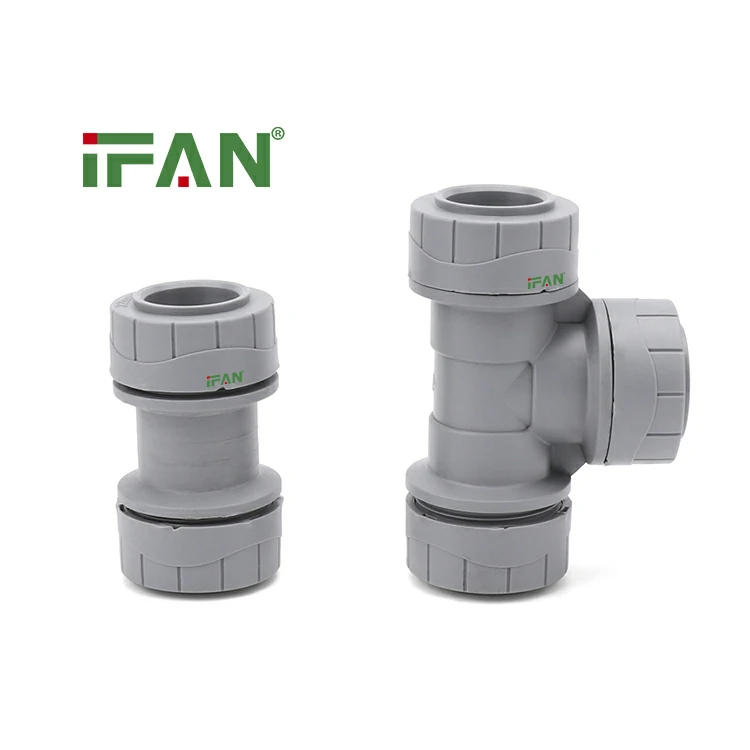
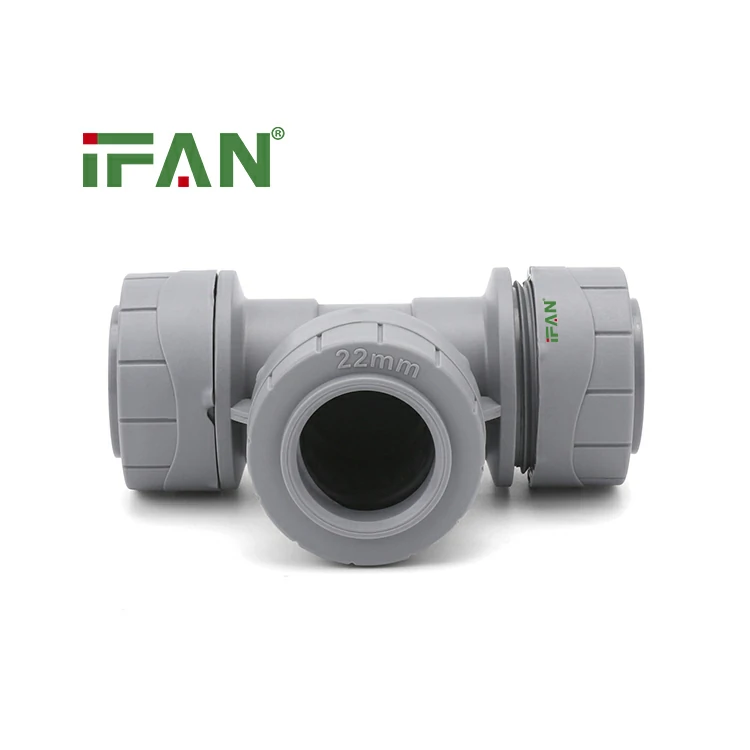
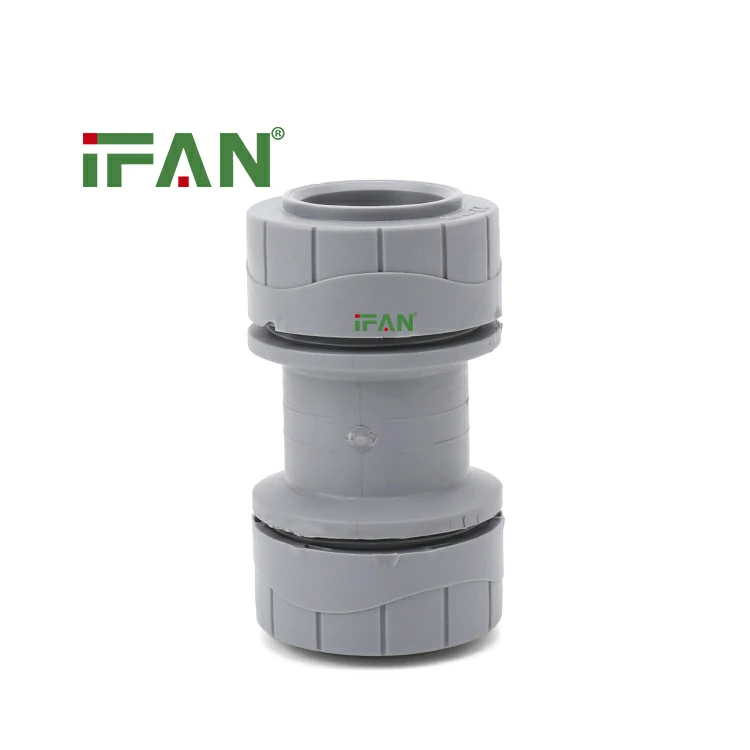
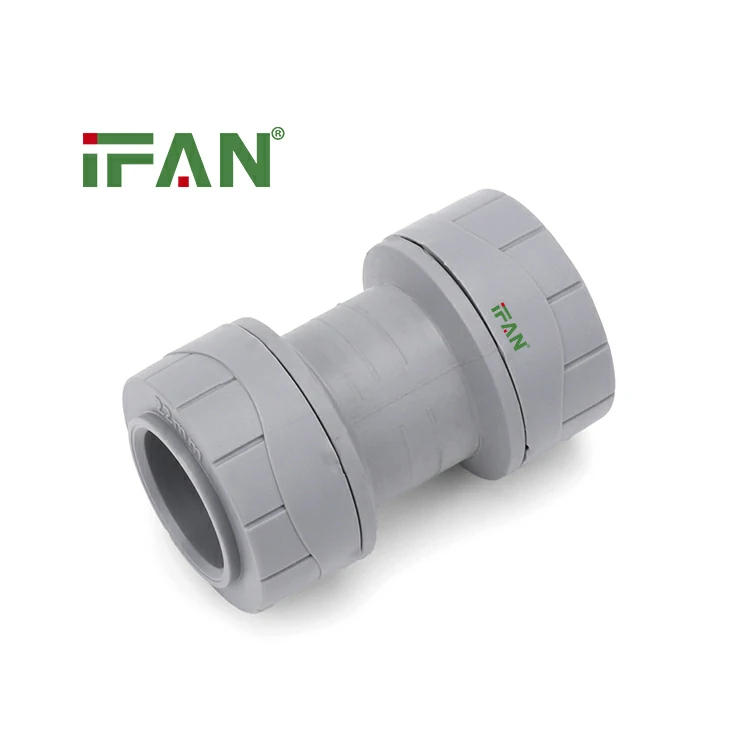
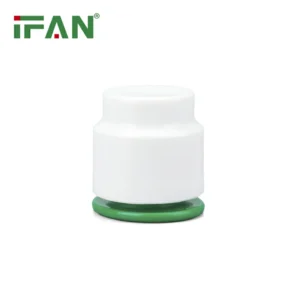
PPR push fittings have a specific design. They contain internal mechanical components. These include a gripper ring and an O-ring. The design allows for disassembly. This is a key advertised feature. Reusability is a common question.
The Manufacturer’s Intended Function
Most manufacturers design for reusability. The release collar enables disengagement. You press it to retract the gripper teeth. The pipe can then be removed. The fitting itself is not damaged. It can accept a new pipe section.
Condition of the Pipe After Removal
The original pipe is usually damaged. The gripper ring’s teeth leave deep impressions. These grooves compromise the pipe wall. Reusing this pipe section is unsafe. It may leak or fail under pressure. You must always use new pipe.
Inspection of Internal Components
The fitting’s internal parts must be checked. The stainless steel gripper ring should be intact. The EPDM O-ring must be pliable and undamaged. Any debris or scratches can cause leaks. If components are worn, reuse is risky. Replacement is often wiser.
Limitations on Repeated Reuse
Even with perfect parts, limits exist. The gripper ring’s spring tension may weaken. The O-ring can lose elasticity over time. Most fittings are rated for a few cycles. Exact numbers are rarely specified. Assume reuse is for occasional changes, not constant reworking.
Impact of Pressure and Temperature Cycling
Reused fittings face extra stress. Previous pressure cycles may have fatigued plastic. Thermal expansion stresses the O-ring further. A fitting from a hot water line is more stressed. Its reliability upon reuse is lower. Caution is essential.
Comparison to Solvent-Welded Fittings
Solvent-welded joints are permanent. They cannot be disassembled at all. PPR push fittings offer clear advantage here. They allow for system modification. This is their primary benefit over glued systems. But reuse is not infinite.
Proper Procedure for Disassembly and Reuse
First, shut off and depressurize the system. Push the release collar firmly and hold it. Pull the old pipe straight out. Inspect the fitting’s interior thoroughly. Clean it with water and a soft brush. Insert a new, prepared pipe until it clicks.
When Reuse is Not Advisable
Do not reuse visibly damaged fittings. Cracks or deformations are clear disqualifiers. Do not reuse fittings from unknown histories. Avoid reuse in critical, high-pressure applications. If the O-ring is hard or cracked, discard it. Safety must come first.
The Economic Perspective on Reuse
A new PPR push fitting is inexpensive. The risk of a leak is very costly. Water damage repairs are expensive. Reusing a fitting saves very little money. The potential cost of failure is high. Replacement is often the most prudent choice.
Warranty and Liability Considerations
Manufacturer warranties may not cover reused fittings. Using a fitting outside its intended cycle voids coverage. Professional plumbers often choose new fittings. This ensures warranty protection for their work. It also guarantees client safety and satisfaction.
Final Verdict on Reusability
Yes, PPR push fittings are technically reusable. However, this reuse is conditional and limited. It depends on perfect component condition. It requires installation of a brand-new pipe section. For utmost reliability and safety, using a brand-new fitting is strongly recommended. The convenience of disassembly is best used for system changes, not for indefinite fitting reuse.
相关产品
 ppr push fittings
IFAN Free Sample PPR Push Fittings
- ppr push fittings
IFAN PPR Push Fittings
- PPR Fitting
IFAN PPR Push Stop Valve
- PPR Fitting
IFAN PPR Push Plug Fittings


HAVE ANY QUERIES? SEND TO CONTACTOANTSMACHINE.COM
ONTACT US