
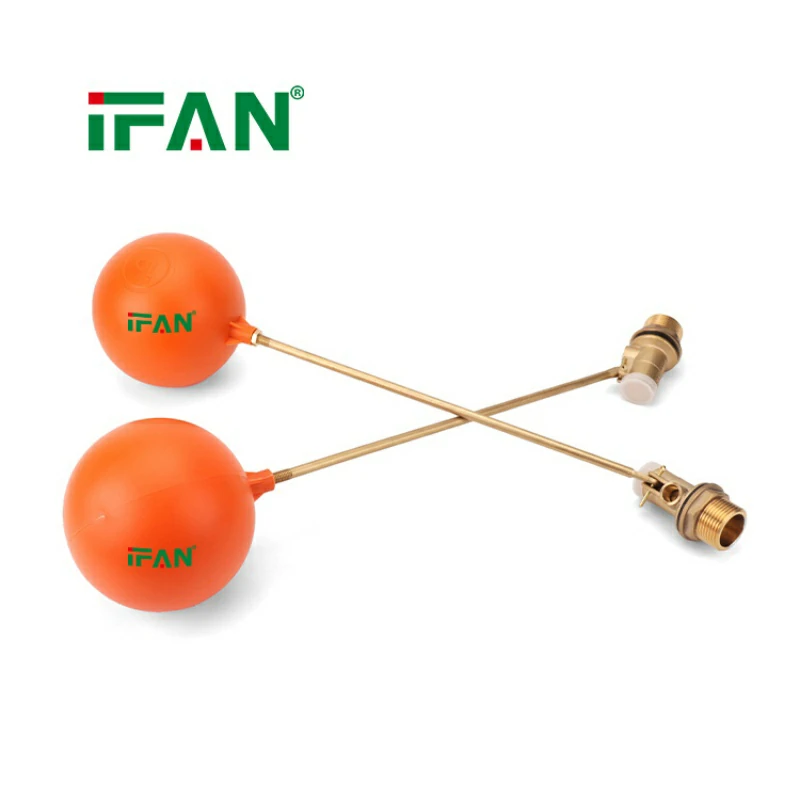
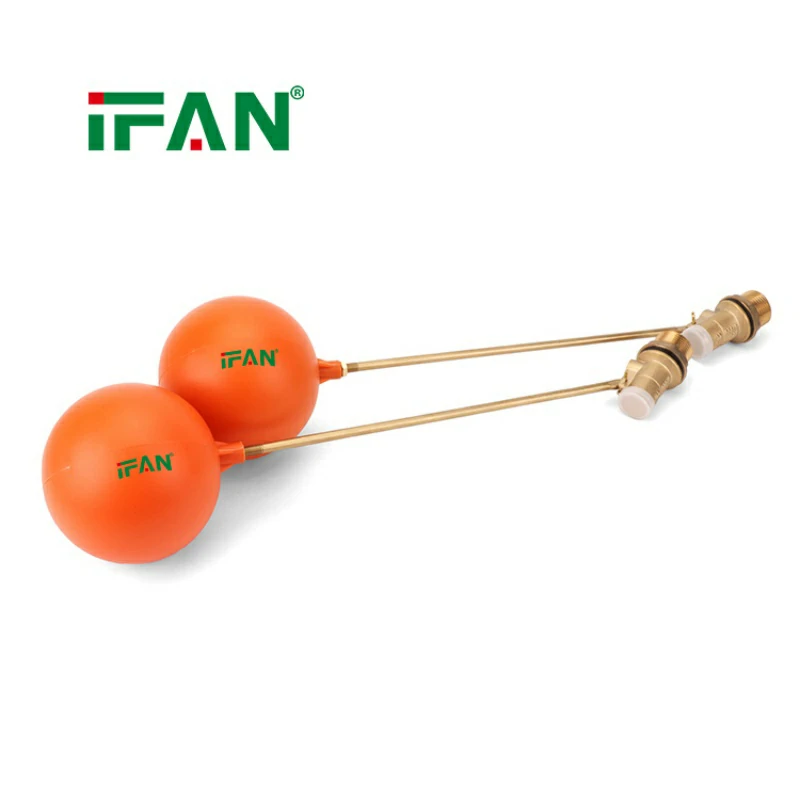
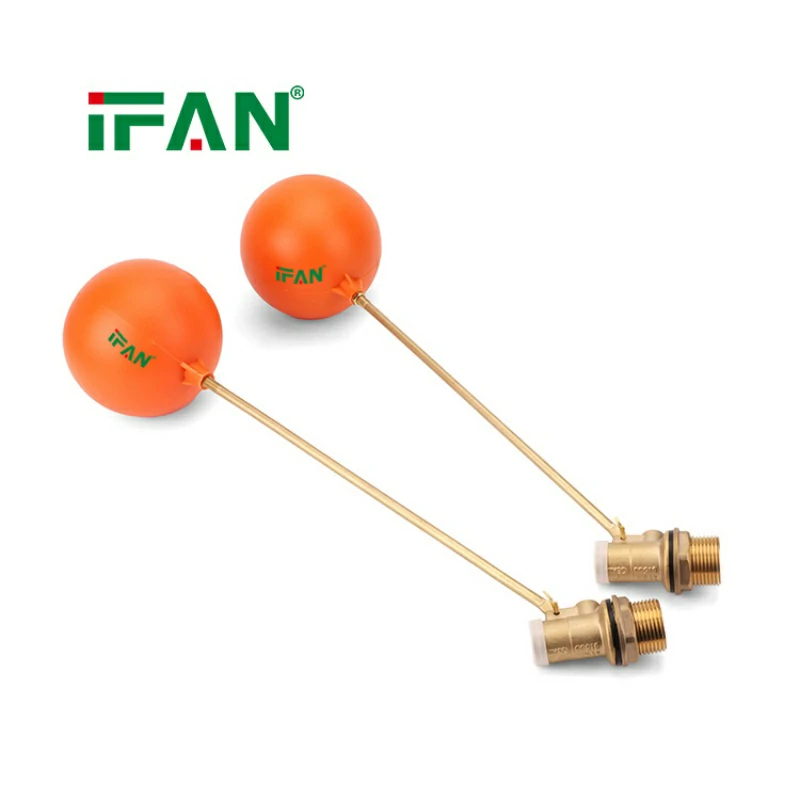
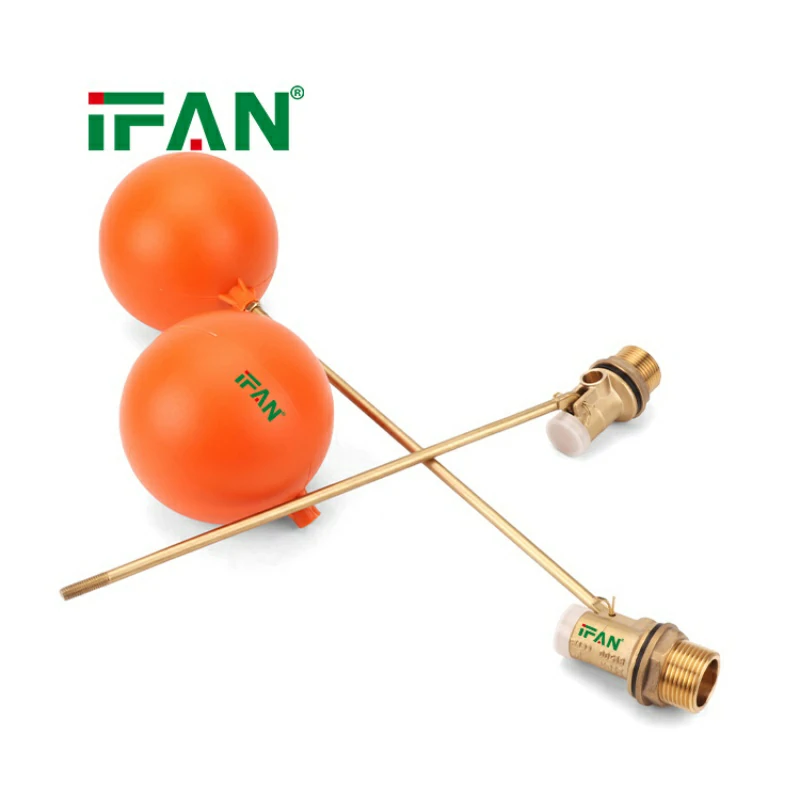
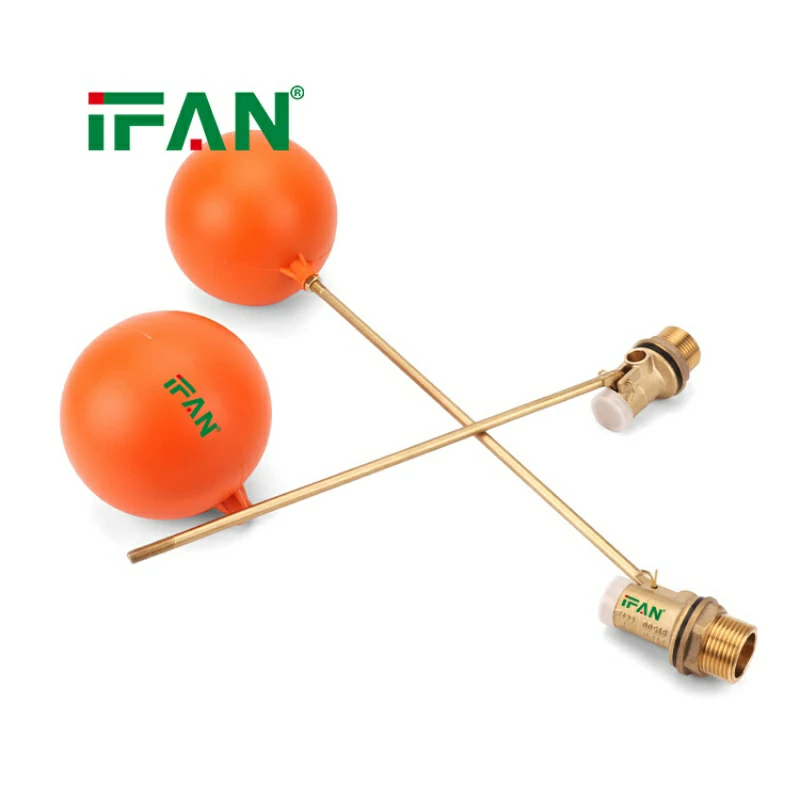
IFAN Low MOQ Brass Float Valves
Category : Click Download
Whatsapp : +86 19884503412
Wechat : 19884503412
Description
Understanding the Float Valve Function
Brass float valves control liquid levels. They are common in tanks and cisterns. A floating arm rises with water. It shuts off the inlet valve eventually. This simple mechanism has several failure points. Recognizing them is key to maintenance.
The Persistent Problem of Water Hammer
Water hammer is a loud banging noise. It occurs when the valve shuts abruptly. High water pressure makes this worse. The shockwave stresses the brass body. It can damage internal seals and washers. Installing a water hammer arrestor helps.
Failure of the Rubber or Plastic Washer
The washer creates the watertight seal. It presses against the valve seat. Hard water minerals erode it over time. Chlorine in water can make it brittle. A worn washer causes constant dripping. Replacing the washer is a standard fix.
Mineral Buildup and Scaling
Hard water deposits calcium and lime. These minerals coat the valve seat and washer. This prevents a proper seal from forming. Water continues to trickle into the tank. The valve may also stick partially open. Descaling with vinegar is a solution.
Corrosion and Pitting of Brass Components
Despite its name, brass can corrode. Dezincification is a specific type. It leaves a weak, porous copper structure. The valve body or arm may develop pits. This corrosion leads to leaks and cracks. Using dezincification-resistant (DZR) brass prevents this.
Bent or Misaligned Float Arm
The float arm can become bent. This happens from accidental impact or misuse. A bent arm misaligns the valve mechanism. The valve may not shut off completely. It may also fail to open when needed. Gently straightening the arm can restore function.
Float Ball Taking on Water
The float ball should be hollow and buoyant. A crack or hole allows water inside. The sinking ball fails to rise properly. The inlet valve never shuts off. This causes continuous water flow and overflow. Replacing the float ball is necessary.
Issues with the Pivot Pin and Connection
The float arm pivots on a small pin. This pin can corrode or wear out. The connection becomes stiff or loose. The arm does not move smoothly. This affects the valve’s timing and accuracy. Lubrication or pin replacement is required.
High Inlet Water Pressure
Excessive pressure strains the valve. It forces the washer off the seat. It also worsens water hammer effects. Pressure above 80 psi is often problematic. Installing a pressure reducing valve (PRV) protects the system. It extends the float valve’s life.
Debris and Sediment Blockage
Small particles enter the water supply. Sand or grit can lodge in the valve seat. It prevents the washer from sealing fully. It can also clog the inlet filter screen. Regular flushing and a sediment filter help. Clean the inlet strainer periodically.
Worn or Damaged Threads
Brass float valves connect via threaded inlets. Cross-threading during installation damages them. Over-tightening can crack the threads. Old threads may be corroded. This causes leaks at the connection point. Careful installation and thread tape are crucial.
Diagnosing and Solving Common Issues
Listen for constant running or hissing. Look for water dripping from the overflow. Check the float ball for water inside. Inspect the washer for wear and scale. Test the arm’s free movement. Most problems have straightforward solutions. Regular inspection prevents major failures. Understanding these common issues with brass float valves ensures reliable operation and water conservation.
相关产品
 Brass Ball Valve
IFAN Brass Ball Valve
- Brass Ball Valve
IFAN Water Brass Ball Valve
- Brass Radiator Valve
Radiator Angle Valve
- Brass Gas Valve
Brass Gas Ball Valve


HAVE ANY QUERIES? SEND TO CONTACTOANTSMACHINE.COM
ONTACT US