
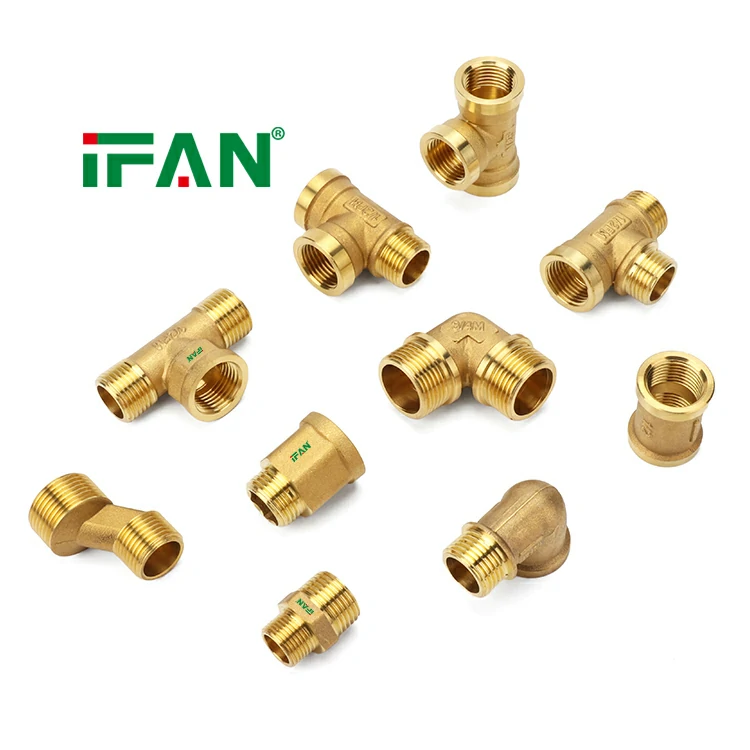
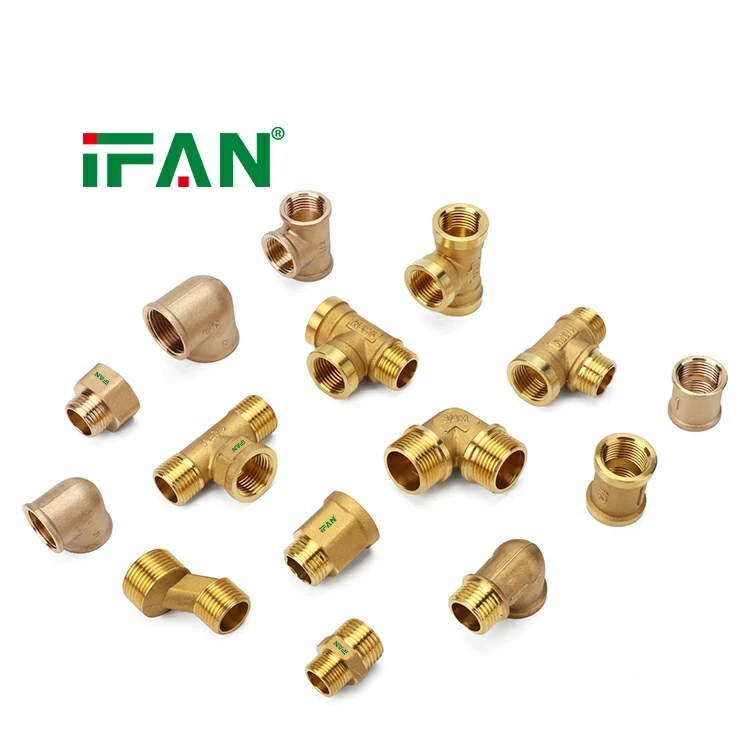
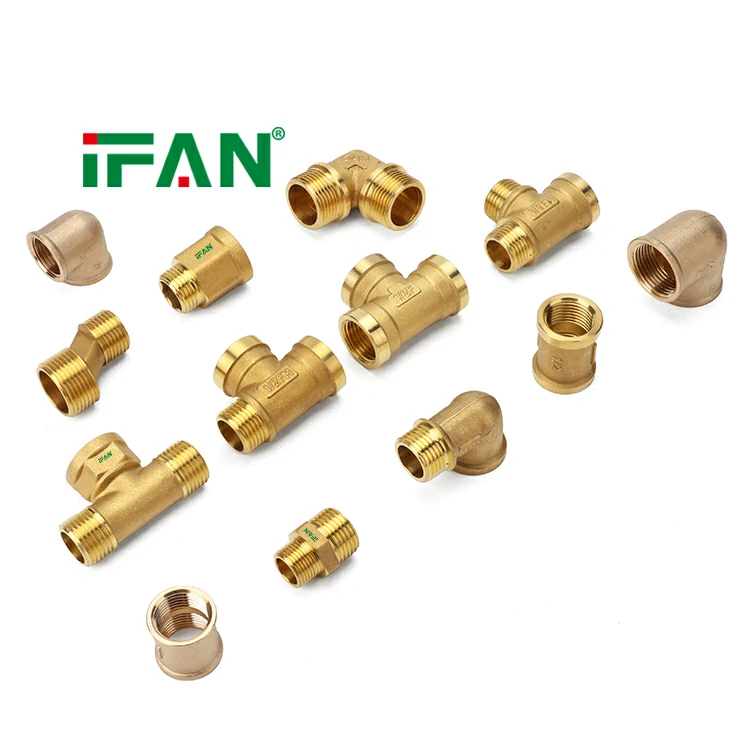
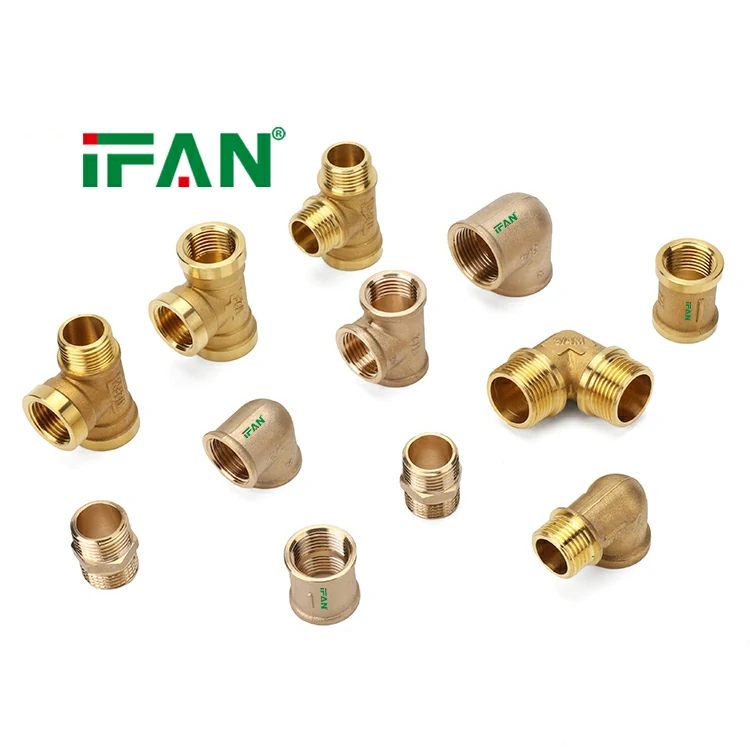
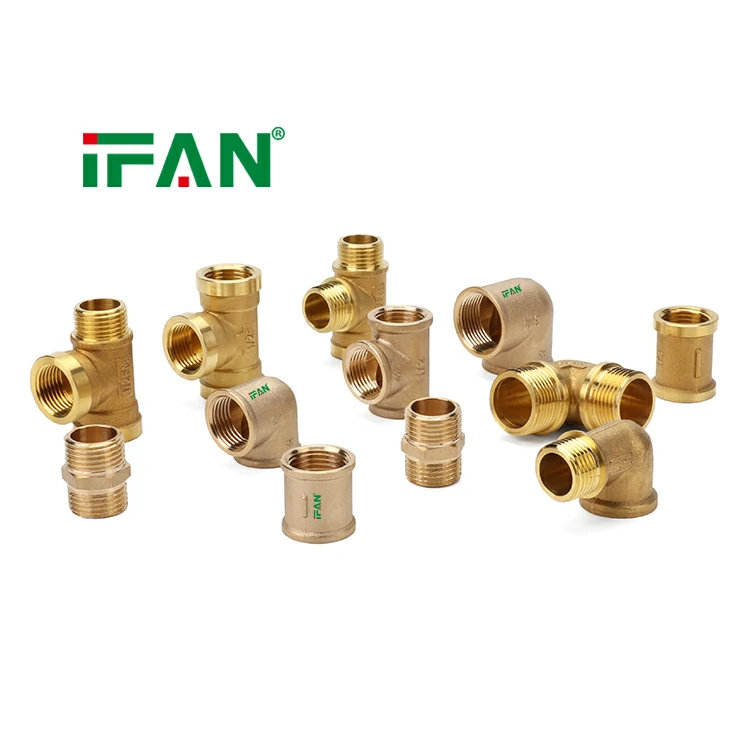
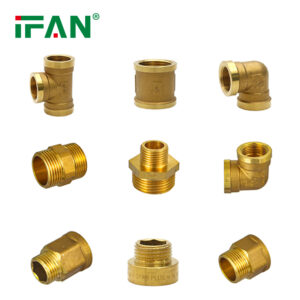
IFAN Competitive Brass Fittings
Category : Click Download
Whatsapp : +86 19884503412
Wechat : 19884503412
Description
Understanding the Importance of Proper Installation
Brass fittings are common in plumbing systems. They provide durable, corrosion-resistant connections. However, improper installation leads to leaks and failures. Correct technique ensures long-term reliability. This guide covers the essential steps. Follow them for professional results.
Gathering Necessary Tools and Materials
Before starting, assemble all required items. You need two adjustable wrenches. Have Teflon tape or pipe thread compound ready. A wire brush cleans old threads. Safety glasses protect your eyes. Work gloves are also recommended. Good preparation prevents interruptions.
Inspecting the Brass Fittings
Examine each brass fitting carefully before use. Check for any visible cracks or defects. Ensure threads are clean and undamaged. Look for casting flaws or thin spots. Confirm the fitting size matches your pipe. Reject any questionable components immediately.
Preparing the Pipe Threads
Threads must be clean for a good seal. Use a wire brush to remove old debris. Inspect for burrs or rough spots. File down any imperfections gently. The pipe end should be square and smooth. Proper preparation is half the job.
Applying Thread Sealant Correctly
Sealant is essential for threaded connections. For Teflon tape, wrap it clockwise around male threads. Start at the second thread from the end. Overlap each wrap by half the tape width. Use three to five wraps total. For pipe dope, apply an even layer to all threads.
Hand-Tightening the Fitting First
Begin by threading the fitting by hand. Turn it clockwise until it stops. This ensures proper thread engagement. It prevents cross-threading damage. Stop when the fitting feels snug. Do not use a wrench at this stage.
Positioning for Final Orientation
Consider how the fitting will be oriented. Mark the desired final position. You may need to turn slightly past hand-tight. Brass allows for a small adjustment. Do not back off to align, as this loosens the seal. Plan ahead to avoid this issue.
Final Tightening with Wrenches
Use two wrenches for final tightening. One wrench holds the fitting steady. The other turns the pipe or mating part. This prevents stress on the brass fittings. Tighten one to two turns past hand-tight. Feel for increasing resistance.
Avoiding Common Tightening Mistakes
Do not overtighten brass fittings. Brass is softer than steel. Overtightening can crack the body or strip threads. It can also distort the fitting shape. Undertightening leaves gaps for leaks. Find the balance between too loose and too tight.
Supporting the Fitting and Pipes
Fittings should not bear the pipe’s weight. Install pipe supports near each fitting. This relieves mechanical stress. It prevents sagging and joint strain. Proper support ensures long-term reliability. It protects threaded connections from fatigue.
Testing for Leaks After Installation
Slowly turn the water supply back on. Check all connections immediately. Look for any signs of water droplets. Feel around the joints with a dry finger. If a leak appears, tighten slightly. If it persists, disassemble and reapply sealant.
Conclusion: Precision Ensures Performance
Proper installation of brass fittings requires attention to detail. Clean threads and correct sealant are essential. Use two wrenches and avoid overtightening. Support pipes adequately to prevent stress. Test thoroughly before concealing the work. These steps ensure leak-free, durable connections. Your plumbing system will perform reliably for years.
相关产品
 01 Series
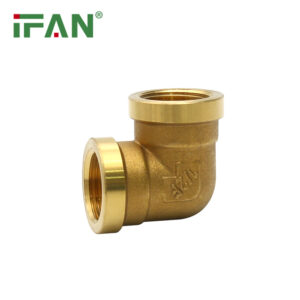
Brass Equal Elbow
- 01 Series
Brass Connectors
- 01 Series
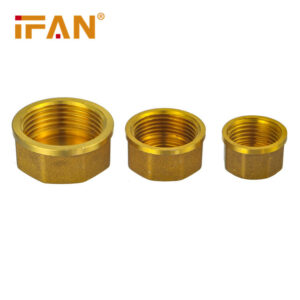
Brass End Cap
- 01 Series
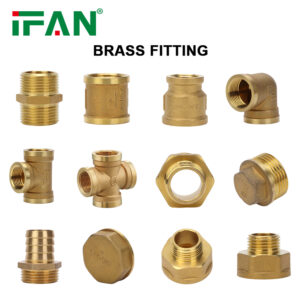
Brass Fittings



HAVE ANY QUERIES? SEND TO CONTACTOANTSMACHINE.COM
ONTACT US