
Identifying the Leak Source
First, determine where the leak originates. Is it from the valve stem? Is it from the threaded connections? Or is the valve body cracked? Dry the valve completely with a rag. Watch closely to see where water appears. This determines the repair approach.
Common Causes of Leaks
Worn O-rings or seals are frequent culprits. Debris caught in the seat causes dripping. Loose threaded connections allow seepage. Cracks from overtightening or freezing occur. Age and UV exposure degrade the plastic. Identifying the cause guides the fix.
Safety First: Shutting Off Water
Always shut off the water supply first. Close the main valve upstream. Open a faucet to relieve system pressure. Place a bucket and towels underneath. Water will remain in the line. Be prepared for some spillage.
Tightening Threaded Connections
If the leak is at threaded joints, try tightening. Use two wrenches to avoid stressing the valve. Turn the nut or fitting clockwise slightly. A quarter-turn may stop a minor weep. Do not overtighten, as this can crack PVC ball valves.
Replacing Stem O-Rings
Stem leaks occur around the handle. Many PVC ball valves allow stem O-ring replacement. Remove the handle nut and pull off the handle. Unscrew the stem nut carefully. Extract the old O-ring and replace it with a new one. Lubricate with silicone grease.
Cleaning Debris from the Seat
Sometimes debris prevents full closure. Partially open and close the valve rapidly. This may flush out small particles. If not, you may need to disassemble the valve. Remove the handle and stem to access the ball and seats. Clean any debris from the sealing surfaces.
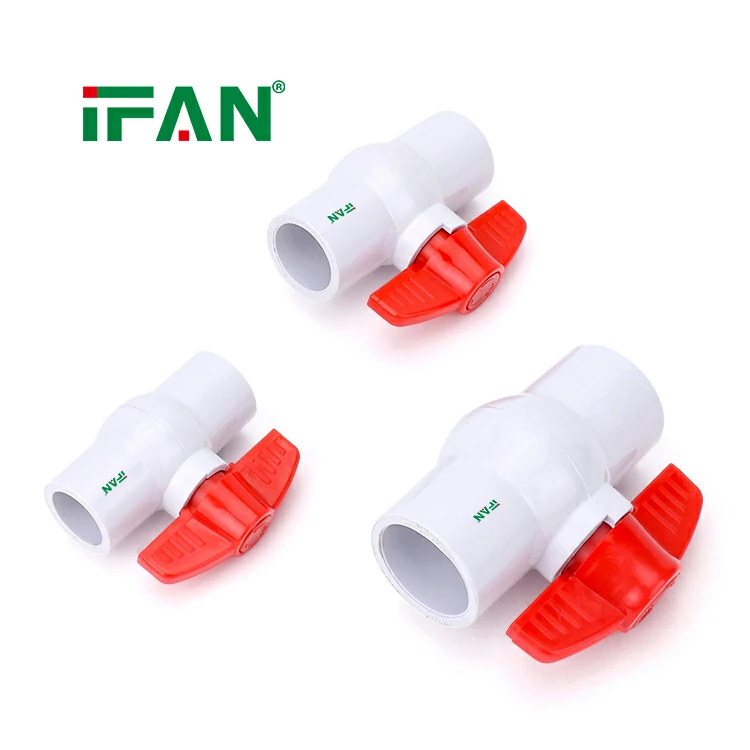
Repairing with a Valve Repair Kit
Some manufacturers offer repair kits. These include new seats, O-rings, and seals. Disassemble the valve according to instructions. Replace all worn internal components. Reassemble carefully, ensuring proper alignment. This can extend the valve’s life significantly.
Dealing with a Cracked Body
A cracked valve body cannot be repaired. The crack will only grow under pressure. Attempting to glue or patch it is unsafe. The entire valve must be replaced. This is the only reliable solution for body cracks.
Removing the Old Valve
If replacement is needed, cut the pipe on each side. Use a fine-toothed saw or PVC cutter. Leave enough straight pipe for new fittings. Clean the pipe ends thoroughly. Remove all old cement or debris.
Installing the New Valve
Select a new valve of the correct size and type. Dry-fit the new valve to check alignment. Mark insertion depths on the pipe. Apply PVC primer and solvent cement. Insert the pipes fully and hold for 30 seconds. Allow proper curing time before pressure testing.
Using Union Valves for Easier Replacement
Consider using union PVC ball valves for replacement. These have a threaded connection on one or both ends. They allow future removal without cutting pipes. This is a wise upgrade if frequent maintenance is expected.
Testing the Repair or Replacement
Slowly turn the water supply back on. Check all connections carefully. Look for any signs of water droplets. Operate the valve fully several times. Ensure smooth operation and no leaks. Monitor the repair for the next few hours.
Conclusion on Repair and Replacement
Leaking PVC ball valves can often be repaired. Stem O-rings and debris are common fixable issues. Cracked bodies and severe wear require replacement. Use proper techniques and materials. Always test thoroughly after any work. Regular inspection and maintenance prevent future leaks.