
Understanding Storage Importance
Proper storage preserves material integrity. PPR is a thermoplastic with sensitivities. Heat, UV light, and pressure affect it. Poor storage causes deformations and damage. This leads to installation problems. Good storage practices prevent premature failure.
Protect from Direct Sunlight
UV radiation degrades PPR material quickly. Never store PPR pipe fittings outdoors in sunlight. The surface becomes brittle and cracks. Even short-term exposure is harmful. Store fittings inside a building or shaded area. Use opaque covers if indoor storage is impossible.
Avoid High Temperatures
PPR softens at high temperatures. Do not store near heaters or boilers. Avoid closed vehicles on hot days. The material can warp or deform. The maximum storage temperature is 40°C (104°F). Excessive heat ruins the fittings permanently.
Keep Away from Chemicals
PPR resists most chemicals. However, some solvents cause damage. Store away from paints, thinners, and fuels. Avoid contact with strong acids or bases. Chemical exposure can weaken the material. Keep fittings in a clean, dedicated area.
Protect from Physical Damage
PPR pipe fittings are strong but not indestructible. Dropping them can cause cracks. Stacking heavy objects deforms them. Use bins or shelves for organization. Do not throw fittings loose into a truck. Handle them with care during transport.
Maintain Cleanliness
Dirt and dust contaminate welding surfaces. This prevents proper fusion. Store fittings in sealed bags or containers. Keep them away from construction dust. Clean the socket just before welding. A clean surface ensures a strong joint.
Store in Original Packaging
The original packaging provides protection. It keeps fittings sorted by size. It prevents dust and dirt accumulation. It also protects from physical damage. Keep fittings in their boxes until use. This simplifies inventory management.
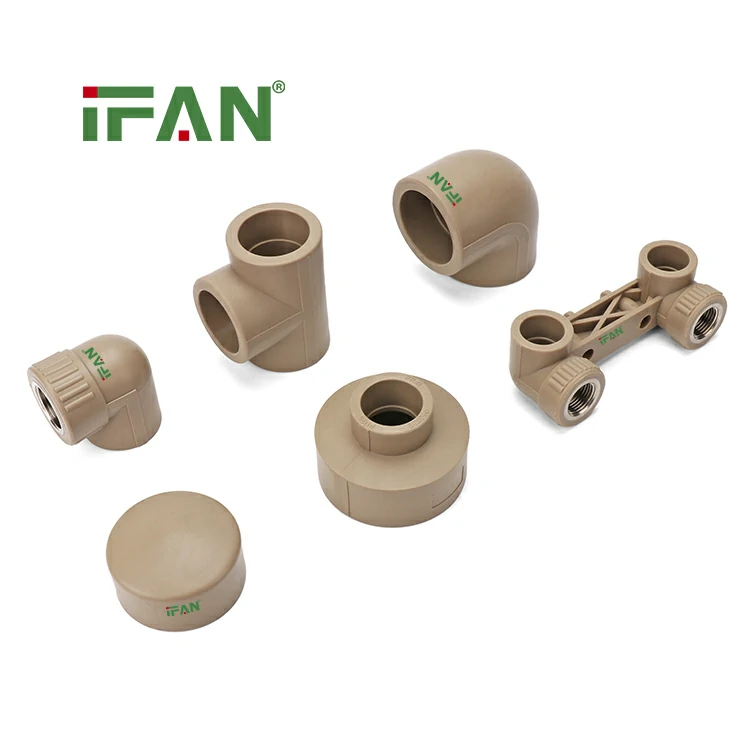
Avoid Moisture and Humidity
PPR does not absorb moisture. However, wet surfaces interfere with welding. Store fittings in a dry area. Avoid direct contact with wet floors. Use pallets or shelving for storage. Dry the fitting before welding if it becomes wet.
Proper Fitting Orientation
Store fittings in their natural orientation. Do not stack them haphazardly. Elbows and tees can nest together. Do not force them into tight containers. Maintain the round shape of sockets. Distorted sockets will not seal properly.
Organize by Size and Type
Use clear labels for different sizes. Separate 20mm from 25mm fittings. Keep elbows separate from tees. This saves installation time. It prevents using the wrong part. A well-organized storage system improves efficiency.
Storage Duration and Rotation
PPR has a long shelf life. However, use older stock first. Rotate inventory as new stock arrives. This prevents very old fittings from sitting for years. Follow first-in, first-out (FIFO) principles. This ensures fresh material for critical applications.
Indoor Storage Recommendations
The best storage is inside a clean warehouse. Maintain moderate temperatures year-round. Keep fittings off the concrete floor. Use metal shelves or wooden pallets. Protect from sunlight and artificial UV sources. This is the preferred method for long-term storage.
Conclusion on Storage Best Practices
Properly storing PPR pipe fittings is straightforward. Protect them from UV light and extreme heat. Keep them clean and dry. Avoid physical damage and chemical exposure. Organize by size and use original packaging. These simple steps ensure your fittings remain in perfect condition. Welding results will be consistent and reliable. Your plumbing system will perform as designed for decades.