
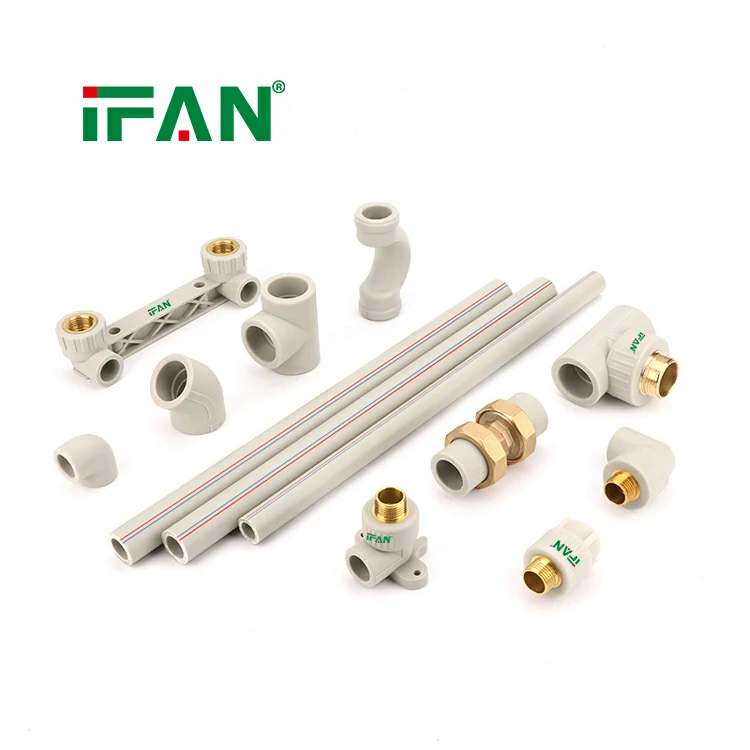
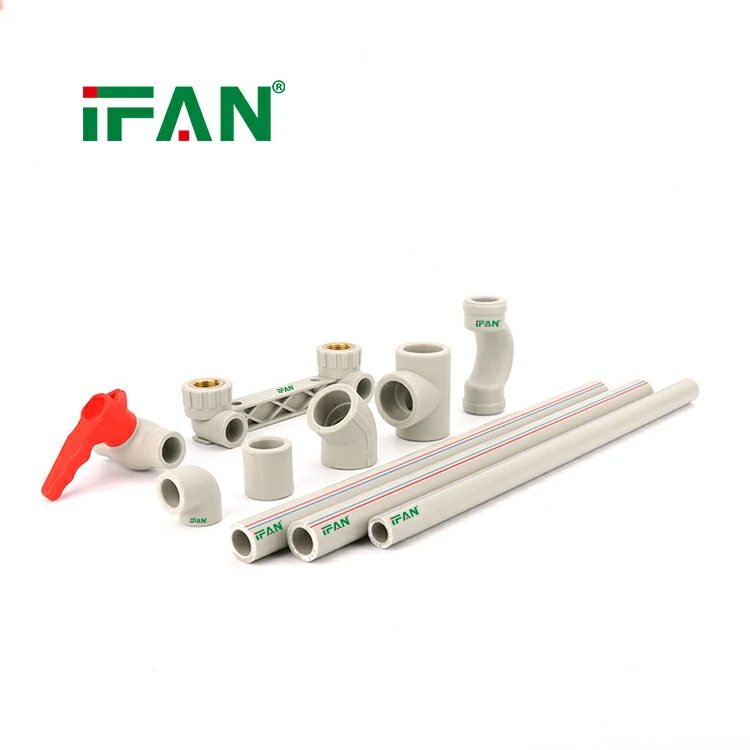
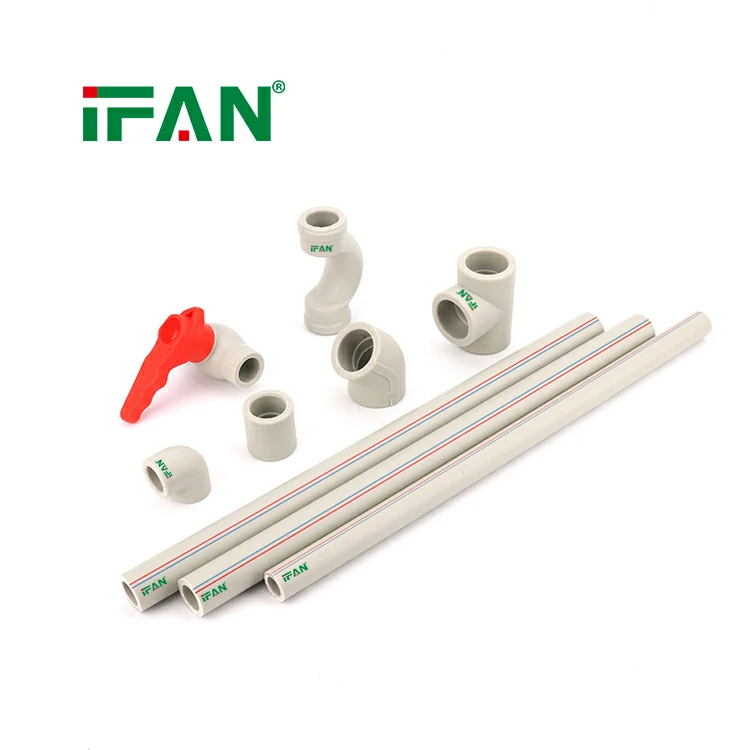
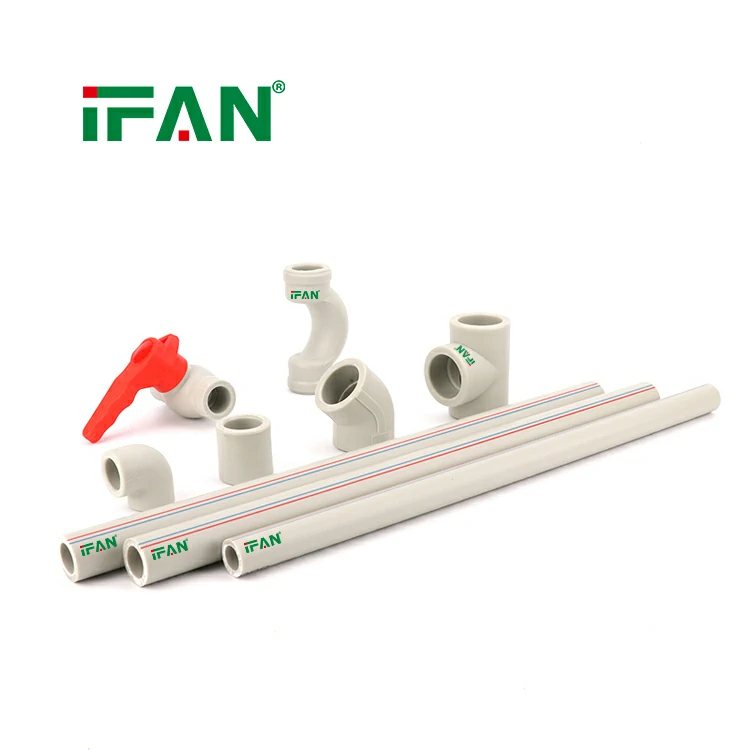
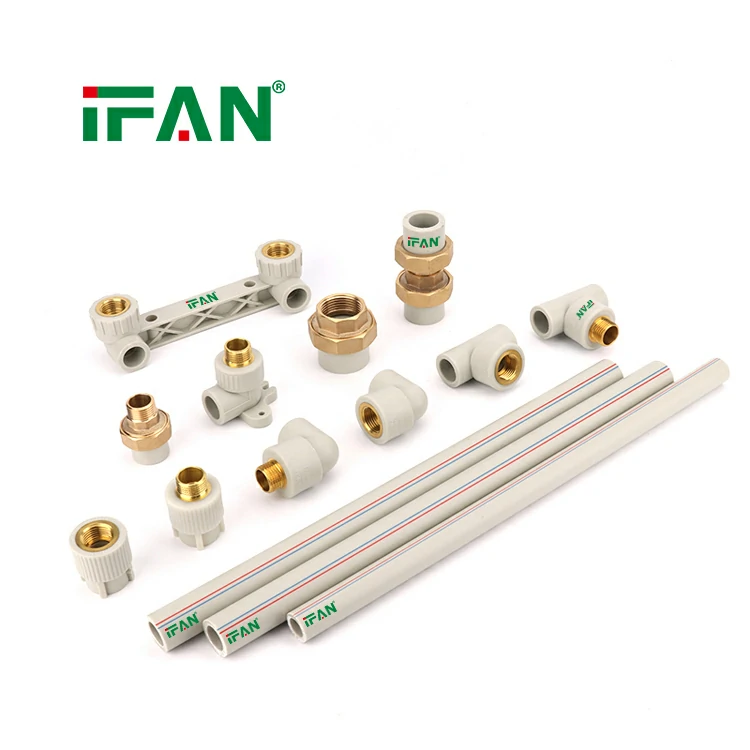
IFAN OEM PPR Water Pipe Fittings
Name: IFAN PPR Water Pipe Fittings
Brand: IFAN
Category : Click Download
Whatsapp : +86 19884503412</p>
Category : Click Download
Whatsapp : +86 19884503412
Wechat : 19884503412
Description
Understanding the Fusion Welding Process
PPR pipes and fittings are joined by heat fusion. This is a welding process for thermoplastics. A special tool heats both parts simultaneously. The surfaces melt and are pressed together. They fuse into a single, homogenous piece. This is not a mechanical connection.
The Nature of the Fused Joint
The joint becomes a continuous material. There is no seam between pipe and fitting. The plastic molecules intermingle during welding. Upon cooling, they are permanently locked. This creates a fully monolithic structure. There is no interface to seal.
Why Sealant or Tape is Not Needed
Sealants and tapes fill gaps between threads. PPR water pipe fittings do not have threads. They rely on molecular fusion, not mechanical compression. There is no gap for a sealant to fill. Adding tape or compound would prevent proper welding. The contaminant would weaken the joint.
Mechanical Fittings are the Exception
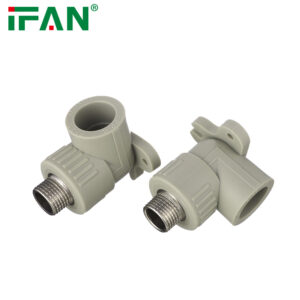
Threaded PPR fittings do exist. These are used with metal adapters. The PPR body has metal threads molded in. The metal-to-metal connection requires sealant. This is the same as any threaded plumbing. Teflon tape or pipe dope is necessary here.
Example of a Threaded PPR Adapter
A common example is a PPR to brass adapter. The brass end threads onto a metal valve. The PPR end fuses to the plastic pipe. The threaded brass joint needs Teflon tape. The fused PPR side does not.
No Sealant for Fusion Welding
For the actual fusion welding of PPR water pipe fittings, use nothing. The pipe and fitting must be clean. Isopropyl alcohol is used for cleaning. No tape, grease, or paste is applied. Any external substance ruins the weld.
The Risk of Contamination
Foreign material prevents molecular bonding. The melted plastic cannot intermix properly. The joint will have a weak interface. This can lead to leaks or sudden failure. The weld bead may look odd or incomplete. Contamination is a common cause of failure.
Proper Preparation for Fusion
Cut the pipe squarely with a sharp cutter. Deburr the inside and outside edges. Clean the pipe end and fitting socket. Use a clean cloth and isopropyl alcohol. Allow the surfaces to dry completely. Only then is the part ready for welding.
The Heating and Joining Process
Heat the pipe and fitting on the welding tool. Remove them quickly after the set time. Push them together straight and firmly. Hold until the initial cooling sets. A small, even bead should form. This bead indicates correct fusion.
Distinguishing Fusion from Threading
It is important to distinguish the connection types. Fusion welding is for permanent joints. Threading is for mechanical connections. PPR water pipe fittings are primarily fusion-welded. Threaded versions are specialty adapters.
When Tape is Absolutely Required
If a fitting has metal threads, use tape. This applies to the outlet side of a bibcock. It applies to adapters for shower valves. Always wrap Teflon tape clockwise. Use three to five wraps. Follow standard threading best practices.
Conclusion on Sealant Requirement
PPR water pipe fittings do not require sealant for fusion welding. The heat fusion process creates its own seal. The joint is continuous plastic with no gaps. However, threaded PPR adapters do need Teflon tape or pipe dope. Never apply any substance to the fusion surfaces. Keep them clean for a perfect, permanent weld. This ensures a reliable, leak-free system.
相关产品
 Gray PPR Pipe Fittings
Gray PPR Male Elbow
- Gray PPR Pipe Fittings
Gray PPR Reduce Tee
- Gray PPR Pipe Fittings
Gray PPR Crossover
- Gray PPR Pipe Fittings
Gray PPR Seated Female Elbow



HAVE ANY QUERIES? SEND TO CONTACTOANTSMACHINE.COM
ONTACT US