
Understanding Chlorine’s Role
Chlorine is a common disinfectant in drinking water. It prevents harmful microbial growth. However, it can degrade some materials over time. This is a specific oxidative process. Understanding this interaction is critical for material selection.
PPR’s Oxidative Stability Classification
Industry standards now classify chlorine resistance clearly. The ASTM F2389 standard for polypropylene systems revised its classifications in 2024 . These new classes are 0, 1, 3, and 5. This system aligns with standards for other piping materials . Manufacturers must specify which class their fittings meet.
Independent Certification Requirements
Third-party testing verifies chlorine resistance claims. NSF International operates a dedicated lab for this purpose . They perform tests against ASTM F2023, the standard for hot chlorinated water . Plumbing inspectors specifically look for this certification. Plastic PPR Pipe Fittings with this mark are proven reliable.
Standardized Testing Methods
The primary test method is ASTM F2023 . It evaluates oxidative resistance to chlorine in hot water . This accelerated laboratory testing simulates long-term service conditions . It ensures that certified products will perform reliably in real-world systems.
General Chemical Resistance Profile
Polypropylene has excellent chemical resistance generally . It withstands most organic and inorganic chemicals in common use . Its key limitation is attack by strong oxidizing acids . Standard municipal water chlorination does not reach this aggressive level.
Corrosion and Scaling Immunity
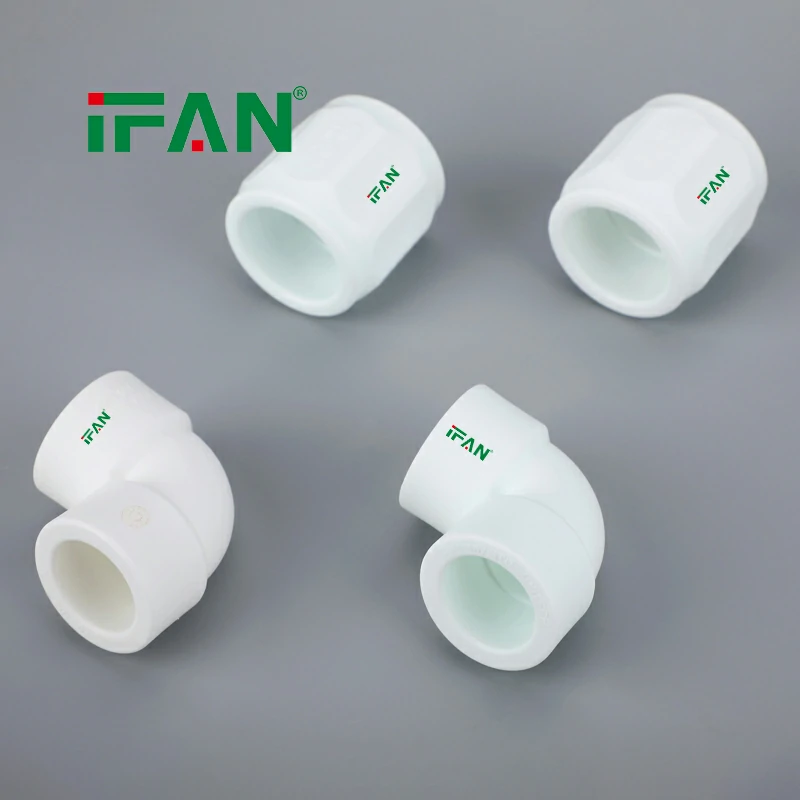
PPR will not rust, pit, or scale . This is a major advantage over metal pipes that corrode over time. Plastic PPR Pipe Fittings maintain a smooth internal surface. They are not subject to electrolysis . This ensures consistent flow and water quality.
Biofilm Formation Considerations
Studies show PPR has higher biofilm formation potential than metals. Biofilm biomass was greatest for PPR pipe compared to copper or stainless steel . Bacteria in PPR pipes develop significantly more biofilm biomass . This is an important water quality consideration, not a structural material failure.
Organic Compound Migration
PPR can initially release small amounts of organic compounds. Studies show an initial maximum migration of 0.07 mg/L TOC for PPR . This then declines to a steady level of 0.01-0.03 mg/L . This migration can consume some chlorine initially. However, levels stabilize after the initial period.
Chlorine Decay and Consumption
Different pipe materials affect chlorine residual differently. Research shows chloramine decay rates follow this order: galvanized steel > copper > stainless steel > PE > PPR . Plastic PPR Pipe Fittings actually have one of the lowest chlorine decay rates . This helps maintain disinfection throughout the system.
Bacterial Chlorine Resistance Varies
The pipe material itself does not make bacteria more resistant. Bacterial chlorine resistance did not differ significantly between materials . However, established biofilms can protect bacteria. The physiological state of bacterial cells influences their chlorine resistance .
Manufacturer Quality Assurance
Reputable manufacturers must assure disinfectant resistance. The Plastics Pipe Institute addresses this in its FAQs . They require manufacturers to maintain consistent quality control. Plastic PPR Pipe Fittings from certified sources meet these strict requirements.
Conclusion on Chlorine Resistance
Plastic PPR Pipe Fittings are resistant to chlorine in drinking water. They meet updated ASTM standards for oxidative stability. They have a low chlorine decay rate compared to some metals. However, they can support biofilm growth more than metals. For standard municipal water systems, certified PPR fittings are a reliable, durable choice for decades of service.