
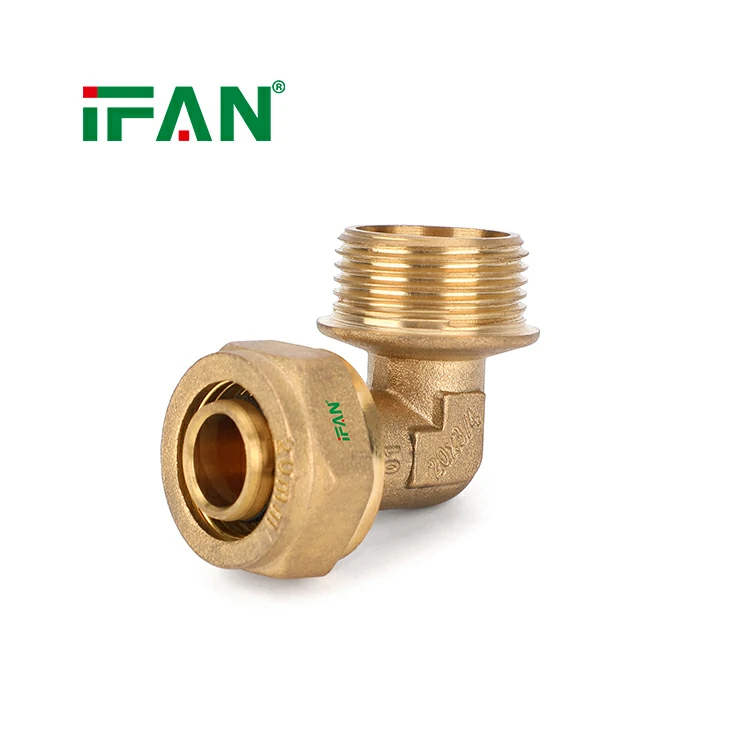
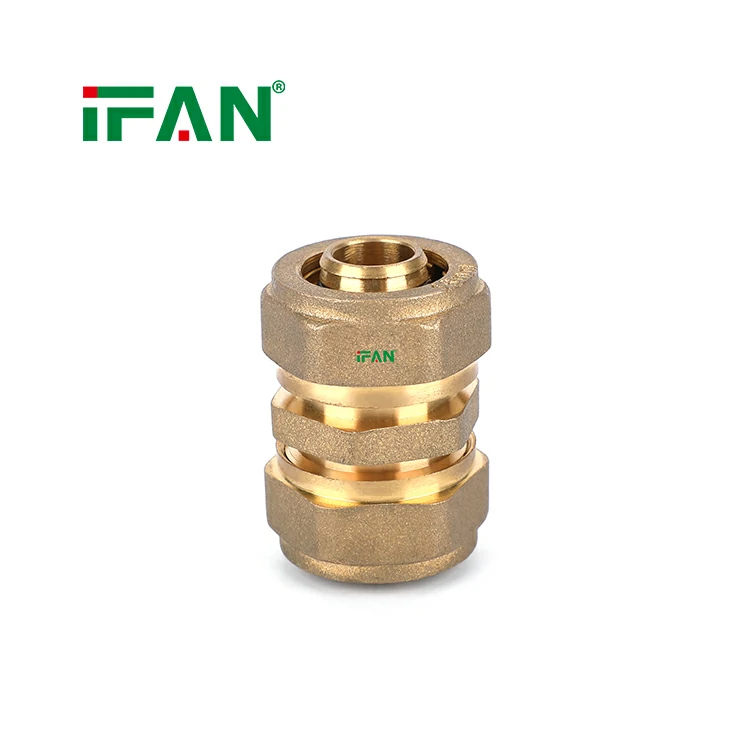
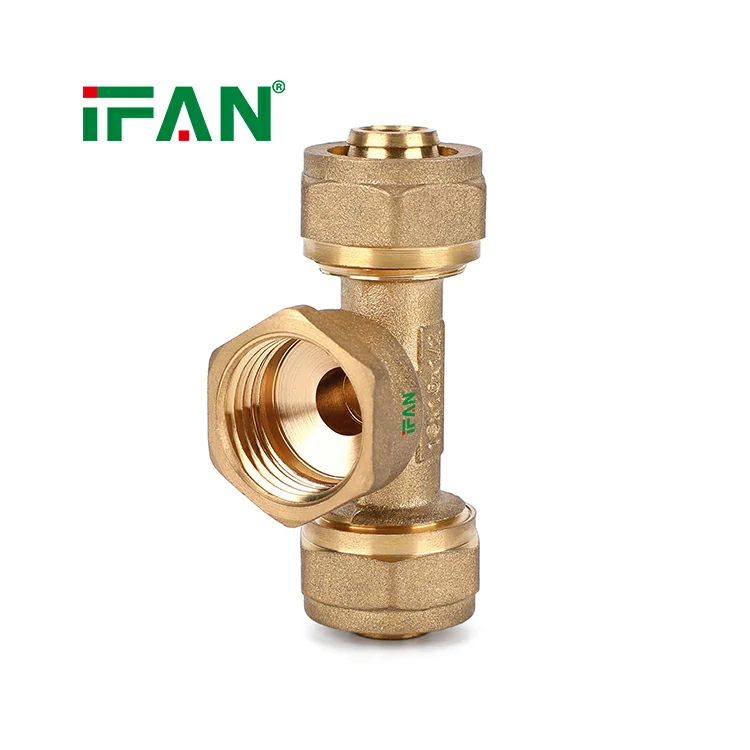
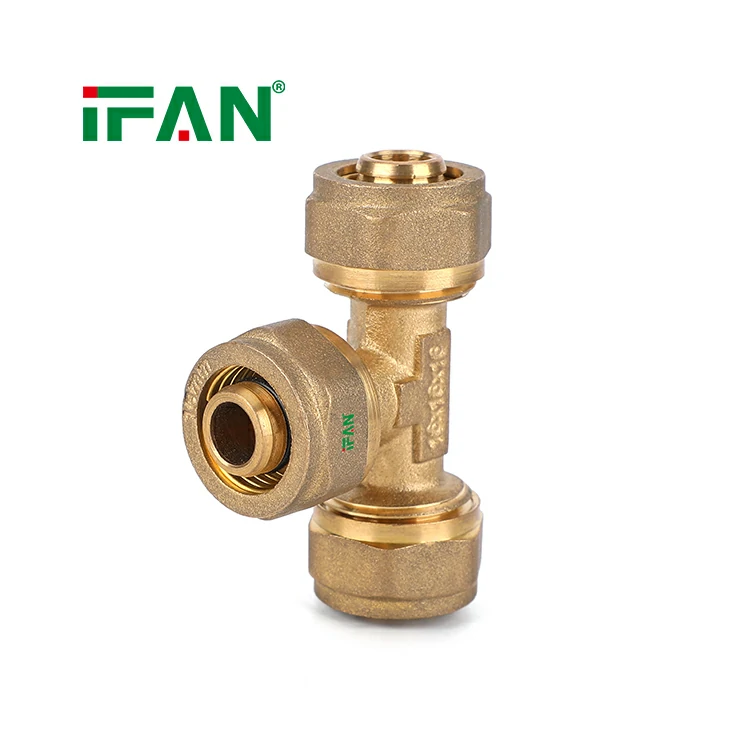
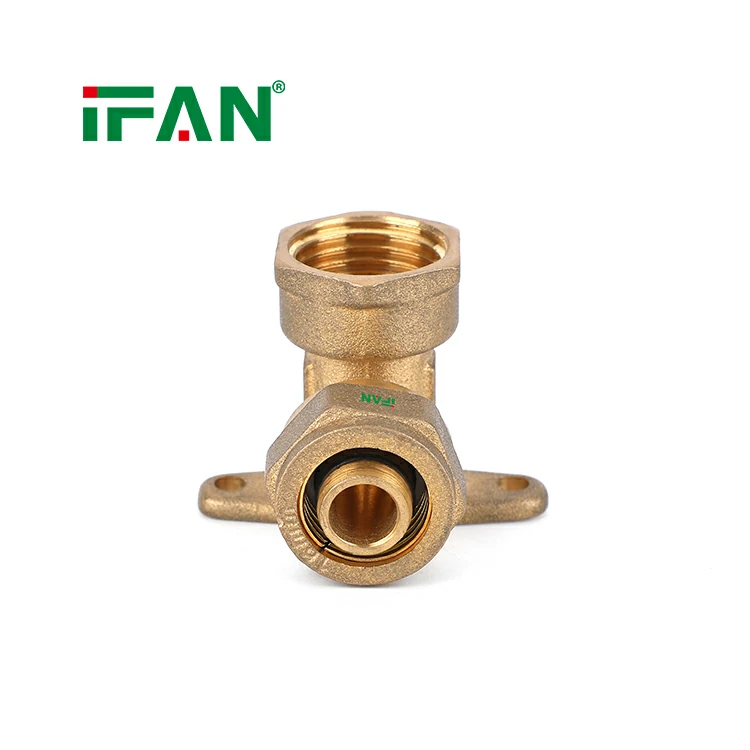
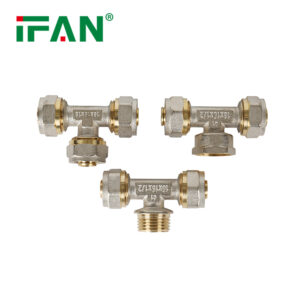
IFAN Best Selling PEX Compression Fittings
Name: IFAN PEX Compression Fittings
Brand: IFAN
Category : Click Download
Whatsapp : +86 19884503412</p>
Category : Click Download
Whatsapp : +86 19884503412
Wechat : 19884503412
Description
The Most Common Cause: Improper Pipe Preparation
The leading cause of leaks in PEX compression fittings is poor pipe preparation. If the pipe end is not cut perfectly square, the fitting cannot seal evenly. A crooked cut leaves a gap on one side of the fitting. Water will escape from that gap. A rough cut with burrs damages the internal O-ring or the brass ferrule . Clean, square cuts are essential for a leak-free joint.
Crooked Cuts and Uneven Sealing
A crooked cut is the number one error. The PEX compression fitting relies on even compression around the entire pipe circumference. If the pipe is angled, the ferrule only contacts part of the pipe . This creates a direct leak path. Always use a sharp ratcheting PEX cutter, not a hacksaw.
Burrs Damage Sealing Surfaces
Even a square cut can have burrs. These sharp plastic ridges scrape the brass ferrule. They can also cut the rubber O-ring inside the fitting. A damaged O-ring will leak immediately. Use a deburring tool to remove the sharp edge from inside and outside the pipe.
The Second Most Common Cause: Not Fully Inserting the Pipe
PEX compression fittings require the pipe to be fully seated against the internal stop. If you do not push the pipe all the way in, the ferrule will clamp onto the wrong spot . This leaves a gap between the pipe and the sealing face. The result is a guaranteed leak. Always mark the insertion depth on the pipe with a marker.
Not Using a Depth Marker
Professionals mark the pipe. Use a marker to draw a line at the exact depth of the fitting socket. When you push the pipe in, you will see the line disappear into the nut. If you see the line after tightening, the pipe is not fully seated. The joint will leak.
The Third Most Common Cause: Overtightening or Undertightening
PEX compression fittings require precise torque. Overtightening crushes the PEX pipe, deforming its round shape. This creates gaps around the deformed pipe . Undertightening does not compress the ferrule enough to create a seal. Hand-tight plus one to two wrench turns is standard.
The One to Two Turn Rule
Do not guess the torque. Hand-tighten the nut until it stops. Then, use a wrench to turn the nut one to two full rotations. You will feel significant resistance. Stop there. If you use a long wrench and apply heavy force, you will crush the pipe.
The Effect of Thermal Cycling and Vibration
PEX pipes expand and contract with temperature changes. If a PEX compression fitting is rigidly mounted, this movement can loosen the nut over time. Vibrating systems (like pumps or heat pumps) also cause the nut to back off slightly. A leak can develop months after the initial installation.
Prevention: Use Thread Locker
To prevent thermal loosening, apply a drop of low-strength thread locker to the nut threads. Do not use permanent locker. For high-vibration systems, check the nut torque during annual maintenance.
Using the Wrong Type of Ferrule
There are two standard ferrule types: brass rings and split stainless steel rings. Brass rings are for one-time use on new pipe. Split rings grip harder but damage the pipe more. Using a split stainless steel ring on a brass fitting designed for a brass ring will not seal. Always match the ferrule type to the fitting.
Reusing Old Ferrule (The DIY Mistake)
When you disassemble PEX compression fittings, the ferrule is permanently deformed . It is crushed to the exact shape of the old pipe. Installing a new pipe into the old ferrule is a common DIY error. The old ring will not compress onto the new pipe evenly. This will cause a slow drip. Always install a new ferrule.
The Pipe Was Scratched or Damaged
If the PEX pipe has deep scratches or gouges, the ferrule cannot seal. The water will travel along the scratch line. This happens if you use a utility knife to cut the pipe instead of a PEX cutter. It also happens if you force the pipe over a sharp metal edge. Cut out the damaged section and start fresh.
Fixing a Leaking Compression Fitting
If the leak is a slow weep, try tightening the nut a little more (1/8 turn). If the leak is steady or the nut is already tight, disassemble. Pull the pipe out. Inspect the ferrule and the pipe. If the ferrule is damaged, cut the pipe behind the old ferrule . Install a new fitting.
How to Disassemble Without Cutting
If the nut is stuck, use two wrenches. Spray penetrating oil on the threads. Do not try to force the nut if it is seized. If the pipe is not damaged, you may reuse the fitting body. You must still cut the old pipe to remove the crushed ferrule. A new pipe end is required.
Summary Table: Causes and Fixes
| Cause of Leak | How to Fix It |
|---|---|
| Crooked pipe cut | Recut the pipe square |
| Burrs on pipe | Deburr before assembly |
| Pipe not fully inserted | Mark depth; push to the stop |
| Overtightened nut | Cut damaged pipe; replace fitting |
| Undertightened nut | Tighten 1-2 turns past hand-tight |
| Reused old ferrule | Replace with new ferrule |
| Scratched pipe | Cut damaged section out |
| Wrong ferrule type | Match ring to fitting spec |
Most leaks in PEX compression fittings are caused by poor preparation or incorrect torque. A clean, square cut and a new ferrule will prevent 90% of failures. If a leak develops, tightening the nut may help, but if the pipe is crushed, you must cut it out and start over. With careful technique, PEX compression fittings are very reliable.
相关产品
 PEX Compression Fitting
Zurn PEX Pipe Connector
- PEX Compression Fitting
PEX Compression Male Elbow
- PEX Compression Fitting
PEX Compression Fitting Female Socket
- PEX Compression Fitting
PEX Compression Fittings Tee



HAVE ANY QUERIES? SEND TO CONTACTOANTSMACHINE.COM
ONTACT US