
Understanding Gas Line Requirements
Gas lines demand exceptional safety standards. The material must be non-sparking and corrosion-resistant. It must also form a gas-tight seal. Brass has long been used in gas systems. However, specific certifications and designs are essential.
Material Compatibility of Brass with Gas
Brass is generally compatible with natural gas. It does not react with methane or propane. It is also non-sparking, which is critical. The material resists corrosion from gas components. However, the alloy composition matters significantly.
The Need for Certified Gas Valves
Not all brass gate valves are gas-rated. The valve must carry specific certifications. Look for markings like UL (Underwriters Laboratories). CSA (Canadian Standards Association) is another mark. These indicate the valve has passed gas service tests. Certification ensures leak-tight performance.
Dezincification and Gas Applications
Dezincification is a corrosion form. It affects brass with high zinc content. Gas is dry and does not cause this. So, dezincification is not a concern. However, the valve may still be used with gas. The dry environment protects the brass.
Seal and Packing Materials for Gas
Gas valves use special packing materials. These must resist gas permeation. Standard water valve packing may leak gas. Brass gate valves for gas have specific seals. The stem packing must be gas-tight. The internal seats must also seal perfectly.
Pressure Ratings for Gas Systems
Gas systems operate at low pressure. Residential natural gas is under 0.5 psi. Propane can be slightly higher. Brass gate valves are rated much higher. Typical ratings are 125 WOG or more. This provides a large safety margin.
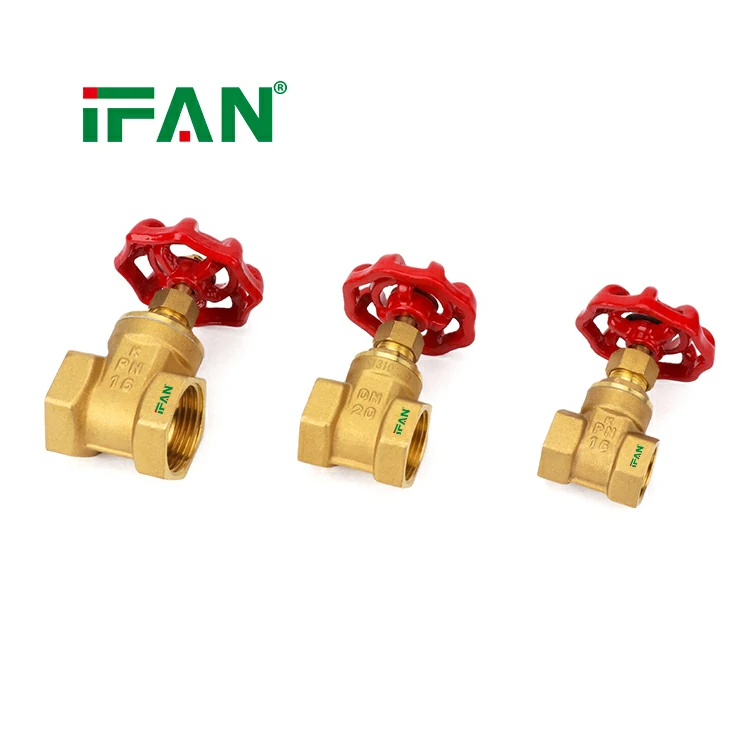
Distinguishing Gas Valves from Water Valves
Gas valves often have visual identifiers. They may have a yellow handle or markings. The valve body may be stamped “gas” or “UL”. Water valves typically have red or blue handles. Never rely on appearance alone. Always check the markings.
Common Applications in Gas Lines
Certified brass gate valves are used in many places. They serve as main gas shut-offs. They are used on appliances like furnaces. They also control gas to water heaters. Stoves and dryers use them too. Each application requires certified valves.
The Importance of Proper Installation
Installation must follow gas codes. Use only yellow gas-rated Teflon tape. Pipe dope must be approved for gas. Tighten connections securely but not excessively. Always perform a leak test after installation. Soapy water or a gas detector confirms no leaks.
Risks of Using Non-Certified Valves
Using an uncertified valve is dangerous. A tiny gas leak can cause an explosion. Gas can accumulate in confined spaces. The valve may not seal properly over time. Insurance may not cover resulting damage. Legal liability is also a concern.
Regulatory and Code Requirements
Building codes explicitly address gas valves. The International Fuel Gas Code (IFGC) applies. It requires valves to be listed for gas service. Local codes may have additional rules. Inspectors will verify proper certification. Compliance is mandatory.
Conclusion on Suitability
Yes, brass gate valves can be suitable for gas lines. They must be specifically certified for gas service. They must have gas-rated seals and packing. They must be installed according to code. Using uncertified valves is dangerous and illegal. Always choose valves with proper gas certifications for safety and compliance.