
Understanding Central Heating Demands
Central heating systems are demanding environments. They involve hot water under pressure. Temperatures can exceed 80°C (176°F). The system also experiences thermal cycling. Materials must expand and contract without failing. Compatibility with system water is crucial. Not all fittings are suitable for this.
The Brass Press Fitting Design
These fittings are made from dezincification-resistant brass. This is often called DZR or CR brass. An internal EPDM or FKM O-ring provides the seal. A stainless steel grip ring holds the pipe. A pressing tool permanently crimps the connection. This creates a robust, mechanical joint.
Excellent Temperature Tolerance
Brass Press Fittings handle heat very well. Their temperature rating is typically 100°C or more. This is far above normal central heating operating temperatures. The brass body and O-ring are designed for this. They will not degrade under standard heat loads.
High Pressure Capabilities
Central heating systems operate under pressure. Typical pressure is 1 to 2 bar. These fittings are rated for much higher pressures. They can often handle 10 bar or more at high temperatures. This provides a significant safety margin. They are more than strong enough for the task.
Resistance to Thermal Cycling
Heating systems constantly heat up and cool down. This causes pipes and fittings to expand and contract. The press connection is designed to handle this movement. The O-ring remains flexible. The grip ring maintains its hold. The joint stays secure through countless cycles.
Compatibility with System Pipes
They work with various common heating pipes. This includes hard copper and stainless steel. Some systems use multi-layer composite (MLC) pipe. Always check the fitting manufacturer’s compatibility list. Using approved pipe types is essential for a guaranteed seal.
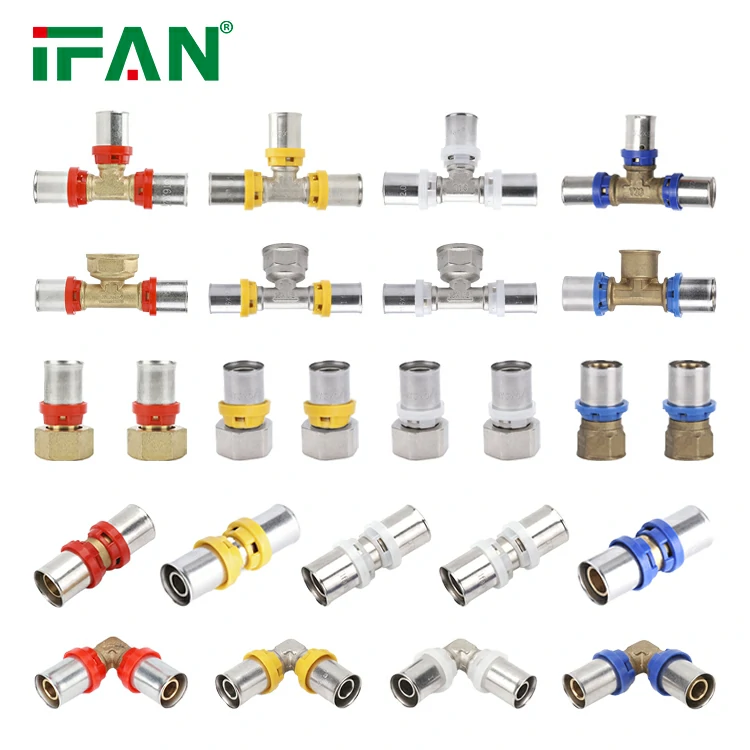
Speed of Installation Benefit
Installation speed is a major advantage. A press connection takes seconds. This is much faster than soldering. It reduces labor time on large heating projects. There is no hot work permit required. This makes installation safer and more efficient.
Long-Term Reliability and Durability
These fittings are extremely durable. The brass is corrosion-resistant. The mechanical joint does not loosen over time. When installed correctly, they last for decades. Many manufacturers offer extensive warranties. This gives installers and homeowners great confidence.
Professional Endorsement and Use
Professional plumbers use them widely. They are a standard in commercial heating projects. Their reliability is proven in the field. Major manufacturers supply dedicated heating lines. Their use is endorsed by industry bodies. They are a trusted, professional-grade solution.
Considerations for System Water Quality
System water chemistry is important. Aggressive water can affect any metal. Inhibitors should be used in all sealed systems. This protects the boiler, radiators, and fittings. DZR brass provides good general resistance. Proper system maintenance is always key.
Comparison to Traditional Methods
Compared to soldering, they offer clear benefits. There is no fire risk during installation. They are consistent and less skill-dependent. Compared to compression fittings, they are faster. They also have no parts that can be under-tightened.
The Final Verdict
Yes, Brass Press Fittings are excellent for central heating. They meet all the technical requirements for temperature and pressure. Their reliability is proven in real-world applications. They are a modern, efficient, and safe choice. Both professionals and system manufacturers approve their use. They are a superior solution for modern hydronic systems.