
Yes, they cost more
PPR-AL Stabi pipe is more expensive than standard PPR. The five-layer construction adds manufacturing costs. The aluminum layer and adhesives increase material costs. Example: expect to pay 30-50% more per meter.
Why the cost is higher
Standard PPR has a single homogeneous layer. Stabi pipe has five layers to produce. The aluminum foil and adhesives add materials. PPR-AL Stabi pipe requires more complex manufacturing.
Material cost comparison
Standard PPR is made from pure polypropylene resin. Stabi pipe adds aluminum foil and special adhesives. Aluminum and adhesives are more expensive. PPR-AL Stabi pipe has higher raw material costs.
Manufacturing process comparison
Standard PPR is extruded in a single step. Stabi pipe requires multiple extrusion stages. The process is more complex and slower. PPR-AL Stabi pipe costs more to manufacture.
Fittings cost comparison
Stabi pipe uses the same fittings as standard PPR. Fitting costs are identical. No special fittings are required. PPR-AL Stabi pipe does not add fitting costs.
Installation cost comparison
Installation time is similar for both pipe types. Stripping the aluminum adds a small step. This adds minimal labor time. PPR-AL Stabi pipe installation costs are similar.
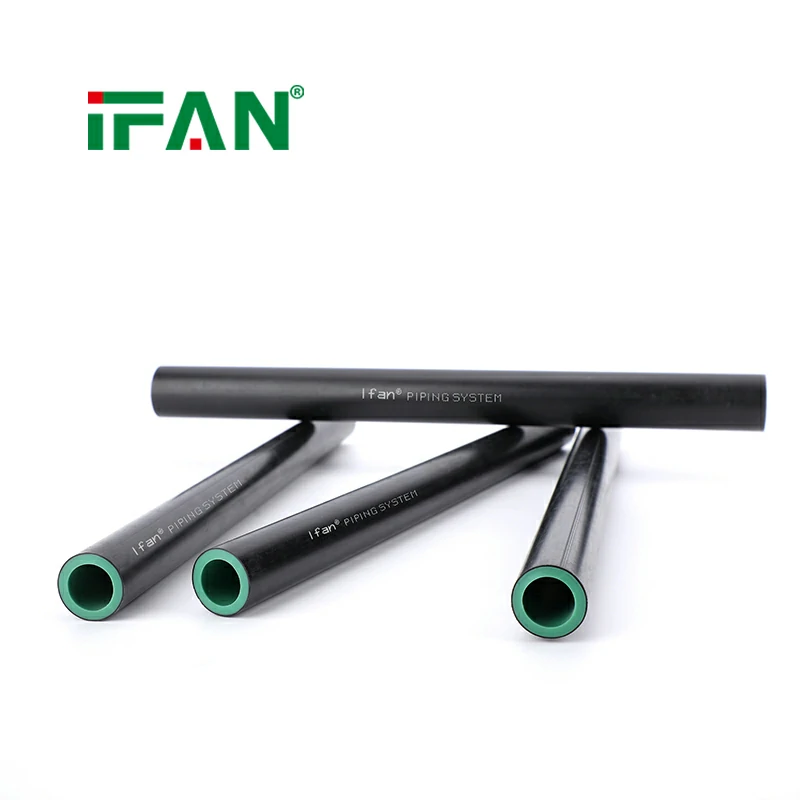
Example: 10-meter cost difference
Standard 20mm PPR costs $2.00 per meter. Stabi 20mm costs $3.00 per meter. A 10-meter run costs $20 vs $30. PPR-AL Stabi pipe costs $10 more for 10 meters.
Example: whole house cost difference
A 3-bedroom house needs 100 meters of piping. Standard PPR costs $200 for pipe only. Stabi pipe costs $300 for pipe only. PPR-AL Stabi pipe adds $100 to the material cost.
When the extra cost is justified
Stabi pipe is worth it for hot water systems. It is worth it for heating systems. It is worth it for exposed pipework. PPR-AL Stabi pipe pays for itself in performance.
Long-term value comparison
Standard PPR may need expansion loops. Stabi pipe reduces loop requirements. This saves space and installation labor. PPR-AL Stabi pipe saves money in the long run.
System protection value
Stabi pipe prevents corrosion in heating systems. This extends boiler and pump life. Replacement costs are avoided. PPR-AL Stabi pipe saves money on maintenance.
Final cost summary
PPR-AL Stabi pipes cost 30-50% more than standard PPR. The five-layer construction adds materials and manufacturing costs. Fittings and installation costs are similar. The extra cost is justified for hot water, heating, and exposed systems. Stabi pipe reduces expansion loops and protects system components. Long-term savings often offset the higher initial cost. Choose Stabi pipe for demanding applications. PPR-AL Stabi pipe is a worthwhile investment. Example: the right pipe for your hot water and heating systems.