
Yes, highly corrosion-resistant
PPR stainless steel pipes are highly resistant to corrosion. The PPR layers protect the stainless steel from external attack. The steel itself is also corrosion-resistant. Example: pipes last decades without rust.
Stainless steel corrosion resistance
Stainless steel contains chromium. This forms a passive oxide layer. The layer protects the steel from corrosion. PPR stainless steel pipes use this natural protection.
PPR chemical resistance
PPR resists many acids, bases, and salts. It is inert to most inorganic chemicals. The inner layer contacts the fluid directly. PPR SS pipes have excellent chemical resistance.
Protection of the steel layer
The outer PPR layer protects the steel from corrosion. The inner PPR layer also protects the steel. The steel is fully encapsulated. PPR stainless steel pipes steel is protected from all sides.
Resistance to aggressive water
Water with low pH can attack metal pipes. PPR is resistant to acidic water. The steel layer is protected by PPR. PPR stainless steel pipes handle aggressive water safely.
Resistance to soil chemicals
Pipes in ground contact resist soil chemicals. PPR and stainless steel resist soil attack. The pipe is suitable for underground use. PPR SS pipes are corrosion-resistant in soil.
Example: industrial chemical plant
A plant uses PPR SS pipes for chemical transport. The pipe resists acids and alkalis. The system operates without corrosion. Example: a safe, reliable chemical handling system.
Example: coastal water treatment
A coastal plant uses seawater in its processes. PPR SS pipes resist saltwater corrosion. 316 stainless steel is used for extra protection. Example: a durable, corrosion-resistant solution.
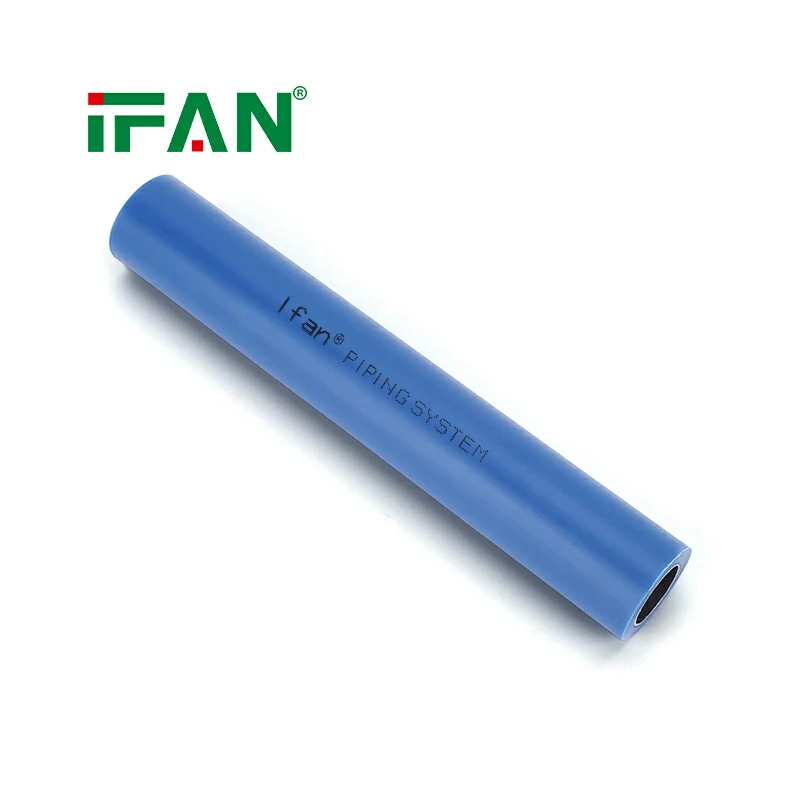
Example: underground water main
A city installs PPR SS pipes underground. The pipe resists soil corrosion. The system lasts for decades. Example: a reliable, long-lasting water main.
Resistance to organic solvents
PPR is not recommended for strong organic solvents. Benzene, toluene, and gasoline can attack the plastic. Avoid these fluids. PPR stainless steel pipes have limitations with hydrocarbons.
Temperature and chemical resistance
Higher temperatures can reduce chemical resistance. Always check compatibility at operating temperature. The PPR layer is the limiting factor. PPR SS pipes follow standard chemical resistance rules.
Final corrosion and chemical summary
PPR SS pipes are highly resistant to corrosion and chemical attack. The PPR layers protect the steel from all sides. Stainless steel has natural corrosion resistance. The pipe resists acids, alkalis, salts, and aggressive water. It resists soil chemicals for underground use. It is not suitable for strong organic solvents. Temperature affects chemical resistance. PPR stainless steel pipes are a reliable choice for aggressive environments. Example: a durable, safe piping solution.