
Introduction to Stainless Steel Manifolds
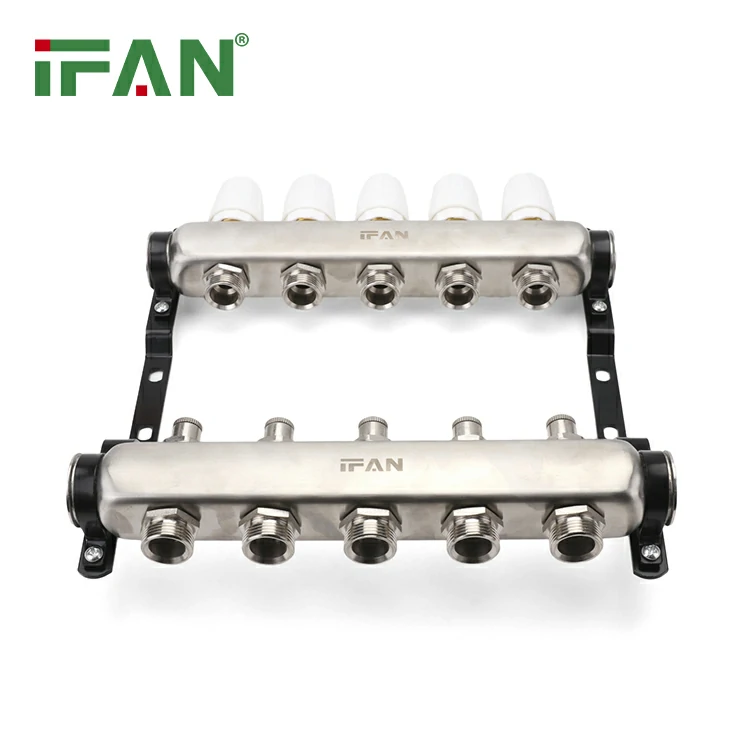
Stainless steel manifolds are widely used in gas and fluid distribution systems. They connect multiple pipelines to control flow efficiently. These manifolds are known for durability and corrosion resistance. Common applications include industrial gas systems, HVAC, and chemical processing. Compared to brass or carbon steel, stainless steel offers superior longevity. For example, GCE Group uses stainless steel in gas purging systems for high reliability.
Corrosion Resistance and Longevity
Stainless steel manifolds excel in harsh environments due to their corrosion resistance. They withstand moisture, chemicals, and high temperatures better than brass or carbon steel. This makes them ideal for marine, pharmaceutical, and food-grade applications. Properly treated stainless steel (e.g., 316L) resists chloride-induced pitting. For instance, industrial gas systems in coastal areas prefer stainless steel for extended service life.
Strength and Pressure Handling
Stainless steel manifolds handle higher pressures than many alternatives. They maintain structural integrity under extreme conditions (up to 300 bar in some models). This strength reduces leakage risks in high-pressure gas systems. In comparison, brass manifolds may deform under sustained stress. Oil and gas industries often choose stainless steel for critical pressure applications.
Hygienic and Cleanability Advantages
Stainless steel is non-porous and easy to sanitize, making it ideal for medical and food industries. It resists bacterial growth and chemical absorption. Unlike carbon steel, it doesn’t require protective coatings. Pharmaceutical plants use stainless steel manifold to maintain sterile conditions. This ensures compliance with FDA and ISO cleanliness standards.
Cost Considerations and Economic Value
While stainless steel manifold costs more upfront, their longevity justifies the investment. They require less maintenance and replacement than brass or carbon steel. Over time, reduced downtime and repair costs improve ROI. For example, chemical plants using stainless steel report lower lifecycle expenses despite higher initial prices.
Thermal and Chemical Stability
Stainless steel manifolds perform well in extreme temperatures (-20°C to 400°C). They resist thermal expansion better than plastics. In chemical processing, they endure aggressive solvents without degradation. GCE Group’s gas systems use stainless steel for stable performance in fluctuating conditions.
Comparison with Alternative Materials
Brass manifolds are cheaper but less durable in corrosive settings. Carbon steel requires coatings to prevent rust. Plastics (like PVC) lack strength for high-pressure use. Stainless steel balances cost, durability, and performance. For example, in gas distribution, stainless steel outperforms brass in longevity.
Conclusion: Are Stainless Steel Manifolds the Best Choice?
Yes, stainless steel manifolds are often superior for demanding applications. Their corrosion resistance, strength, and hygiene make them ideal for many industries. While costlier initially, their durability ensures long-term savings. For critical systems like gas distribution or chemical processing, stainless steel remains the optimal choice.