
Understanding the Fitting Type
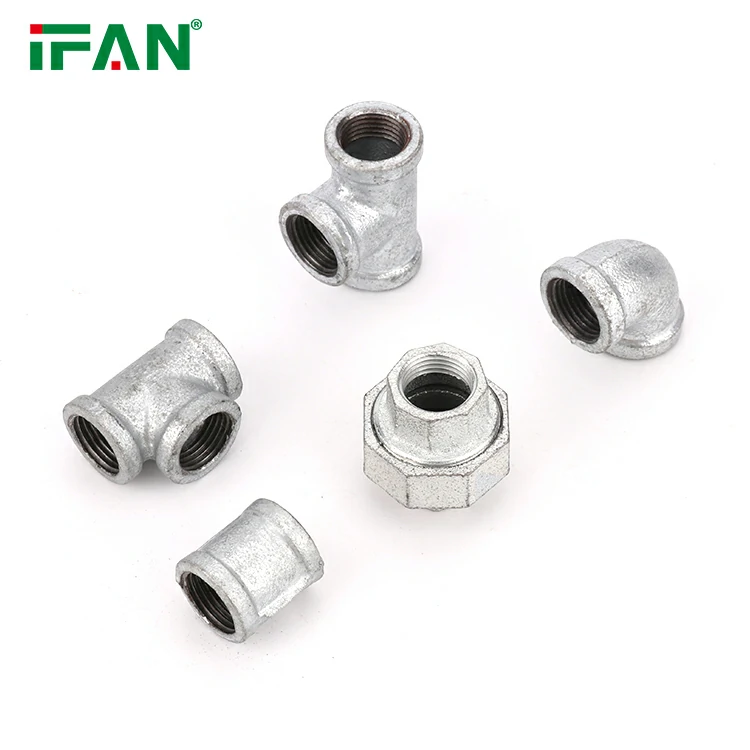
“Ma steel” often means malleable iron. These are heavy-duty fittings. They have tapered pipe threads. This is called National Pipe Taper (NPT). The threads themselves are the seal. But they are not perfect alone. A sealant is always necessary.
The Purpose of Pipe Thread Sealants
Tapered threads create a mechanical lock. They do not create a perfect seal. Small gaps exist between the thread peaks. Liquid or gas can leak through these paths. A sealant fills these microscopic gaps. It prevents leaks effectively. It also lubricates the threads.
Teflon Tape as a Sealant
Teflon tape is a common choice. It is made from PTFE material. This tape is wrapped around the male threads. It fills the voids between the threads. It also makes threading easier. This reduces the risk of galling. It is a very popular option.
Alternative Thread Sealants
Paste sealant is another good option. It is a liquid or gel compound. You brush it onto the male threads. It fills gaps just like tape does. Some types can seal even under pressure. Paste is often easier for beginners. It avoids tape wrapping mistakes.
Why Sealant is Crucial for Metal
Metal threads are hard. They cannot deform easily. Plastic threads can compress slightly. Metal needs a separate sealing material. Without it, a leak is very likely. This is true for all metal pipe fittings. Ma Steel Fittings are no exception to this rule.
Proper Application of Teflon Tape
Start at the second thread from the end. Wrap the tape clockwise. Look from the end of the fitting. Overlap each wrap by half the tape’s width. Use about 4 to 6 wraps total. Cover all threads up to the start. Do not cover the first thread.
Common Taping Mistakes to Avoid
Do not wrap tape counter-clockwise. This will unravel when you screw the fitting in. Do not put tape on the first thread. This can cause tape shredding inside the pipe. Avoid using too much tape. Excess tape can clog the system.
Comparing Tape and Paste Sealants
Tape is clean and easy to remove. Paste is better for larger thread gaps. Paste can be used on slightly damp threads. Tape requires a dry surface. For high-vibration areas, paste may be superior. The choice often depends on personal preference.
Installation Torque and Tightening
Sealant allows for proper tightening. Screw the fitting in hand-tight first. Then use a wrench for the final turns. Typically, turn two or three more turns. The sealant ensures a tight metal-to-metal contact. Do not over-tighten the fitting.
Pressure Testing the Connection
Always test your work when possible. Pressurize the system slowly. Check the connection for any leaks. A small drip means more sealant was needed. You must drain the system to fix it. A proper seal will be completely dry.
Specifics for Gas and Water Lines
Both applications need a sealant. Gas lines often require a specific type. Use a yellow gas-rated Teflon tape. For water lines, standard white tape is fine. Always follow local plumbing codes. Safety is the most important factor.
Final Recommendation
Yes, you absolutely need a sealant. Ma Steel Fittings require Teflon tape or paste. This is a standard industry practice. It ensures a leak-free, reliable connection. Never rely on the metal threads alone. Proper installation guarantees long-term performance.