
Core Material Composition
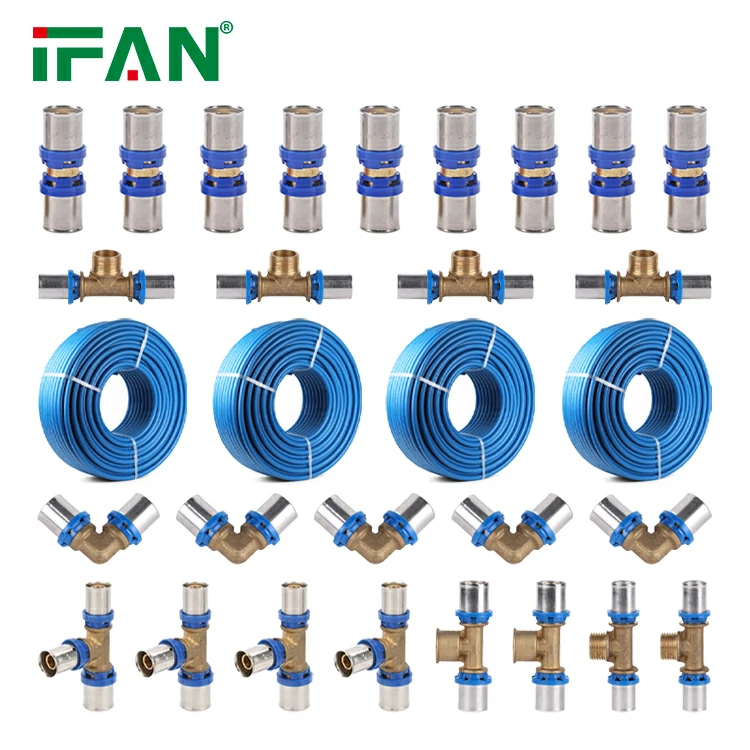
The materials are fundamentally different. Brass Press Fittings are made from metal. PEX is cross-linked polyethylene plastic. PVC is polyvinyl chloride plastic. Each material has unique properties. Brass offers high strength and thermal conductivity. PEX is flexible and freeze-resistant. PVC is rigid and chemically resistant.
Primary Installation Methods
Installation techniques vary greatly. Brass press fittings require a specialized tool. This tool crimps the fitting permanently. PEX systems use crimp, clamp, or expansion rings. These also need specific tools. PVC uses solvent cement for chemical welding. Each method has a different skill curve.
Temperature and Pressure Ratings
Brass handles high heat and pressure best. It is ideal for central heating and main lines. PEX is rated for high pressure but lower heat. It works well for domestic hot water. PVC has the lowest temperature tolerance. It is mostly for cold water and drainage.
Corrosion and Chemical Resistance
PVC is best for corrosive chemicals. It will not rust or corrode. PEX is also highly resistant to scale and corrosion. Brass can corrode in aggressive water conditions. Dezincification-resistant (DZR) brass mitigates this. Plastic systems win in highly corrosive environments.
Flexibility and System Design
PEX is the most flexible material. It can bend around corners easily. This reduces the number of fittings needed. PVC and brass systems are rigid. They require an elbow fitting for every turn. PEX allows for faster, cleaner layouts in tight spaces.
Long-Term Durability and Aging
Brass has a proven century-long lifespan. It is durable against physical impact. PEX is durable but can be degraded by UV light. PVC can become brittle with age and UV exposure. All are durable when installed correctly within their limits.
Cost Analysis: Material and Labor
PVC is the least expensive material cost. PEX tubing is cheap, but fittings add cost. Brass Press Fittings have a high material cost. However, installation labor for press systems is lower. The total installed cost often balances out. Project scale affects this calculation.
Ease of Modification and Repair
PEX and press systems allow for easy fixes. A PEX line can be cut and a new coupling added. A press fitting can be cut out and a new one pressed in. Repairs require a simple tool. Solvent-welded PVC is the least repairable. Changes often require completely new glued sections.
Flow Characteristics and Pressure Drop
Inner diameter is crucial for flow. Brass Press Fittings typically have a full flow design. This minimizes pressure loss. Some PEX fittings have a reduced inner diameter. This can restrict flow slightly. Smooth PVC pipes also offer excellent flow characteristics.
Application Suitability Summary
Choose brass for high-heat, high-pressure core systems. It is perfect for boiler connections and commercial use. PEX excels in whole-house water distribution. It is great for retrofits and branched layouts. PVC is ideal for drain lines and irrigation. It is also used for pool plumbing and chemical transport.
Code Acceptance and Permitting
All three systems are widely code-approved. PVC is accepted for drainage and cold water. PEX is accepted for hot and cold potable water. Brass Press Fittings are approved for both water and gas lines. Always check your local building code amendments. Some jurisdictions have specific restrictions.
Final Comparative Assessment
There is no single “best” system. Each excels in its intended role. Brass Press Fittings offer speed and metal strength. PEX provides flexibility and freeze tolerance. PVC guarantees corrosion resistance at low cost. The choice depends on your specific project needs, budget, and local conditions. A hybrid approach often yields the optimal result.