
Understanding PE Joining Methods
Polyethylene (PE) pipes need secure connections. Three main methods are widely used. These are compression, butt fusion, and electrofusion. Each method suits different project needs. The choice impacts cost, speed, and permanence.
Defining PE Compression Fittings
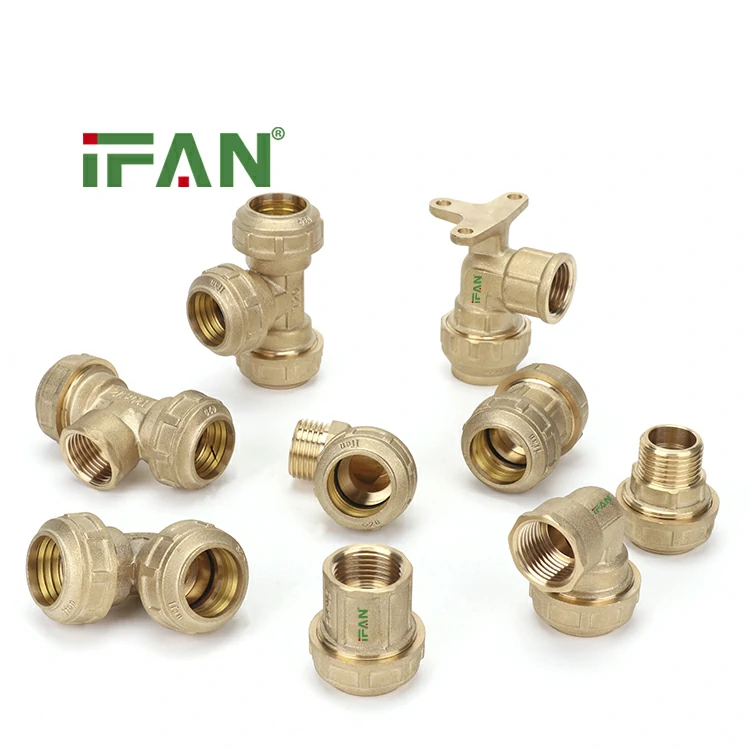
These are mechanical fittings. They use nuts, rings, and grippers. Tightening compresses a seal onto the pipe. No heat or electricity is required. They create a strong, leak-proof joint. They are removable and reusable in theory.
The Butt Fusion Process Explained
This method uses heat and pressure. Pipe ends are heated with a plate. They are then pressed together. The polyethylene melts and fuses. It forms a continuous, monolithic joint. The joint is as strong as the pipe itself.
The Electrofusion Process Explained
This uses fittings with embedded wires. An electrical current heats the interface. The pipe and fitting melt together. It creates a homogeneous fusion joint. The process is controlled by a specialist machine. It is precise and reliable.
Installation Speed and Labor Comparison
PE compression fittings are the fastest to install. They require only hand tools. Butt fusion needs machine setup and heating time. Electrofusion needs electrical setup and cooling time. For quick repairs, compression is superior. For long runs, fusion is more efficient.
Skill Level and Training Requirements
Compression fittings need minimal training. Basic mechanical skill is sufficient. Butt fusion requires certified operators. Electrofusion also needs specific training. Fusion methods have a steeper learning curve. Compression allows for wider installer use.
Permanence and Joint Integrity
Fusion joints are permanent. They are considered “leak-free” for life. Compression joints are mechanical. They can potentially loosen over decades. Vibration or thermal cycling may affect them. Fusion offers the highest integrity for buried lines.
Equipment Cost and Portability
Compression tooling is inexpensive and portable. A simple wrench set is often enough. Butt fusion machines are large and costly. Electrofusion units are also expensive. Compression is ideal for remote or small jobs. Fusion is for large, dedicated crews.
Suitability for Different Pipe Sizes
Compression works well on small diameters. It is common for pipes up to 63mm. Butt fusion excels on large diameters. It is standard for mains over 110mm. Electrofusion is versatile for all sizes. It is especially good for service connections.
Resistance to Ground Movement and Stress
Butt fusion joints are very flexible. They can withstand bending and ground shifts. Electrofusion joints are also robust. PE compression fittings are more rigid. They may stress under constant movement. Fusion is better in unstable soils.
Application in Pressurized vs. Non-Pressurized Systems
All methods work for pressure. Fusion is preferred for high-pressure mains. Electrofusion is trusted for gas distribution. PE compression fittings are common in irrigation. They are also used for lower-pressure water lines. The pressure rating guides the choice.
Making the Informed Choice
Choose compression for speed and simplicity. Choose butt fusion for large, permanent mains. Choose electrofusion for precise, versatile connections. PE compression fittings have a vital role. They are not inherently inferior, just different. The correct method depends on project specifics, budget, and long-term performance requirements.