
Identifying the Leak Source
First, determine exactly where the leak is. Is it from the handle stem? Is it from the threaded spout? Or is the body itself cracked? Dry the PPR bibcock completely with a rag. Watch closely to see where water appears. This guides your repair approach.
Common Causes of Leaks
Worn O-rings or seals are frequent culprits. Debris caught in the seat causes dripping. Loose threaded connections allow seepage. The ceramic cartridge may be damaged. Cracks from freezing can occur. Identifying the cause is the first step.
Safety First: Shut Off Water
Always shut off the water supply first. Close the isolation valve upstream. If none exists, shut off the main valve. Open the bibcock to relieve pressure. Place a bucket underneath. Be prepared for some residual water.
Tightening the Packing Nut
Many bibcocks have a packing nut under the handle. If the leak is from the stem, try tightening it. Use a wrench to turn it clockwise slightly. A quarter-turn may stop a minor weep. Do not overtighten, as this can bind the handle.
Replacing Stem O-Rings
If tightening doesn’t work, replace the O-rings. Remove the handle screw and pull off the handle. Unscrew the packing nut carefully. Extract the old O-rings with a pick. Take them to a hardware store for matching. Lubricate new rings with silicone grease and reassemble.
Cleaning Debris from the Seat
Sometimes debris prevents the valve from closing fully. Turn the water supply on and off rapidly. This may flush out small particles. If not, you may need to remove the cartridge. Clean any debris from the sealing surfaces carefully.
Replacing the Ceramic Cartridge
Many modern PPR bibcock units use a ceramic cartridge. These are not repairable; they must be replaced. Remove the handle and unscrew the bonnet. Pull out the old cartridge. Take it to a plumbing supplier for an exact match. Insert the new cartridge and reassemble.
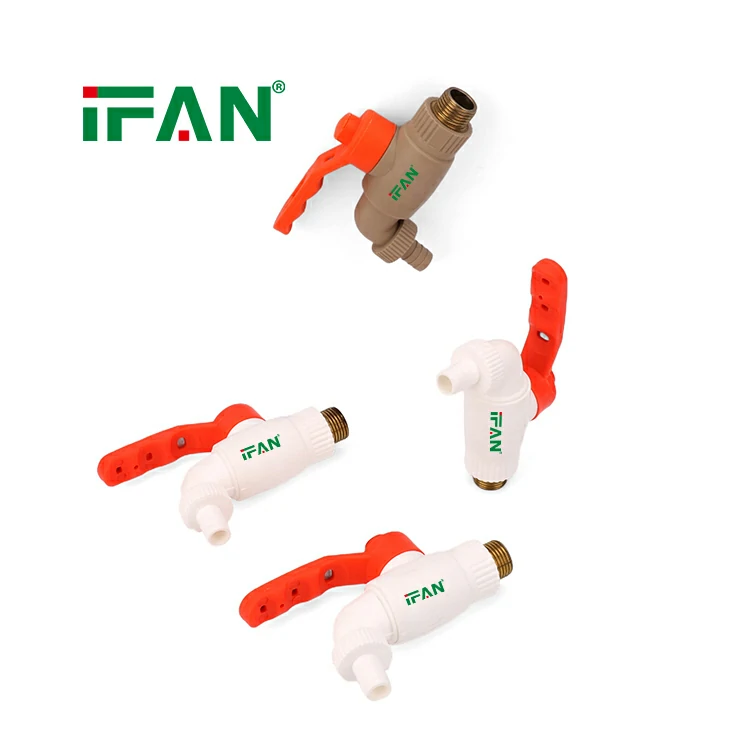
Dealing with Threaded Spout Leaks
A leak from the spout where a hose attaches is common. The hose washer may be worn or missing. Replace the rubber washer inside the hose end. If the spout threads are damaged, use Teflon tape. Wrap it clockwise around the spout threads.
Body Cracks: No Repair Possible
A crack in the PPR body is a serious failure. This cannot be repaired reliably. The crack will only grow under pressure. Patching or gluing is not safe. The entire PPR bibcock must be replaced. This is the only reliable solution for body cracks.
Removing the Old Bibcock
If replacement is needed, cut the PPR pipe. Leave enough straight pipe for a new fitting. Use a PPR pipe cutter for a clean cut. Clean the pipe end thoroughly. Remove all old material from the pipe surface.
Installing a New Bibcock
Select a new PPR bibcock of the correct size. Dry-fit to check alignment. Mark insertion depths on the pipe. Apply heat fusion welding according to standard practice. Insert the pipe fully and hold until the joint cools. Wait for proper curing before pressure testing.
Preventing Future Leaks
Regular maintenance prevents many leaks. Exercise the handle periodically to keep seals free. Use a hose washer and avoid overtightening the hose. Drain the bibcock before freezing weather. Install an indoor shut-off valve for winter isolation.
Conclusion on Repair Strategies
Repairing a leaking PPR bibcock is often possible. Stem O-rings and cartridges are common replacement parts. Debris can be flushed from the seat. Threaded spout leaks are usually just washers. However, body cracks require complete replacement. Proper maintenance and winterization prevent most leaks. When repairing, always use quality replacement parts matched to your specific bibcock model.