
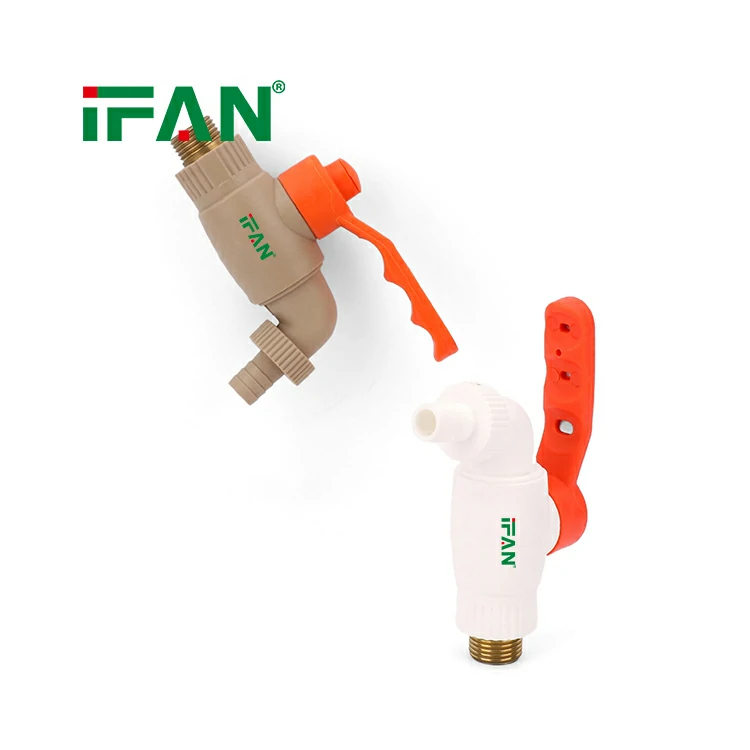
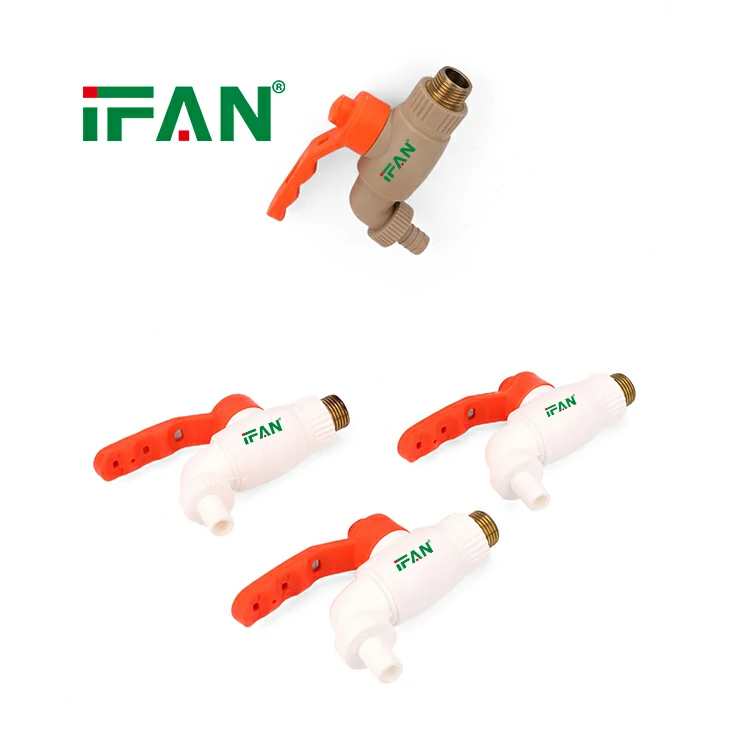
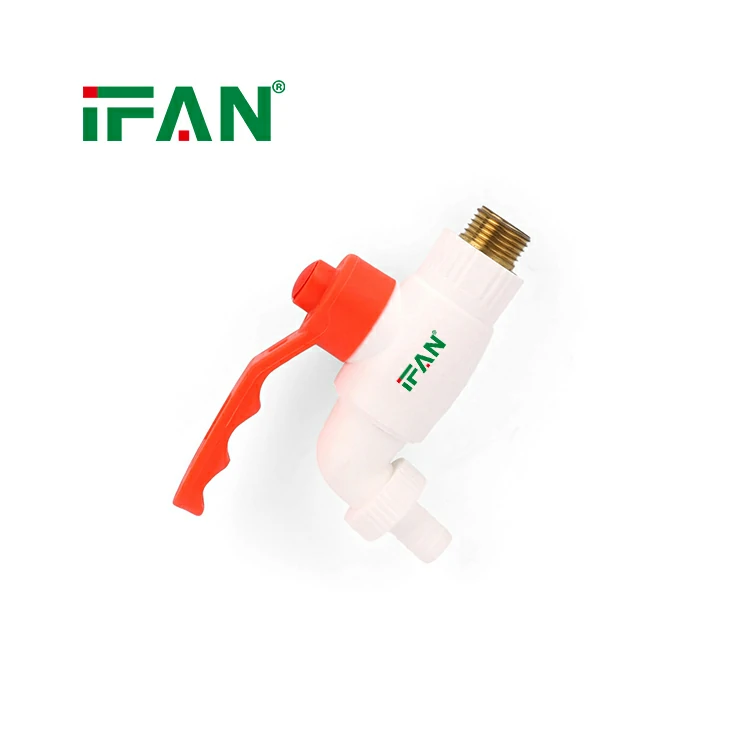
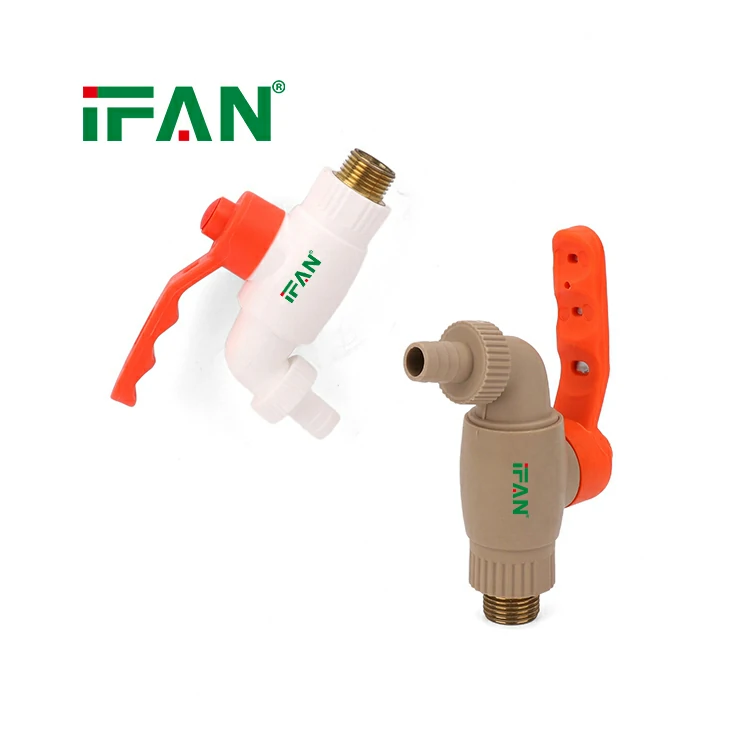
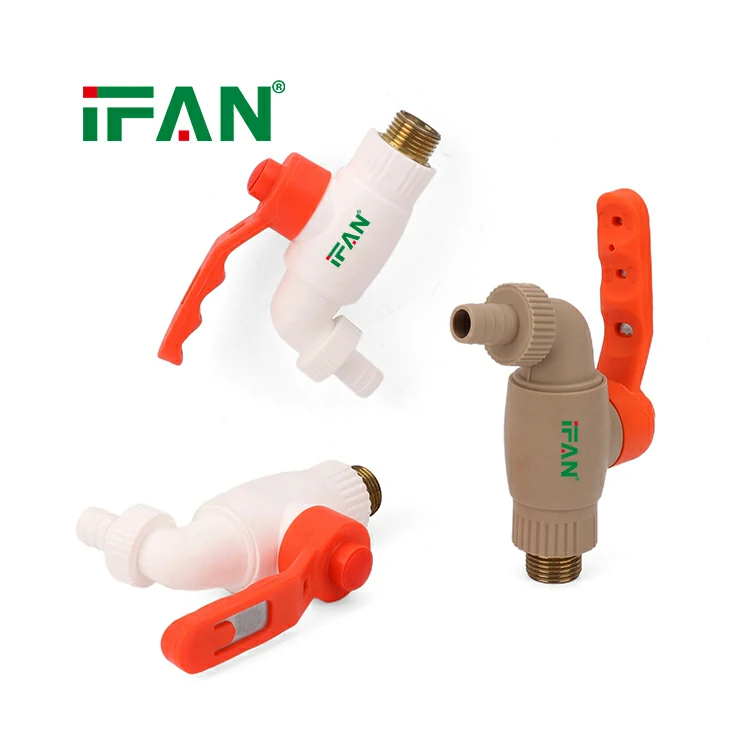
IFAN Competitive Prices PPR Bibcock
Category : Click Download
Whatsapp : +86 19884503412
Wechat : 19884503412
Description
Understanding the PPR Bibcock Design
A PPR bibcock is a water outlet valve. Its body is made from polypropylene random copolymer. This material is specifically engineered for plumbing systems. The design includes a handle and a spout. It connects to PPR piping via heat fusion.
The Core Material: PPR Properties
PPR stands for Polypropylene Random Copolymer . It is a thermoplastic with unique characteristics. It offers high impact strength and chemical resistance . The material is also non-toxic and lead-free . These properties make it ideal for water systems.
Temperature Resistance of PPR
PPR is designed to withstand significant heat. It can handle continuous temperatures up to 70-75°C . Short-term exposure to higher temperatures is also possible. This range covers typical residential hot water needs. Standard hot water heaters output at 60°C.
Cold Water Performance
Cold water applications are not challenging. PPR performs excellently at low temperatures. The material does not become brittle. It maintains its strength and flexibility. A PPR bibcock works perfectly for cold supply lines.
Certified for Hot and Cold Systems
Manufacturers specifically rate PPR bibcocks for both. Product specifications list temperature ranges . They are suitable for hot and cold water systems . This is a standard claim across the industry. It is verified through testing.
Industrial and Residential Examples
In homes, PPR bibcock units serve kitchens and bathrooms . They deliver hot water for cleaning and cooking. They also supply cold water for drinking. In industrial settings, they handle process water . This includes heated water in factories.
The 75°C Operating Limit
Specific products list a maximum of 75°C . This is the safe continuous operating limit. Temperatures exceeding this may degrade the material. This is well above standard hot water temperatures. It provides a comfortable safety margin.
Comparison to Brass Bibcocks
Brass bibcocks also handle hot and cold water. However, brass has corrosion risks with aggressive water . PPR bibcock units have no corrosion risk. They do not leach metals into the water . This is a significant health advantage.
Internal Components and Seals
The PPR body is only one part. The internal mechanism matters too. Many PPR bibcocks use ceramic cartridges. These handle both temperatures effectively. Rubber seals are EPDM or similar materials. These are also rated for hot water.
Longevity at Elevated Temperatures
PPR systems have a proven long-term lifespan. They are rated for over 50 years at 70°C and 1.0MPa . This is under continuous hot water flow. A PPR bibcock shares this durability. It will not degrade prematurely from heat.
Practical Installation Considerations
When installing, consider the supply lines. Connect the PPR bibcock to both hot and cold sources. A mixing valve may be needed in some applications. The bibcock itself controls flow, not temperature. The source water determines the temperature delivered.
Conclusion on Temperature Suitability
Yes, a PPR bibcock is suitable for both hot and cold water. The material is rated for temperatures up to 75°C. This covers all standard residential and commercial needs. It is corrosion-resistant and non-toxic. For reliable, dual-temperature water delivery, the PPR bibcock is an excellent choice .
相关产品
 PPR Fitting
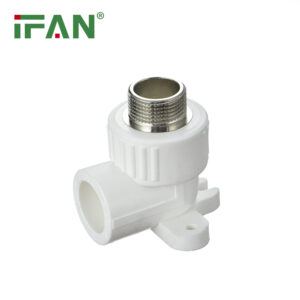
White PPR male Elbow With Seat
- PPR Fitting
white PPR 45°Elbow
- PPR Fitting
White PPR Female Elbow Fittings
- PPR Fitting
White PPR Male Socket



HAVE ANY QUERIES? SEND TO CONTACTOANTSMACHINE.COM
ONTACT US