
Description
Introduction to PPR Piping
PPR (Polypropylene Random Copolymer) piping is widely used in plumbing systems.
It is known for its high pressure and temperature resistance.
These pipes are commonly used for hot and cold water distribution.
They are lightweight, corrosion-resistant, and long-lasting.
Proper installation requires precise cutting of the pipe.
That’s where a dedicated tool, known as a PPR cutter, comes in.
This tool ensures clean, straight cuts essential for strong joint connections.
Without accurate cutting, welding and sealing may become unreliable.
So, understanding the PPR cutter’s function is critical to quality installations.
What Is a PPR Cutter?
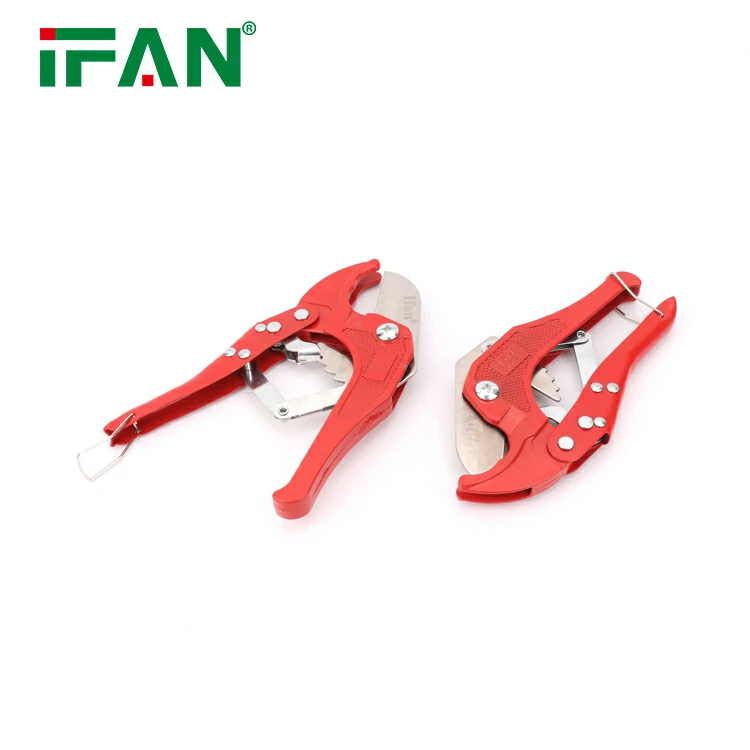
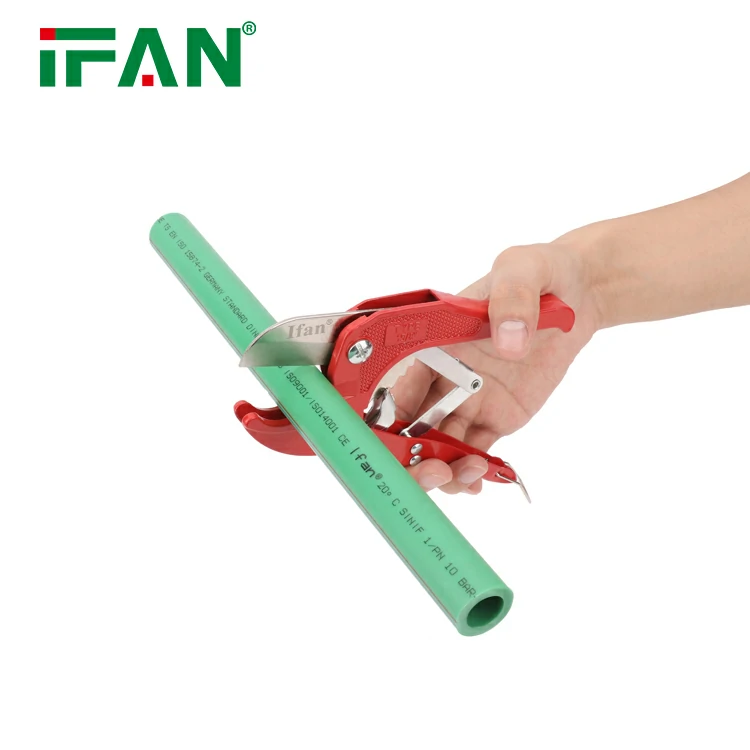
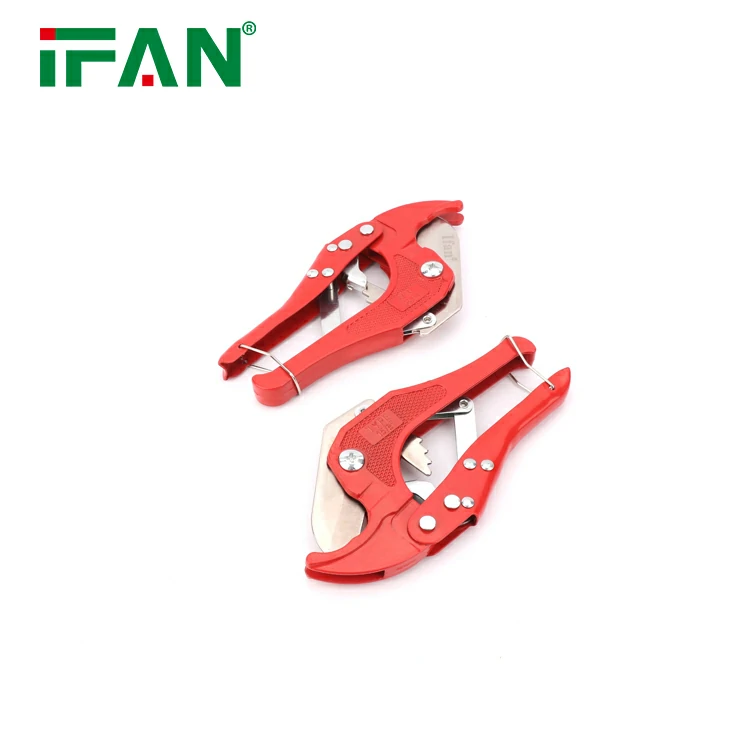
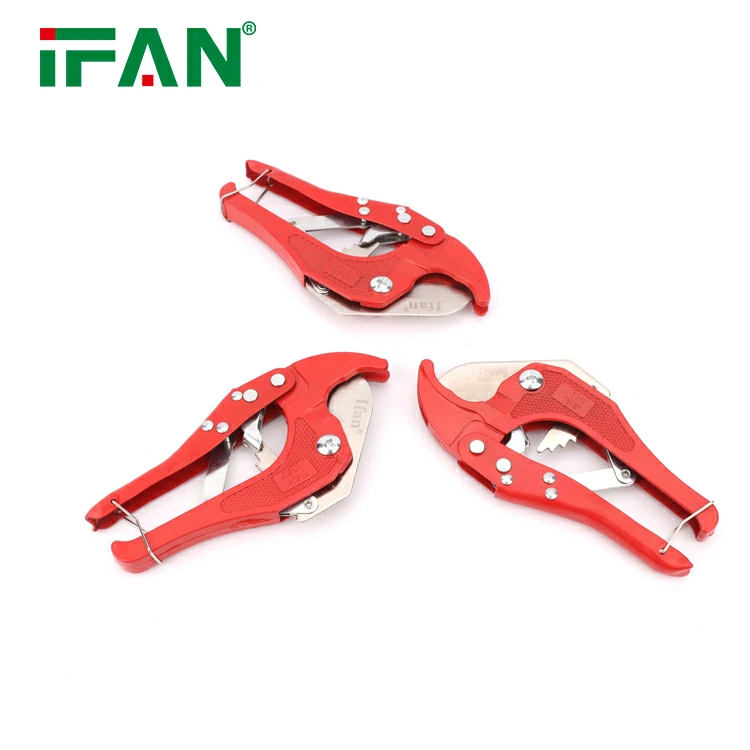
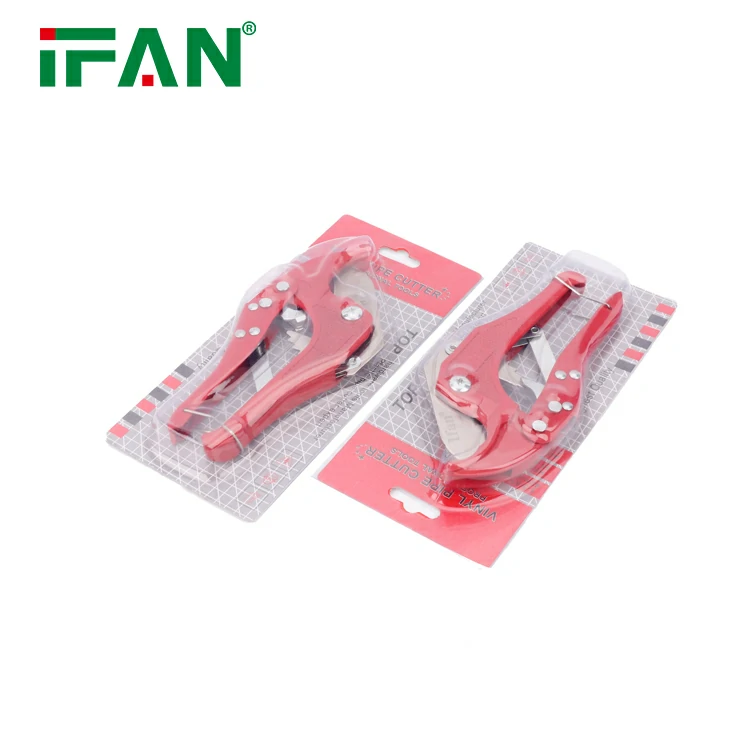
A PPR cutter is a hand-held tool designed to cut PPR pipes accurately.
It usually features a sharp stainless-steel blade for smooth performance.
The cutter creates a clean edge without crushing or deforming the pipe.
It helps installers maintain pipe roundness, important for socket welding.
Most cutters resemble pruning shears or rotary tools in structure.
The handle provides grip while the blade slices through the pipe wall.
Some models use ratcheting mechanisms for easier cutting of thicker pipes.
Using the proper cutter improves productivity and reduces waste.
PPR pipe installation professionals consider this tool indispensable.
Types of PPR Cutters
PPR cutters come in various designs, each suited to different pipe sizes.
The most common is the manual shear-type cutter for pipes under 63mm.
It uses a straight, single-action blade to slice small-diameter pipes.
For larger pipes, ratchet-style cutters offer mechanical advantage.
They apply incremental force through a lever system for effortless cutting.
Rotary wheel cutters are another option, mainly used in industrial settings.
They work by rotating around the pipe and gradually cutting through.
Each type of cutter has its own benefits depending on the application.
Choosing the right cutter saves time and prevents cutting errors.
Why Not Use a Saw or Knife?
Traditional tools like saws or knives are not suitable for PPR pipes.
They create uneven, jagged edges that interfere with welding.
Burrs or rough cuts can cause poor fusion and eventual leaks.
Saws also generate heat and dust, which may damage the material.
Moreover, cutting with a knife is physically demanding and imprecise.
A PPR cutter provides a professional finish without requiring rework.
The clean, perpendicular cut it makes is crucial for strong connections.
For reliable performance, the cutter must always be sharp and clean.
Installers avoid other tools to maintain consistency and safety.
How to Use a PPR Cutter
Using a PPR cutter is simple with a few easy steps.
First, mark the cutting length on the pipe using a marker.
Place the pipe into the cutter’s jaws, aligning the blade properly.
Apply steady pressure to squeeze or ratchet the handle.
Let the blade complete a full, clean cut through the pipe.
Do not twist or pull the pipe while cutting.
Inspect the cut surface to ensure it is flat and square.
Remove any dust or debris before proceeding to welding.
A properly used cutter extends pipe lifespan and installation quality.
Maintenance and Blade Care
To ensure long-term performance, cutter maintenance is essential.
After each use, wipe the blade clean with a soft cloth.
Avoid moisture buildup that could lead to blade corrosion.
If the blade becomes dull, replace or sharpen it as needed.
Lubricate any moving joints to prevent rust and jamming.
Store the cutter in a dry place away from direct sunlight.
Some cutters come with replaceable blade cartridges for convenience.
Never use the cutter on materials it’s not designed for.
Proper care helps maintain the cutter’s efficiency and durability.
Cutter Safety Tips
Safety is important when working with sharp cutting tools.
Always wear gloves to protect hands from accidental slips.
Make sure the pipe is firmly secured before cutting.
Do not use excessive force if the blade feels stuck.
Inspect the cutter before each use for loose parts or damage.
Keep fingers away from the blade path at all times.
Use the right size cutter for the pipe diameter.
Do not allow untrained personnel to handle the cutter.
Following safety protocols helps prevent injuries on-site.
Practical Applications and Conclusion
PPR cutters are used in residential, commercial, and industrial settings.
Plumbers rely on them for water supply and heating system installations.
They are also used in chemical transport and compressed air systems.
Precision in pipe cutting translates to secure joints and longer system life.
Whether working on small-scale plumbing or large projects, the cutter is vital.
Its reliability and performance make it a core tool in the trade.
As PPR piping becomes more popular, the demand for quality cutters grows.
A well-chosen, well-maintained cutter ensures installation success.
For any project involving PPR, the cutter is the first step to quality.
Conclusion
Understanding the function and importance of a PPR cutter improves work efficiency and joint reliability.
With proper use, care, and safety, it becomes an essential asset in any piping professional’s toolkit.
相关产品
 Pipe Hand Cutter
IFAN OEM ODM PPR Handle Cutter
- Pipe Hand Cutter
IFAN Pipe Cutter
- Pipe Hand Cutter
Pipe Cutter



HAVE ANY QUERIES? SEND TO CONTACTOANTSMACHINE.COM
ONTACT US