
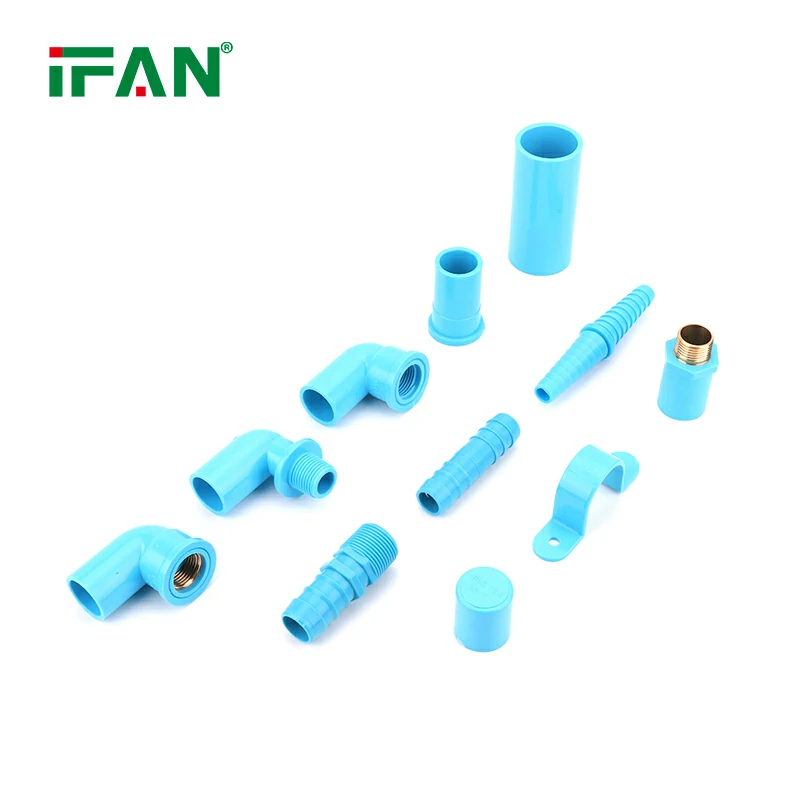
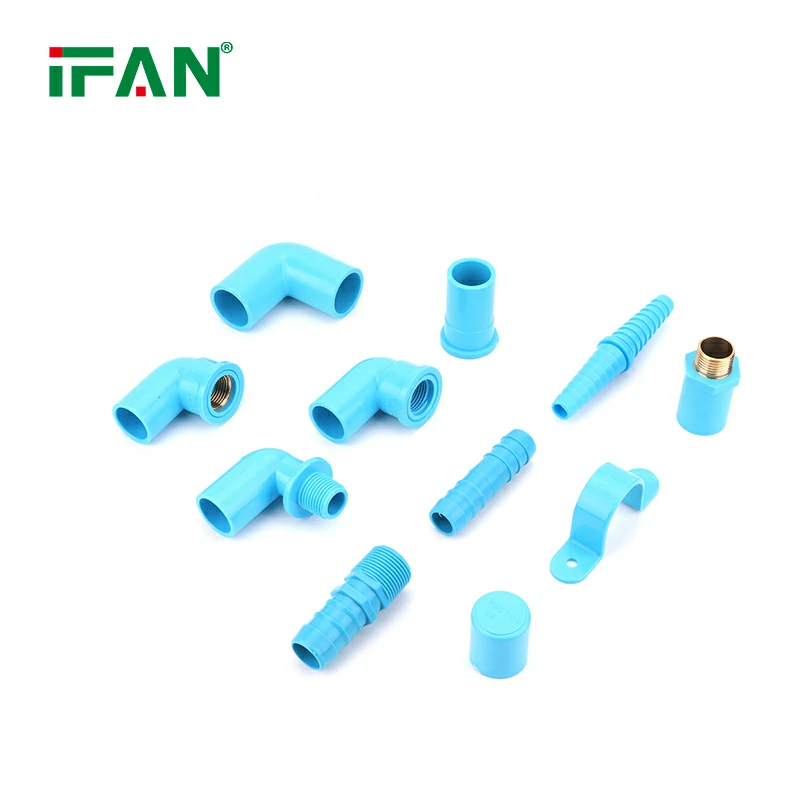
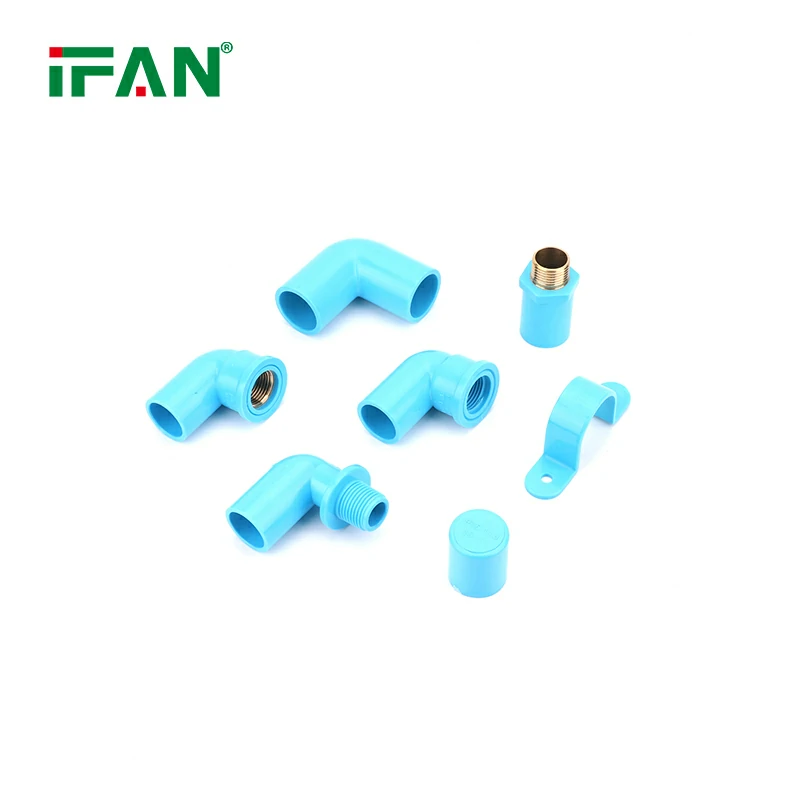
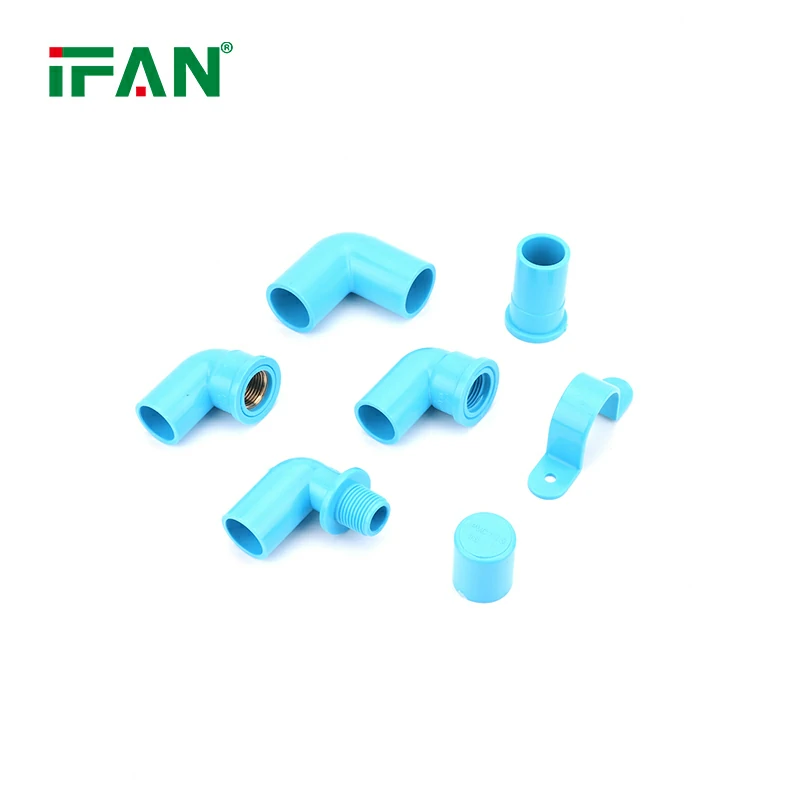
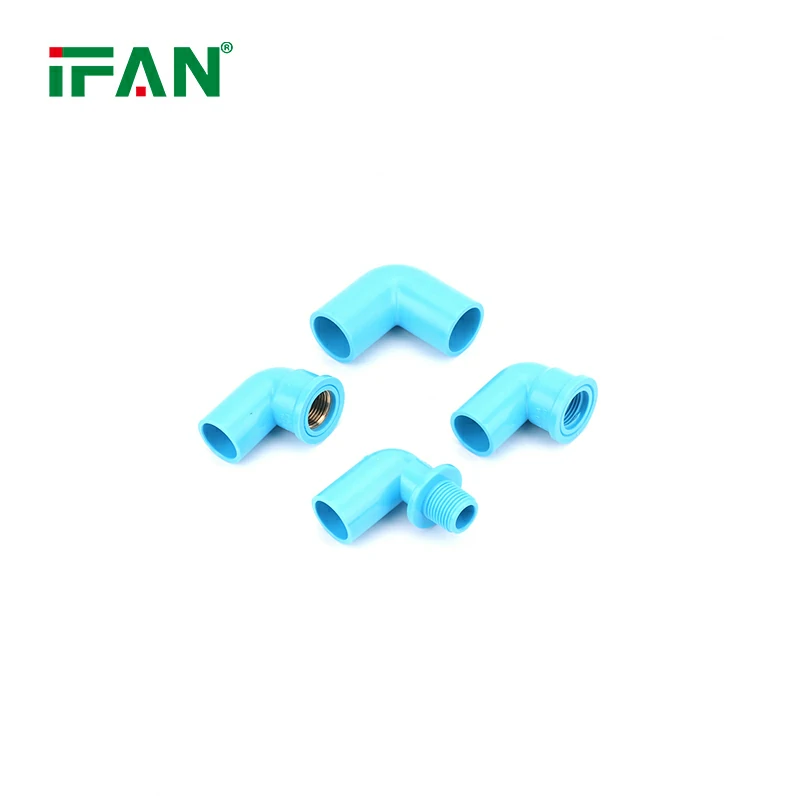
IFAN Custom TIS PVC fittings
Category : Click Download
Whatsapp : +86 19884503412
Wechat : 19884503412
Description
This is a vital question for system design. The answer is a definitive yes. TIS PVC fittings are designed for pressure applications. However, they must be used within their rated limits. Understanding these limits is crucial for safety.
Understanding Pressure Ratings (PN)
Each fitting has a Pressure Nominal (PN) rating. This is its maximum working pressure. Common ratings are PN10 and PN16. PN16 means 16 bar at 20°C (68°F). This information is stamped on the fitting.
The Importance of the TIS Mark
The TIS mark is your guarantee. It signifies compliance with Thai Industrial Standards. These standards include rigorous pressure testing. Fittings undergo hydrostatic pressure tests. This ensures they can handle their rated pressure.
Identifying Pressure-Rated Fittings
Look for specific markings. The PN number will be visible. The size (e.g., DN25) is also marked. Pressure-rated TIS PVC fittings are typically gray or white. They are distinct from non-pressure DWV fittings.
Pressure vs. Non-Pressure (DWV) Fittings
Not all PVC fittings are for pressure. DWV (Drain, Waste, Vent) fittings are not. They have thinner walls and different shapes. Using DWV TIS PVC fittings for pressure is dangerous. Always verify the PN rating before use.
The Critical Role of Temperature
Pressure rating decreases with temperature. A PN16 fitting at 20°C is safe. At 40°C, its maximum pressure is lower. Always consult the manufacturer’s derating charts. High temperature and pressure are a risky combination.
Proper Installation for Pressure Integrity
Installation quality is paramount. Use the correct solvent cement. Ensure pipes are fully seated in sockets. Allow adequate curing time before pressurizing. A poor joint is the weakest point in a pressure system.
Common Pressure Applications
These fittings are used in many pressurized systems. Municipal water supply lines are a prime example. Irrigation systems rely on them. They are also used in industrial fluid transport.
System Design and Safety Factors
Good engineering includes a safety factor. Do not operate at the absolute maximum PN. A common practice is to use a 2:1 safety factor. For a PN16 system, design for 8 bar operating pressure. This accounts for pressure surges.
Testing After Installation
Always pressure test a new system. Test at 1.5 times the intended working pressure. Hold the pressure and check all joints for leaks. This confirms the integrity of every TIS PVC fittings connection.
Inspection and Long-Term Maintenance
Periodically inspect the pressurized system. Look for any signs of stress or damage. Check for leaks at the joints. Ensure the system is not exposed to unexpected high temperatures. Proactive maintenance ensures long-term safety.
Conclusion: A Reliable Choice When Used Correctly
TIS PVC fittings are excellent for pressure applications. Their ratings are clearly defined and tested. You must select the correct pressure-rated type. Installation must follow best practices. When these conditions are met, they provide a safe, durable, and cost-effective solution for pressurized piping systems.
相关产品
 PVC Pipe & Fittings
UPVC Fittings
- CPVC Fittings
CPVC Fittings
- PVC Pipe & Fittings
UPVC Pipe Fittings
- PVC Pipe
PVC CPVC Pipe



HAVE ANY QUERIES? SEND TO CONTACTOANTSMACHINE.COM
ONTACT US