
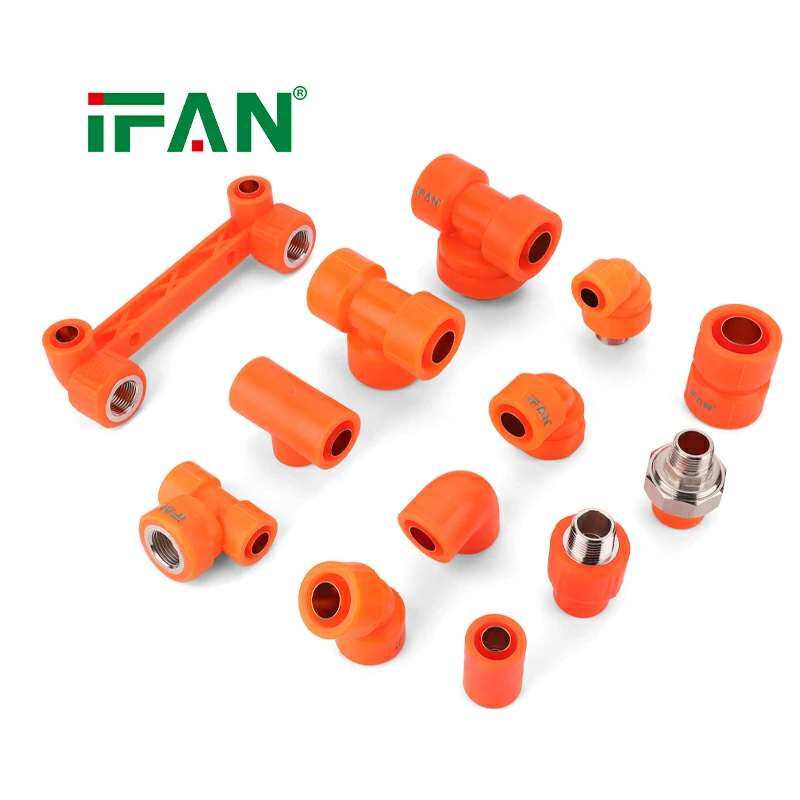
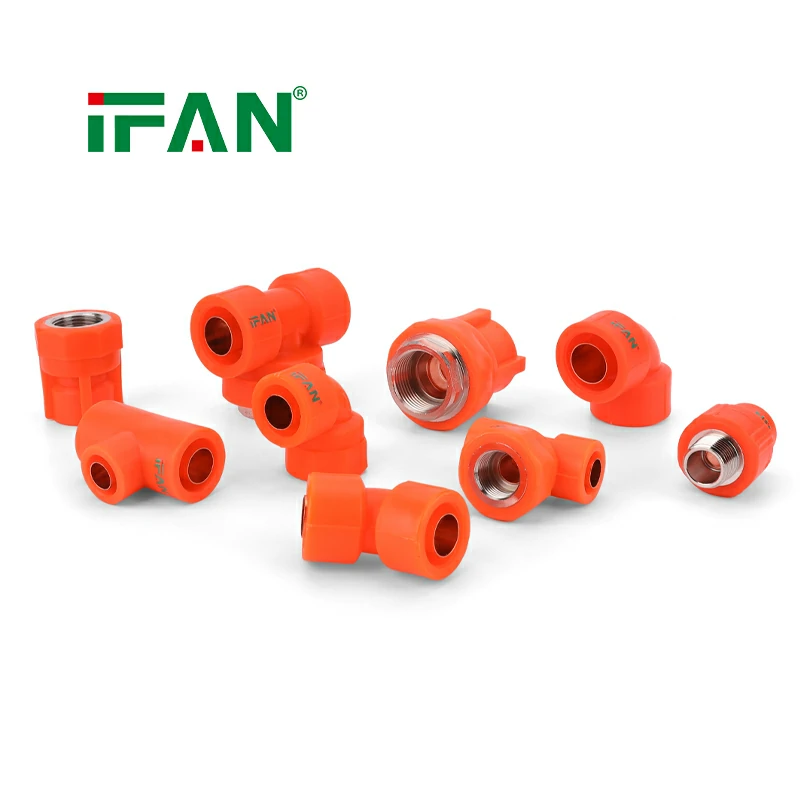
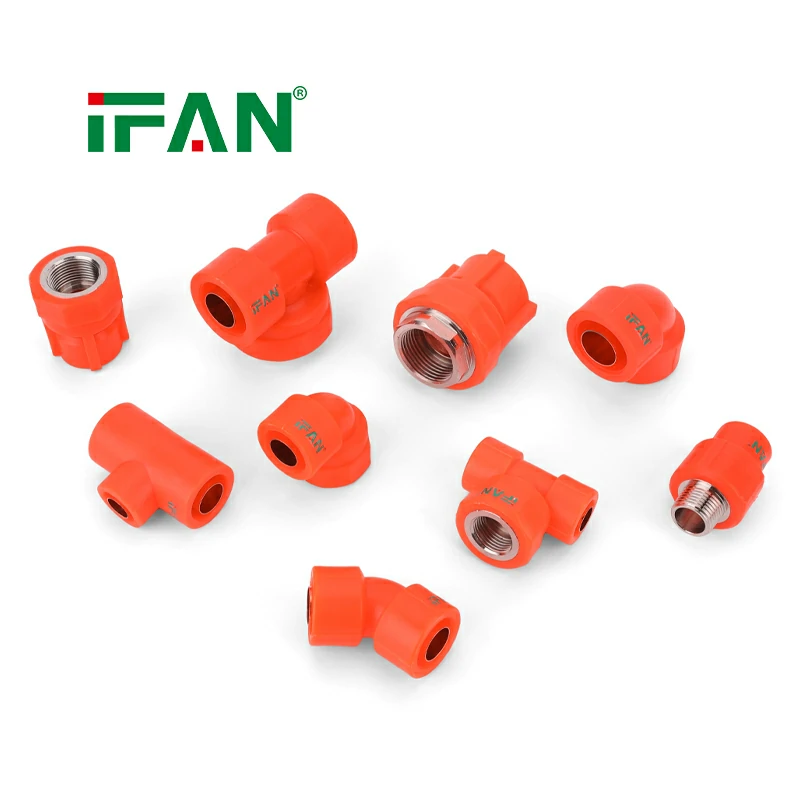
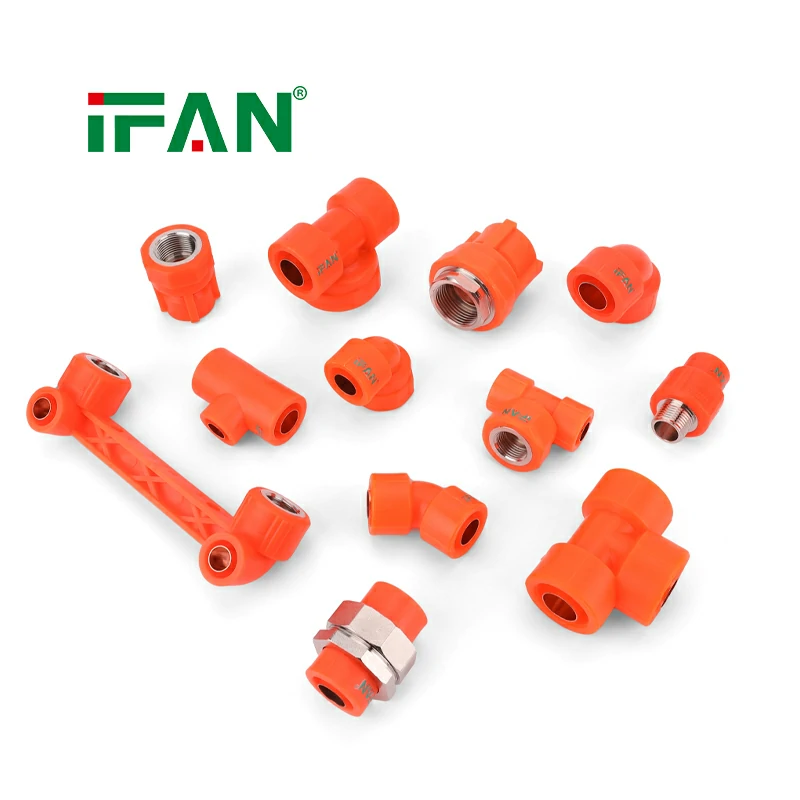
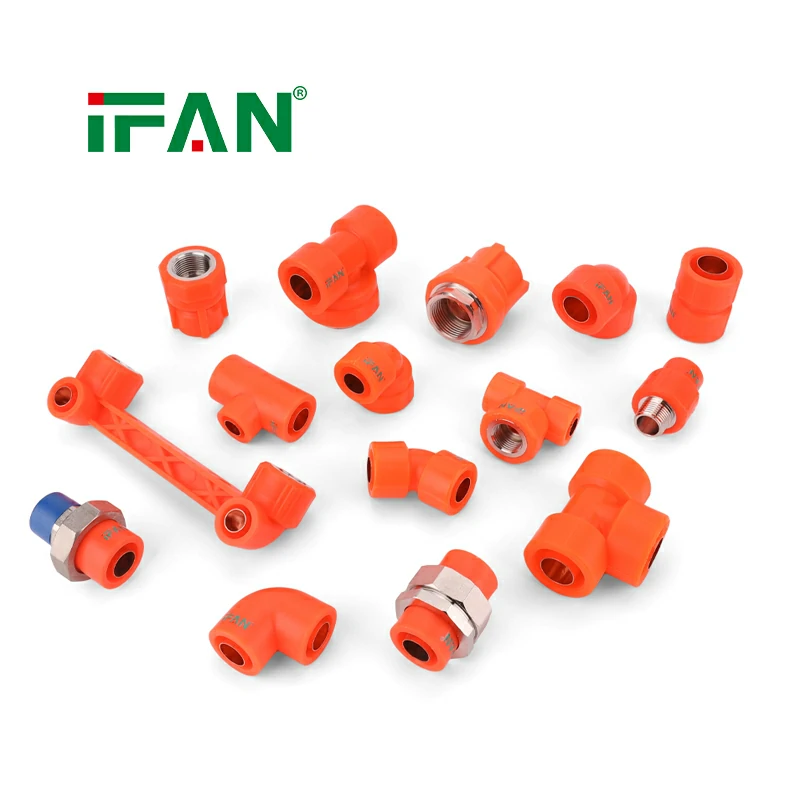
IFAN Direct Sell PPR Copper Fittings
Name: IFAN PPR Copper Fittings
Brand: IFAN
Category : Click Download
Whatsapp : +86 19884503412</p>
Category : Click Download
Whatsapp : +86 19884503412
Wechat : 19884503412
Description
Copper offers better corrosion resistance
PPR copper fittings resist corrosion better than brass fittings. Copper forms a protective patina layer naturally. Brass contains zinc that can leach out over time. Example: copper lasts longer in aggressive water conditions.
Dezincification risk for brass
Brass fittings undergo dezincification in certain water types. Zinc leaches out, leaving porous copper behind. This weakens the fitting from the inside. PPR copper fittings have no zinc to leach out.
Copper is softer but more ductile
Copper is softer and more ductile than brass. It bends rather than cracks under stress. Brass can crack from thermal expansion forces. PPR copper fittings handle stress and movement better.
Brass is stronger initially
Brass has higher tensile strength than pure copper. It resists mechanical damage from external forces. Brass fittings are more resistant to crushing and impact. PPR copper fittings are less strong but more forgiving.
Example: aggressive water comparison
A building has acidic water with pH 6.0. Brass fittings need replacement after 5 years. PPR copper fittings show no corrosion after 15 years. Example: copper fittings last three times longer in aggressive water.
Example: thermal cycling comparison
A heating system cycles from cold to hot daily. Brass fittings may develop stress cracks over time. PPR copper fittings flex with the thermal movement. Example: copper handles thermal cycling better than brass.
DZR brass: a better alternative
DZR brass resists dezincification effectively. It performs similarly to copper in most conditions. DZR brass is more expensive than standard brass. PPR copper fittings are competitive with DZR in durability.
Impact of installation errors
Overtightening damages brass fittings permanently. Brass cracks when excessive force is applied. Copper fittings deform but often survive overtightening. Polypropylene-Random copper fittings are more forgiving during installation.
The PPR side is identical
Both fitting types use the same PPR material. The PPR part has identical durability. The difference is only in the metal side. PPR copper fittings and brass fittings share the same plastic.
Life expectancy comparison
Copper fittings last 50+ years in normal water. Standard brass lasts 20-30 years typically. DZR brass approaches copper’s lifespan. Polypropylene-Random copper fittings offer longer life than standard brass.
Cost vs. durability trade-off
Brass fittings are generally cheaper than copper fittings. Copper fittings cost more but last much longer. The total cost over time favors copper. Polypropylene-Random copper fittings are a better long-term investment.
Final durability summary
Polypropylene-Random copper fittings offer superior durability to standard brass fittings. Copper resists corrosion and dezincification better. Copper handles thermal stress and movement better. Brass is stronger initially but weaker over time. DZR brass approaches copper’s performance but costs more. For aggressive water, choose copper fittings for longevity. For ordinary water, both materials perform adequately. Polypropylene-Random copper fittings provide the best long-term durability in demanding conditions. Example: a wise choice for long-lasting plumbing systems.
相关产品
 PPR Fitting
White PPR male Elbow With Seat
- PPR Fitting
White PPR Female Elbow with seat
- PPR Fitting
White PPR Female Tee
- Green PPR Pipe Fittings
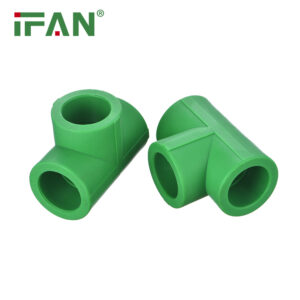
PPR Tee Fittings



HAVE ANY QUERIES? SEND TO CONTACTOANTSMACHINE.COM
ONTACT US