
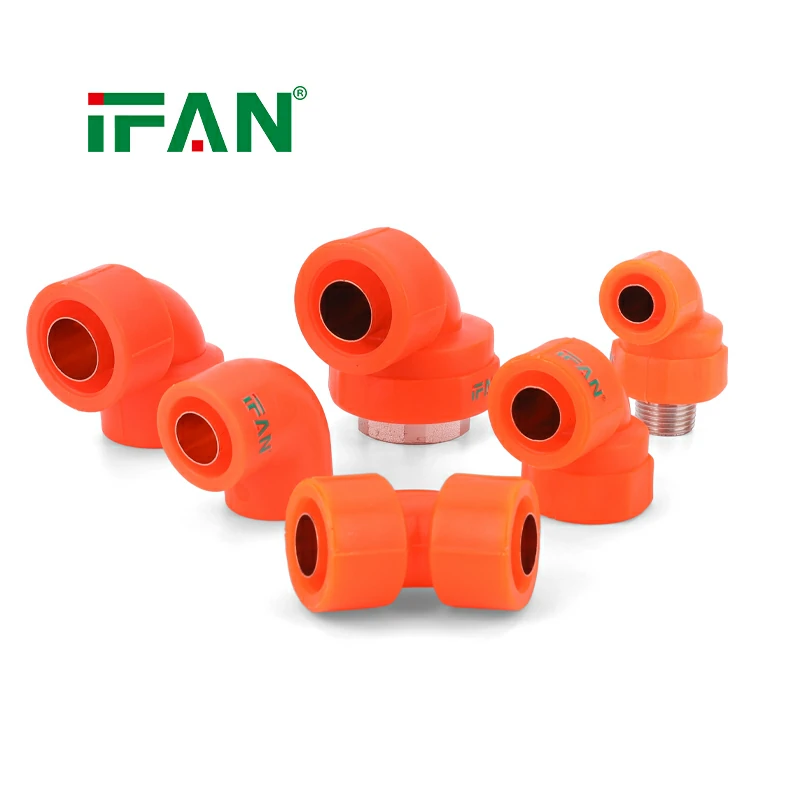
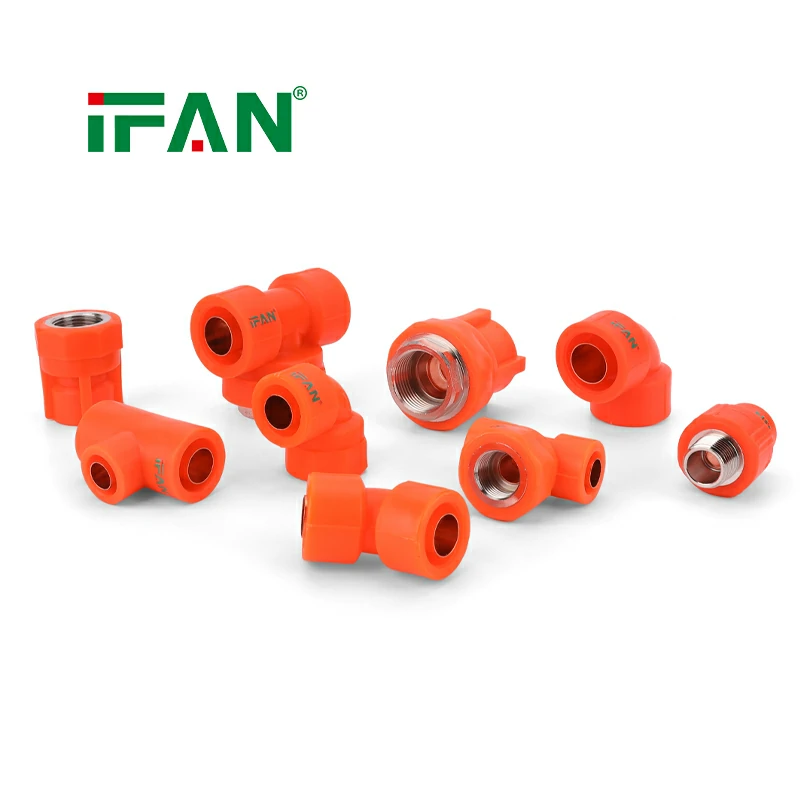
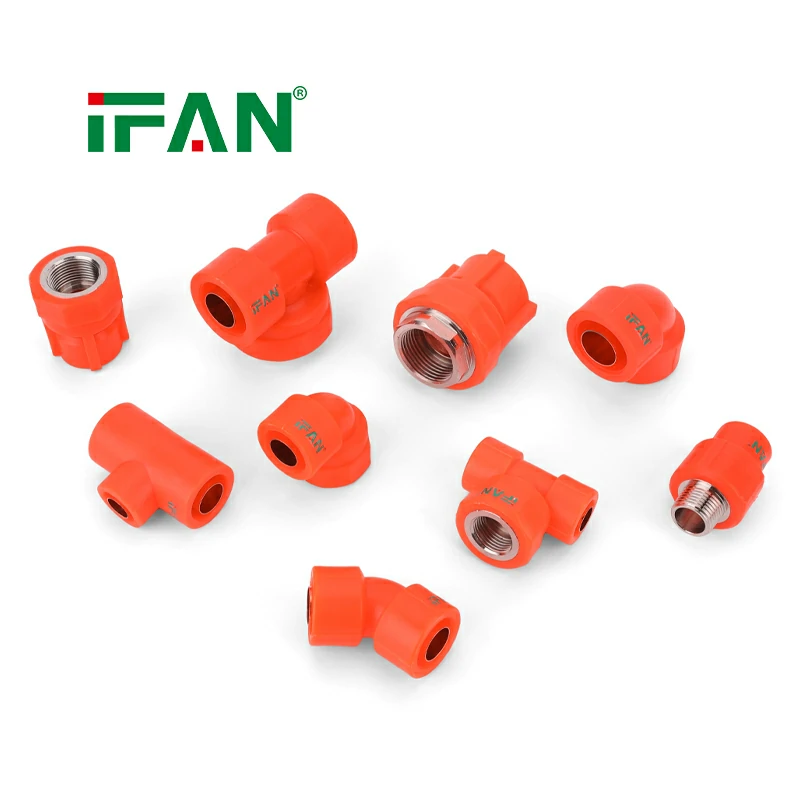
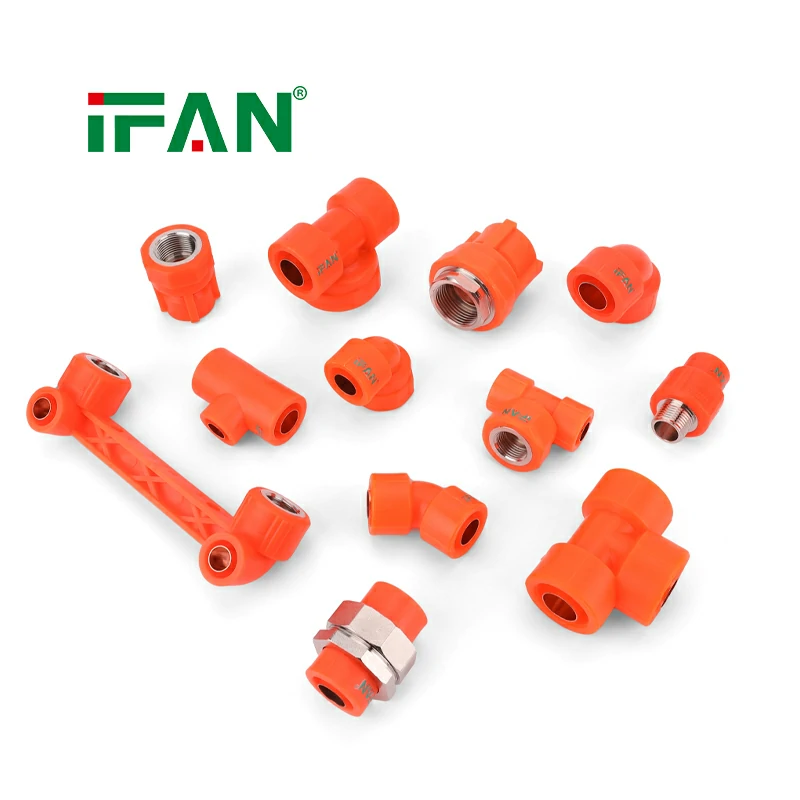
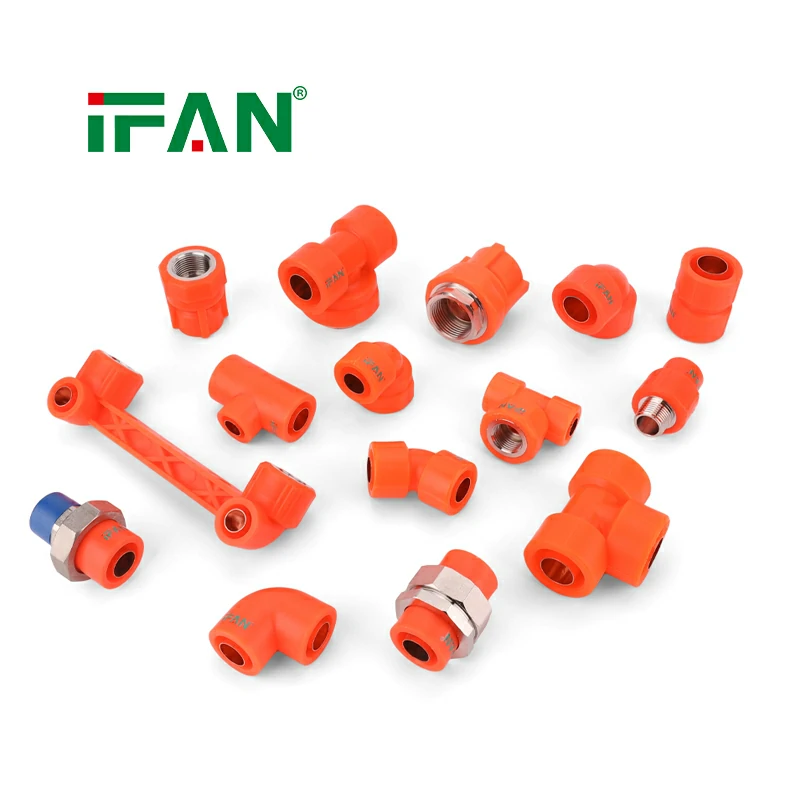
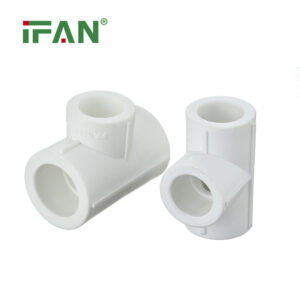
IFAN Free Sample PPR Copper Fittings
Name: IFAN PPR Copper Fittings
Brand: IFAN
Category : Click Download
Whatsapp : +86 19884503412</p>
Category : Click Download
Whatsapp : +86 19884503412
Wechat : 19884503412
Description
Material composition is the key
PPR copper fittings are hybrid, not pure metal. They combine PPR plastic with a copper stub. Pure copper fittings are 100% copper metal. Brass fittings are an alloy of copper and zinc . Example: a PPR copper fitting is half plastic, half metal.
Primary joining method
PPR copper fittings join two different pipe types. They connect PPR plastic pipes to copper pipes . Pure copper fittings join copper pipe to copper pipe only . Brass fittings join copper, brass, or threaded connections . Polypropylene-Random copper fittings are transitional, not universal.
Installation technique
PPR copper fittings require two different installation methods. The PPR side is welded with heat fusion . The copper side is soldered with a torch . Pure copper fittings only need soldering . Polypropylene-Random copper fittings require both skills.
Temperature limitations
PPR copper fittings are limited by the plastic side . Maximum continuous temperature is 95°C . Pure copper fittings handle 200°C easily . Brass fittings handle 120-150°C typically . Polypropylene-Random copper fittings have lower heat tolerance.
Pressure ratings
PPR copper fittings follow Polypropylene-Random pressure ratings . Typical rating is 100 psi at 82°C . Pure copper and brass fittings have higher ratings . They can handle 300+ psi in similar sizes . Polypropylene-Random copper fittings are limited by the plastic component.
Corrosion resistance
Copper and brass resist corrosion differently . Brass can dezincify in aggressive water . Pure copper is highly corrosion-resistant naturally . PPR copper fittings combine copper’s resistance with PPR’s inertness . Example: no zinc to dezincify in PPR copper fittings.
Example: pure copper system
A house has all-copper plumbing throughout. All connections use pure copper fittings. The system handles 180°F and 200 psi. Polypropylene-Random copper fittings would not be needed or used here.
Example: brass fitting system
A building uses brass threaded fittings. These connect copper and galvanized steel pipes. Brass is strong and machinable for threads. Polypropylene-Random copper fittings do not have threaded connections.
Example: mixed PPR-copper system
A renovation project has copper mains. The new branch lines are PPR plastic. Polypropylene-Random copper fittings connect the two materials. Pure copper or brass fittings cannot make this transition.
Cost comparison
PPR copper fittings cost less than pure copper fittings . Brass fittings are moderately priced between them . Polypropylene-Random copper fittings are economical for mixed systems . Example: a PPR copper fitting costs half a pure copper fitting of similar size.
Application range
Pure copper fittings are for copper pipe systems only. Brass fittings work with various metal pipes . Polypropylene-Random copper fittings are specialized for PPR-to-copper transitions . Example: each type has its own distinct application area.
Final difference summary
Polypropylene-Random copper fittings are hybrids of plastic and copper. Pure copper fittings are 100% metal throughout. Brass fittings are copper-zinc alloys. PPR copper fittings join two different pipe materials. Pure copper joins copper to copper. Brass joins metal to metal via threads. PPR copper fittings use heat fusion and soldering. Pure copper uses only soldering. Brass uses threading or soldering. PPR copper fittings have lower temperature and pressure limits. They cost less than pure copper fittings. They are specialized for renovation and mixed-material projects. Example: choose the fitting type that matches your pipe materials.
相关产品
 PPR Fitting
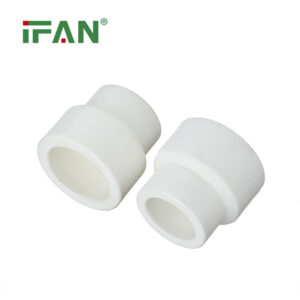
Whtie PPR reduce socket
- PPR Fitting
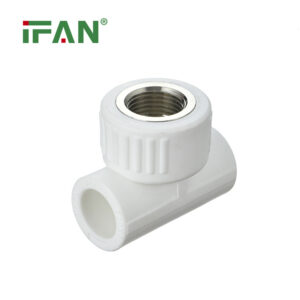
White PPR Female Tee
- PPR Fitting
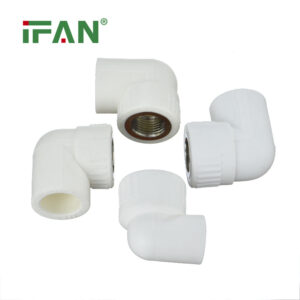
White PPR Female Elbow Fittings
- PPR Fitting
White PPR Tee Fittings



HAVE ANY QUERIES? SEND TO CONTACTOANTSMACHINE.COM
ONTACT US