
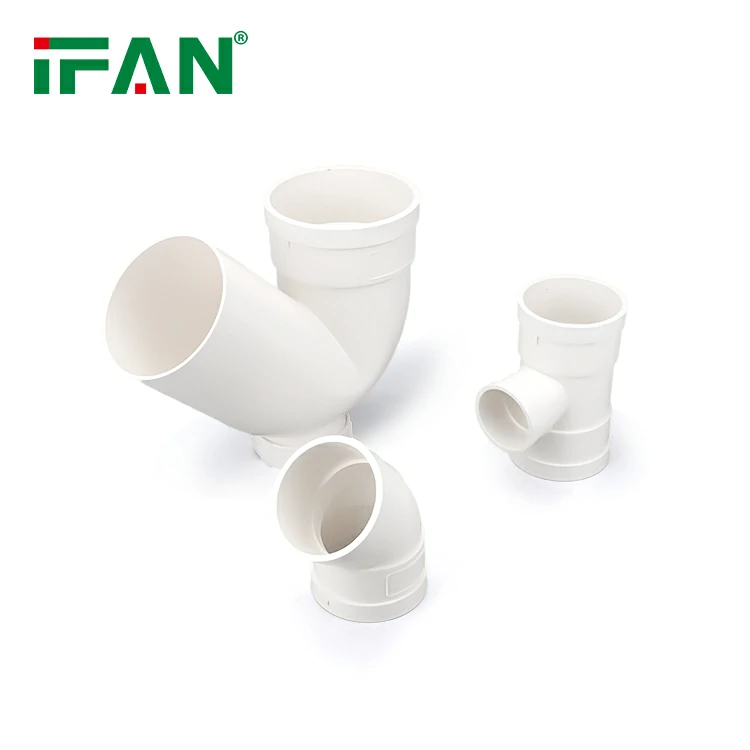
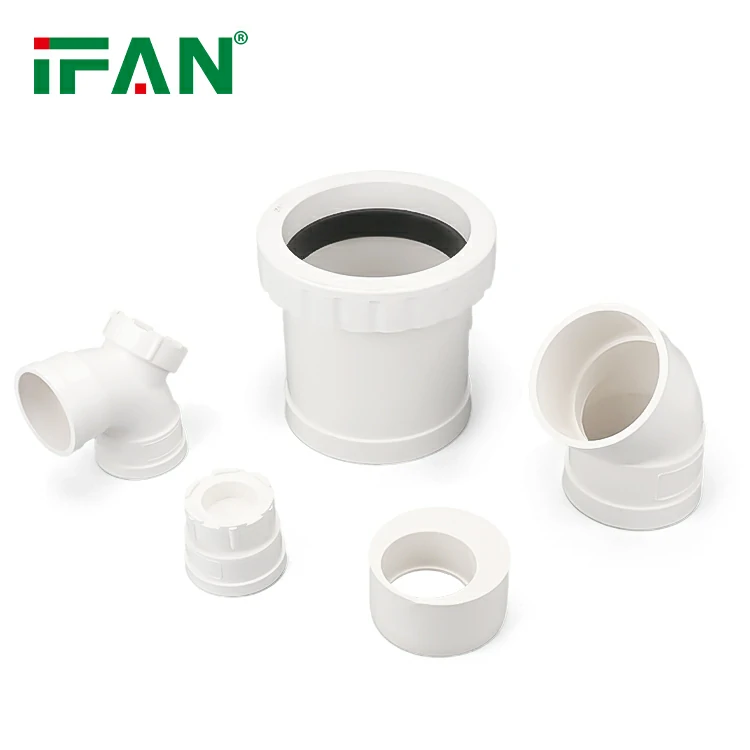
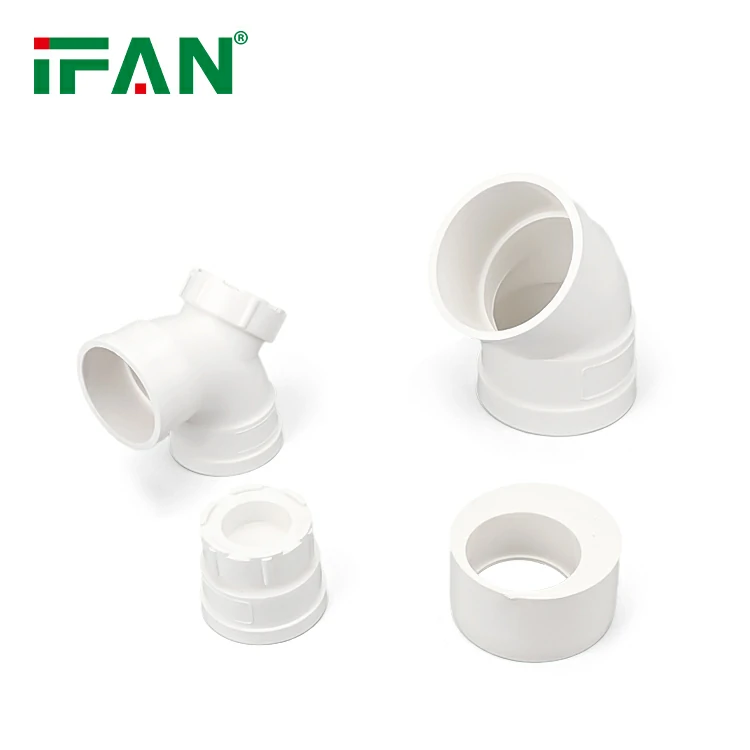
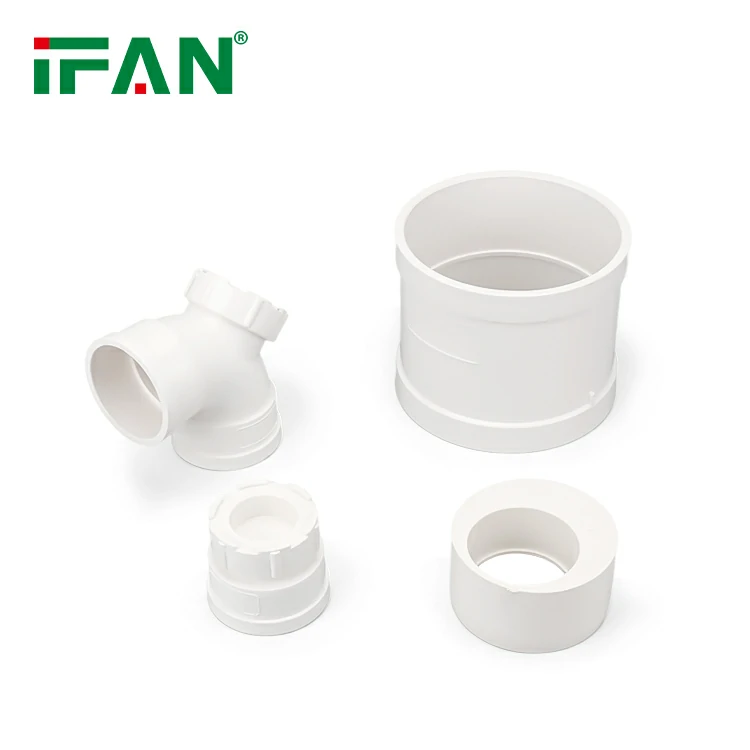
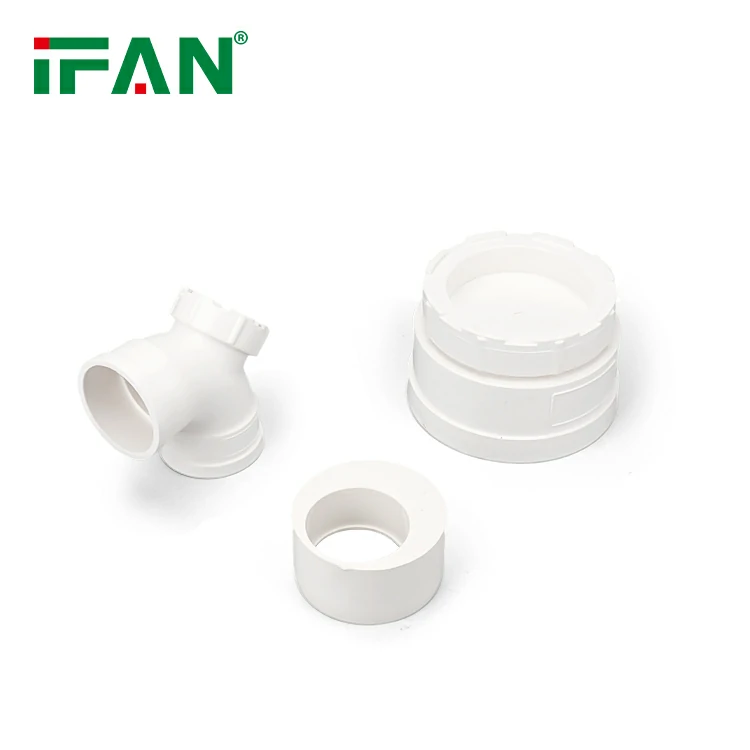
IFAN Full Sizes UPVC Fittings
Category : Click Download
Whatsapp : +86 19884503412
Wechat : 19884503412
Description
Understanding UPVC’s Chemical Structure
UPVC is a rigid polymer. Its full name is Unplasticized Polyvinyl Chloride. The “U” means no plasticizers are added. This gives it great chemical stability. The polymer chains are tightly bonded. This structure resists many reactive substances. It is a very inert material overall.
General Chemical Resistance Profile
UPVC fittings have excellent resistance. They handle most inorganic acids very well. This includes sulfuric and hydrochloric acids. They also resist most bases and salts. Alkaline solutions like caustic soda are fine. Many oxidizing agents are also tolerated. This makes them versatile for industry.
Limitations with Certain Solvents
Aromatic and chlorinated hydrocarbons are problematic. These can soften or swell the UPVC. Examples include benzene and methylene chloride. Ketones like acetone are also aggressive. Always check a chemical compatibility chart. Testing a sample first is wise practice.
Temperature Range for Continuous Service
UPVC has a defined operating window. Its maximum continuous temperature is 60°C (140°F). It can handle short-term spikes slightly higher. Prolonged heat above this softens the material. This reduces its pressure-bearing strength. It becomes vulnerable to deformation.
Performance at Low Temperatures
UPVC remains functional when cold. It can be used down to 0°C (32°F). It becomes increasingly brittle below this. Impact resistance decreases significantly. Special low-temperature formulations exist. These are used in cold climate installations.
Effects of Prolonged High Temperature
Heat accelerates aging. It can lead to dehydrochlorination over decades. This slowly reduces the material’s toughness. UV exposure worsens this thermal effect. For hot water drains, CPVC is often better. CPVC has a higher temperature rating.
Resistance to Acids and Corrosive Salts
This is a major strength of UPVC. It is superb for acid drainage lines. It withstands dilute and concentrated acids. Industrial plating waste is a common example. Metal fittings would corrode rapidly here. UPVC fittings provide decades of service.
Behavior with Oils, Fats, and Greases
Mineral oils and fats have little effect. They do not degrade the polymer. However, grease can build up on walls. This is a hydraulic issue, not chemical. Regular cleaning prevents blockages. UPVC is standard in commercial kitchen drains.
Impact of Sunlight and UV Radiation
Ultraviolet light causes photodegradation. It makes the surface chalky and brittle. This weakens the fitting over many years. For outdoor use, specify UV-stabilized UPVC. It contains additives like titanium dioxide. Burial eliminates this concern entirely.
Compatibility with Potable Water
UPVC is certified for drinking water. It does not leach harmful substances. It maintains water quality over time. This applies to cold water distribution only. Hot water requires a different material. NSF/ANSI 61 is the key certification.
Industrial Chemical Transport Examples
These fittings are used in many factories. They handle chemical waste in laboratories. They are used in fertilizer production plants. They transport pickling acids in metalworks. Their chemical inertia is their primary asset. They often replace expensive stainless steel.
Summary of Operational Boundaries
In summary, UPVC fittings withstand many chemicals. They resist acids, bases, and salts effectively. They fail with strong solvents and some hydrocarbons. Their temperature limit is about 60°C continuously. They perform best in cool to moderate environments. Understanding these limits ensures safe, long-lasting system performance.
相关产品
 PVC Pipe & Fittings
UPVC White Pipe Clip
- PVC Pipe & Fittings
IFAN UPVC Pipe Fittings
- PVC Pipe & Fittings
Green UPVC End Caps
- PVC Pipe & Fittings
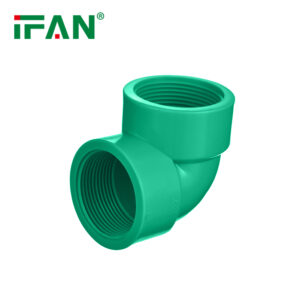
Green UPVC Elbows


HAVE ANY QUERIES? SEND TO CONTACTOANTSMACHINE.COM
ONTACT US