
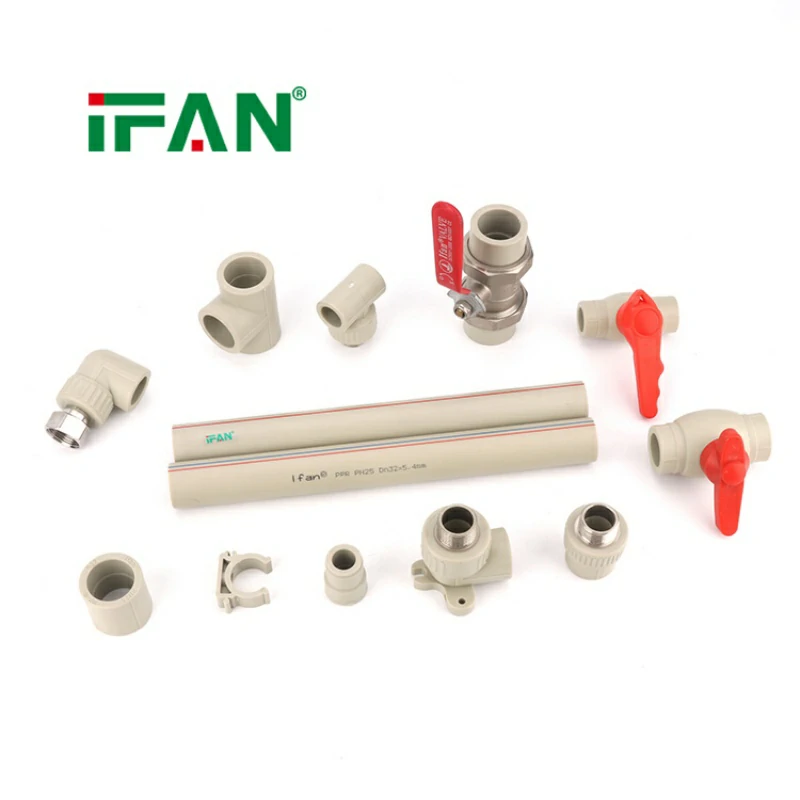
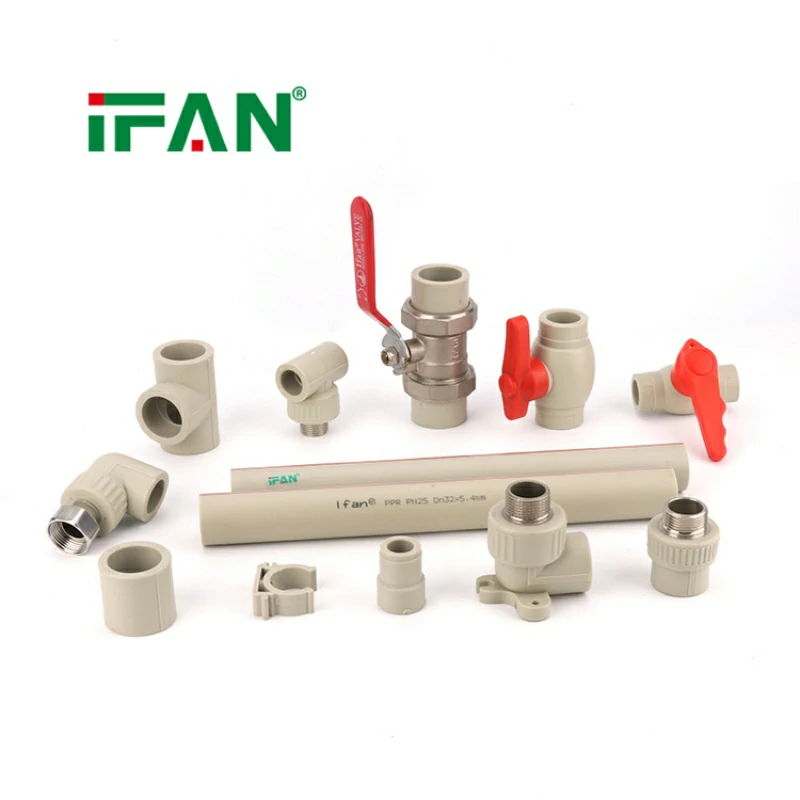
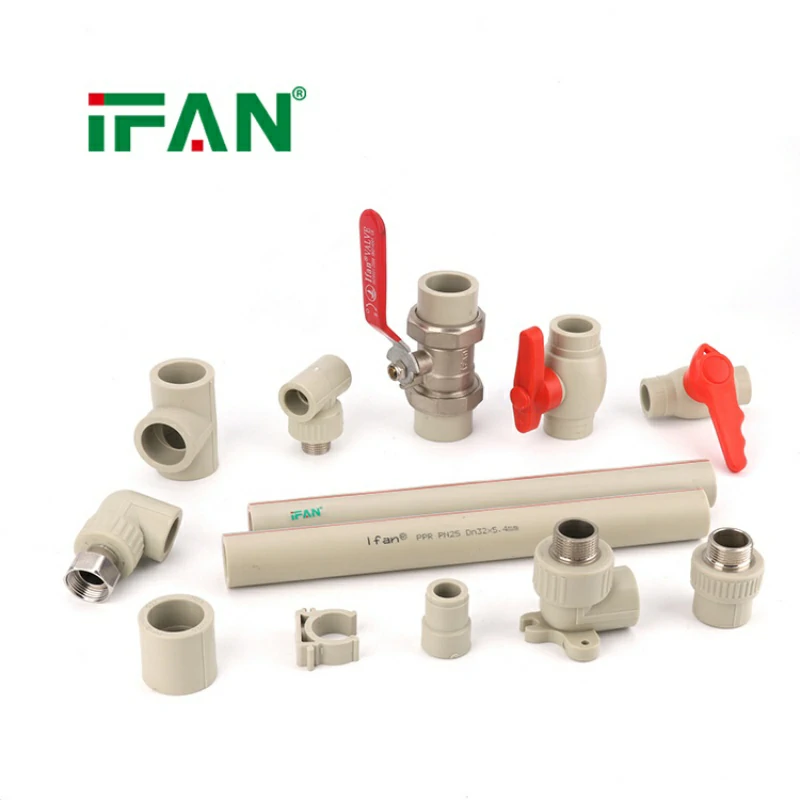
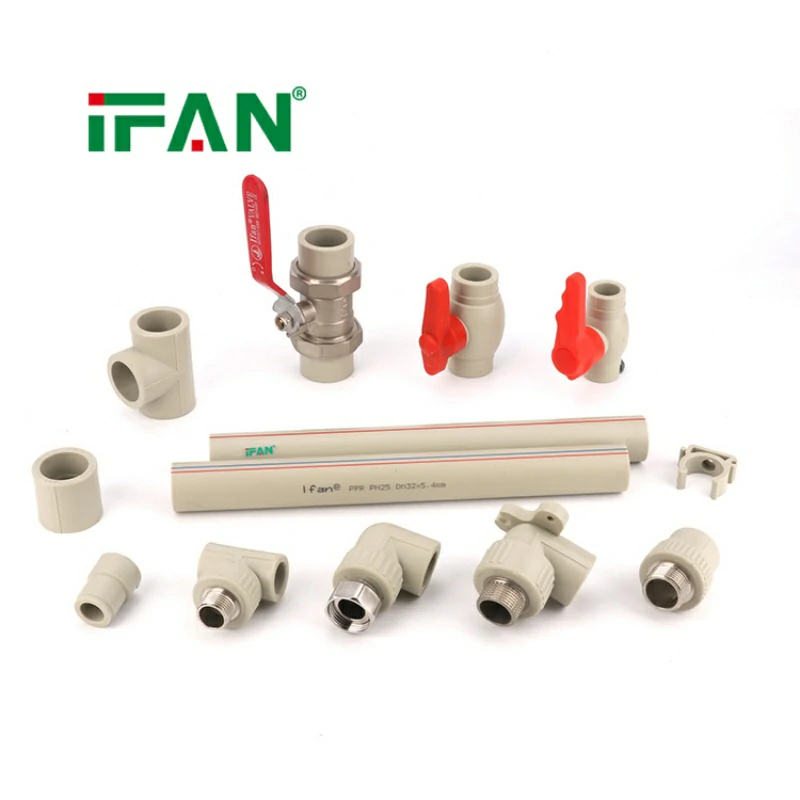
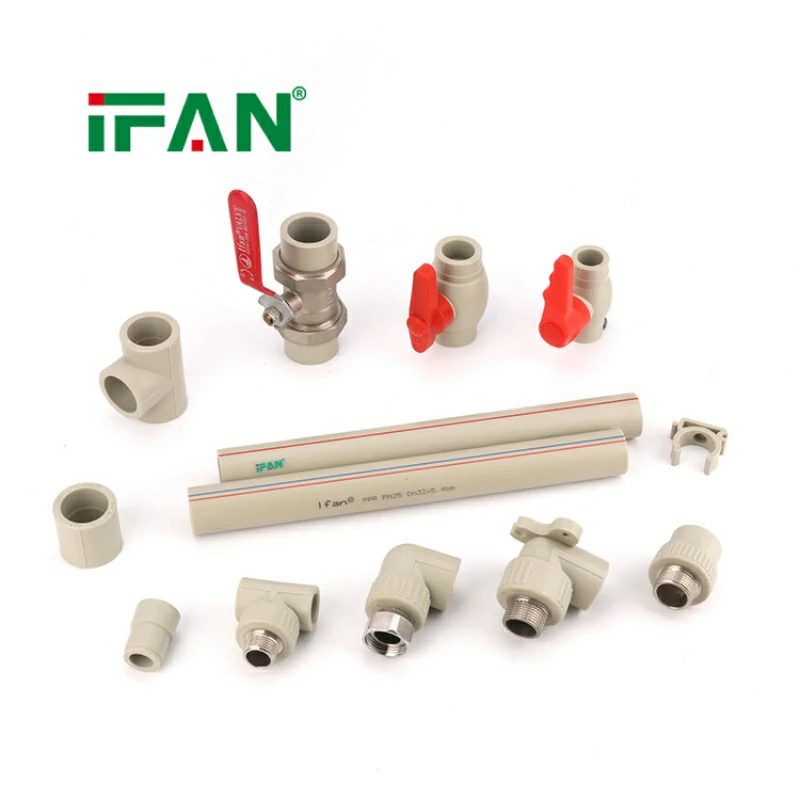
IFAN General Application PPR Fittings
Category : Click Download
Whatsapp : +86 19884503412
Wechat : 19884503412
Description
Understanding the Fusion Welding Process
PPR fittings are joined using heat fusion. The pipe and fitting are heated simultaneously. They are then pressed together. The materials melt and intermingle. Upon cooling, they become one continuous piece. This creates a permanent, monolithic joint.
Why Fusion Creates a Permanent Bond
The welding process is not reversible. The polymer chains from both parts cross-link. The interface disappears entirely. There is no seam or separate seal. The joint is stronger than the pipe itself. This permanence is a key design feature.
Reusability of PPR Fittings
Once welded, PPR fittings cannot be reused. The material has been chemically altered. The socket has fused with the pipe. Cutting the fitting off destroys its structure. The internal dimensions are no longer accurate. A used fitting cannot form a reliable new weld.
Attempting to Heat and Separate
Some try to reheat the joint to separate it. This is not effective or safe. The material will degrade from excessive heat. It becomes brittle and weak. The fitting’s shape will be distorted. Any future weld would be compromised. This practice is strongly discouraged.
Repositioning After Welding
A welded joint cannot be repositioned. The angle and alignment are fixed permanently. If a mistake is made, the joint must be cut out. There is no way to rotate or adjust the fitting. Careful planning before welding is essential.
Correct Procedure for Mistakes
If an error occurs, cut out the incorrect section. Use a pipe cutter or fine-toothed saw. Remove the faulty weld completely. Discard the used fitting and pipe section. Prepare new materials and weld again. This is the only safe approach.
The Cost of Rework
Reworking a mistake requires new materials. The used PPR fittings are scrap. Extra pipe length is also consumed. This adds cost and time to the project. It emphasizes the need for precision. Dry-fitting before welding is critical.
Advantages of Permanence
Permanent joints have significant benefits. They will never loosen or leak. There are no threads to corrode or gall. The system is maintenance-free. The reliability is extremely high. This is why PPR is trusted for permanent installations.
Comparison to Mechanical Fittings
Threaded or compression fittings are reusable. They can be disassembled and repositioned. However, they are more prone to leaks. They require periodic retightening. PPR fittings trade reusability for reliability. The choice depends on the application.
Planning to Avoid Repositioning
Create a detailed layout before welding. Use dry-fit assembly to check alignment. Mark all positions and depths clearly. Make adjustments before applying heat. This prevents the need for repositioning. Good planning saves materials and time.
Using Unions for Service Points
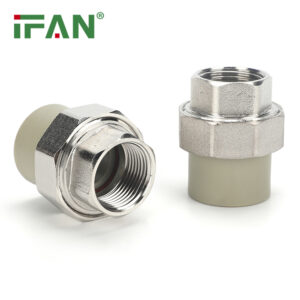
Where future disconnection is needed, use union fittings. These have a mechanical joint built in. The union allows for system modification. The welded PPR remains permanent. The union provides the serviceability. This is the best practice for critical points.
Conclusion on Reusability and Repositioning
PPR fittings cannot be reused or repositioned after welding. The fusion process creates a permanent, monolithic joint. Attempts to separate or adjust them will cause damage. Mistakes require cutting out and replacing the section. Proper planning and dry-fitting prevent errors. For applications requiring future access, incorporate union fittings. The permanence of PPR welding is a feature, not a limitation, ensuring long-term reliability.
相关产品
 Gray PPR Pipe Fittings
Gray PPR Female elbow
- Gray PPR Pipe Fittings
Gray PPR Double Elbow
- Gray PPR Pipe Fittings
Gray PPR filter
- Gray PPR Pipe Fittings
Gray PPR Female Union


HAVE ANY QUERIES? SEND TO CONTACTOANTSMACHINE.COM
ONTACT US