
Description
This is a common installation question. The answer is yes, but with a major caveat. Orientation is critical for valve operation. Not all check valves work the same way. The specific type of PVC check valve determines its suitability. Understanding the difference is key to success.
Understanding Check Valve Function
A check valve allows flow in one direction. It automatically prevents backflow. It uses the system’s flow pressure to open. Gravity or a spring helps it close. The internal mechanism is crucial. This mechanism dictates correct installation position.
Swing Check Valves: Horizontal Preference
Swing check valves have a hinged disc. The disc swings open with flow pressure. It swings shut when flow stops. Gravity must pull the disc closed. A vertical installation with upward flow is problematic. The disc may not close properly without gravity’s aid.
Swing Valve Vertical Installation Warning
Avoid installing a swing valve vertically. If flow is upward, gravity cannot assist closure. The disc may remain slightly open. This allows unwanted backflow or leaking. If flow is downward, the disc may never open. Always install swing valves horizontally.
The Vertical Solution: Spring Check Valves
Spring-assisted check valves are different. They contain an internal spring. Flow pressure must overcome the spring force to open. When flow stops, the spring forces immediate closure. Gravity is not a primary closing factor. This design allows vertical installation.
Determining Your Valve Type
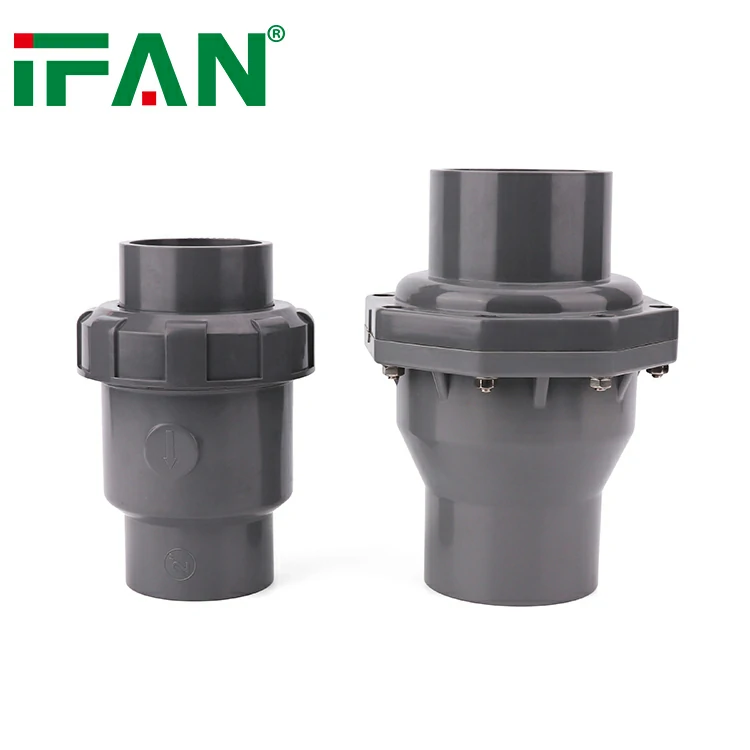
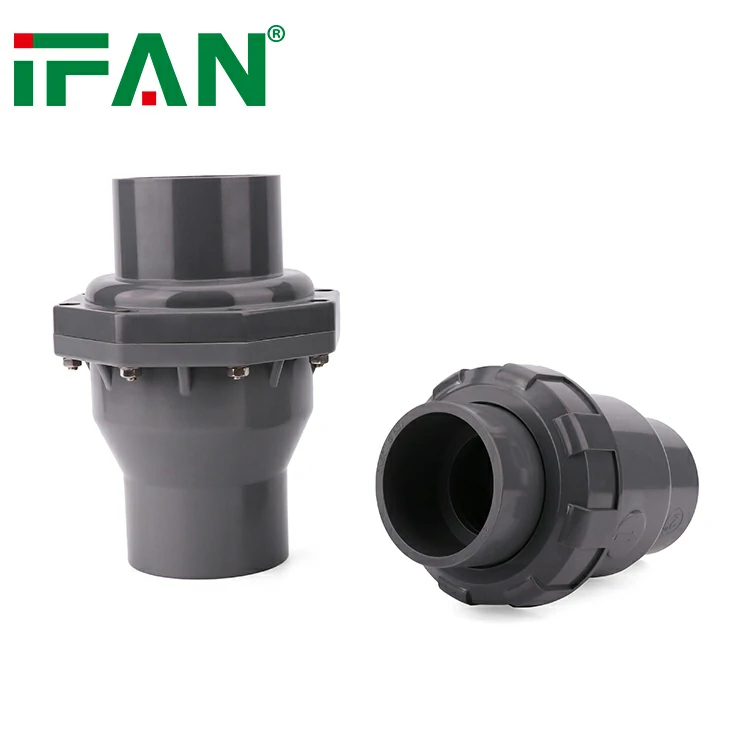
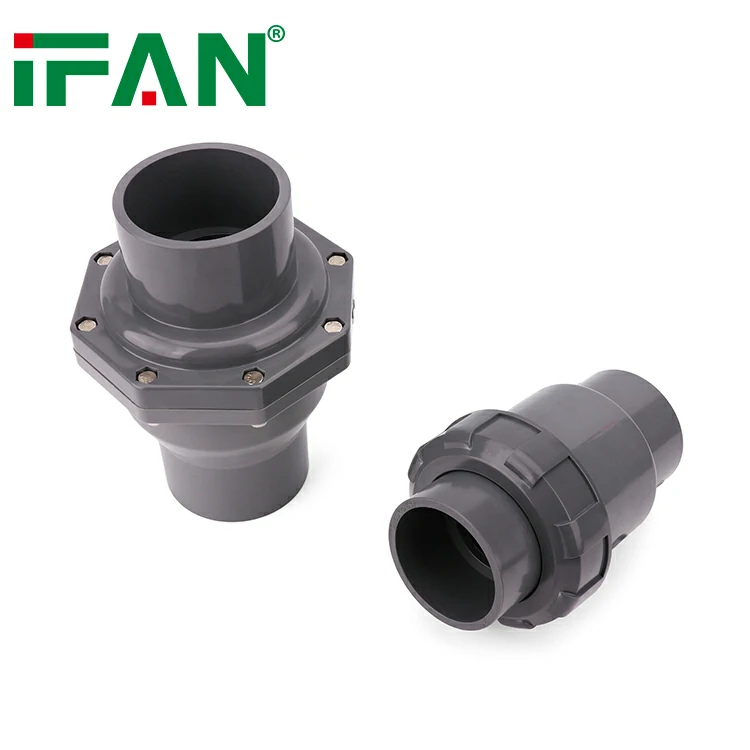
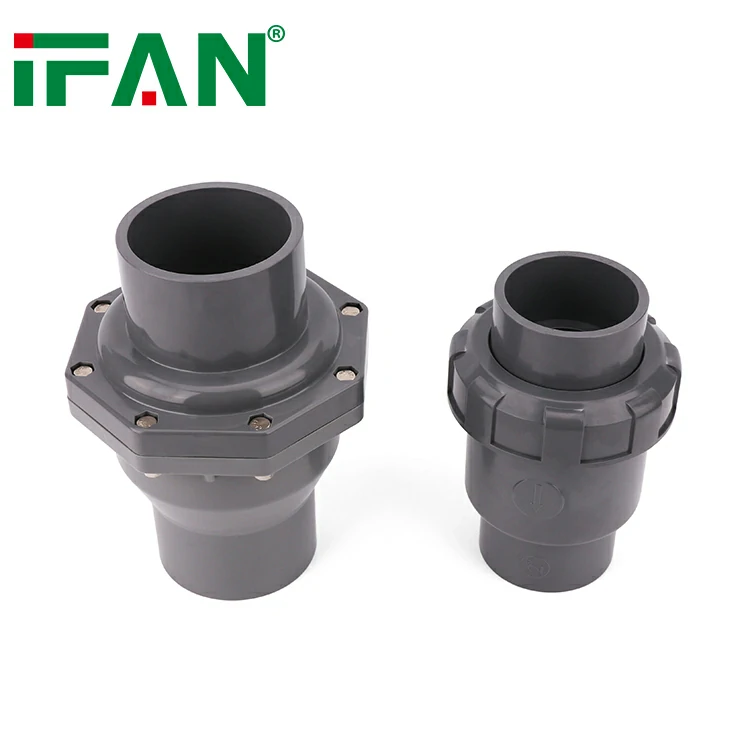
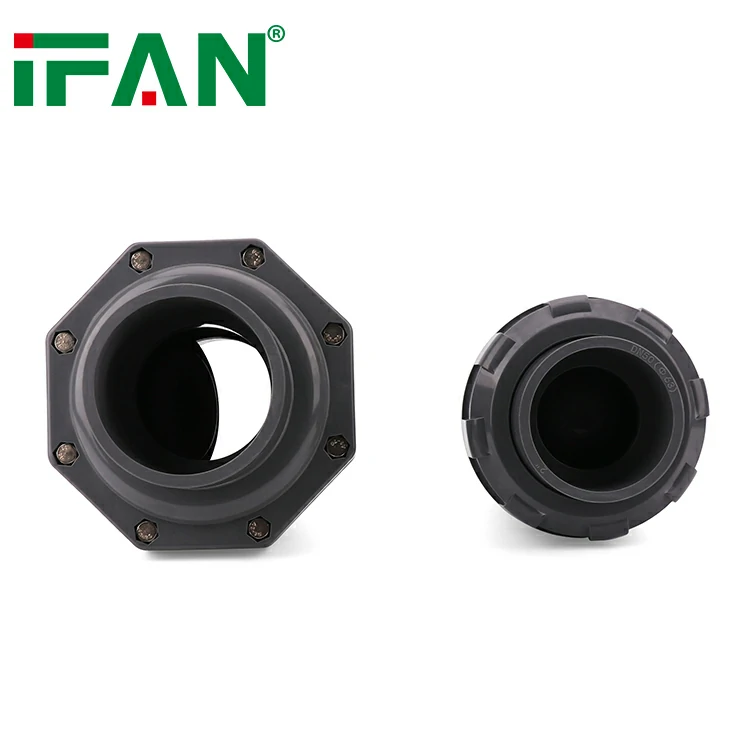
You must identify your valve type first. Examine the valve body. A swing valve often has a larger body. It needs space for the disc to swing open. A spring check valve is often more compact. The product manual will definitively specify its type.
Direction of Flow is Absolute
The arrow on the valve body indicates direction. This arrow must point in the flow direction. This is true for horizontal or vertical installation. Installing the valve backwards is a common error. It will block all flow completely. Always double-check the arrow’s alignment.
Vertical Installation with Upward Flow
This is a common scenario. A pump pushes water upward in a pipe. A spring PVC check valve is perfect here. The spring ensures reliable closing. It prevents backflow when the pump cycles off. This protects the pump from damage.
Vertical Installation with Downward Flow
This is a less common situation. Flow comes from above the valve. A spring check valve can still work. The flow pressure compresses the spring to open. When flow stops, the spring closes the valve. Gravity assists the spring in this orientation.
Performance and Maintenance Considerations
Vertical installation may affect performance. There might be a slightly higher pressure drop. The spring requires extra pressure to open. Debris can potentially hinder the spring mechanism. Regular maintenance checks are advisable. Listen for unusual noises like chattering.
Real-World Application Example
Consider a sump pump system. The pump sits at the bottom of a pit. It pushes water vertically upward to exit. A spring-assisted PVC check valve is installed. It prevents pumped water from flowing back down. This protects the pump and improves efficiency.
Conclusion: It Depends on the Type
So, can you install it vertically? Absolutely, if it is a spring check valve. You cannot install a swing valve vertically. Always confirm the valve type before installation. Verify the flow direction arrow. Choosing the correct PVC check valve ensures system reliability and efficiency.
相关产品
 PVC Valve
IFAN Hot Sale PVC Angle Valves
- PVC Valve
IFAN White PVC End Check Valves
- PVC Pipe & Fittings
IFAN PVC Foot Valve




HAVE ANY QUERIES? SEND TO CONTACTOANTSMACHINE.COM
ONTACT US