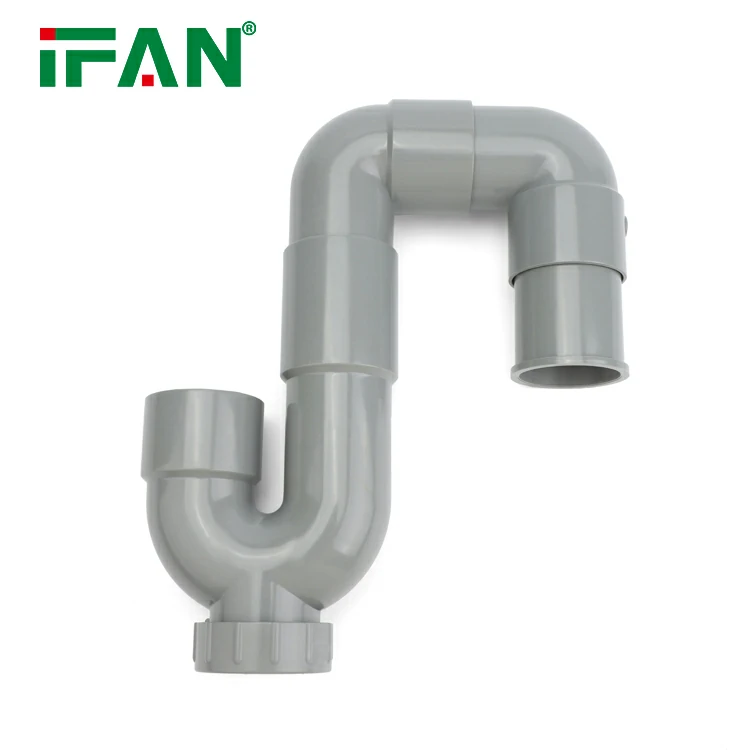
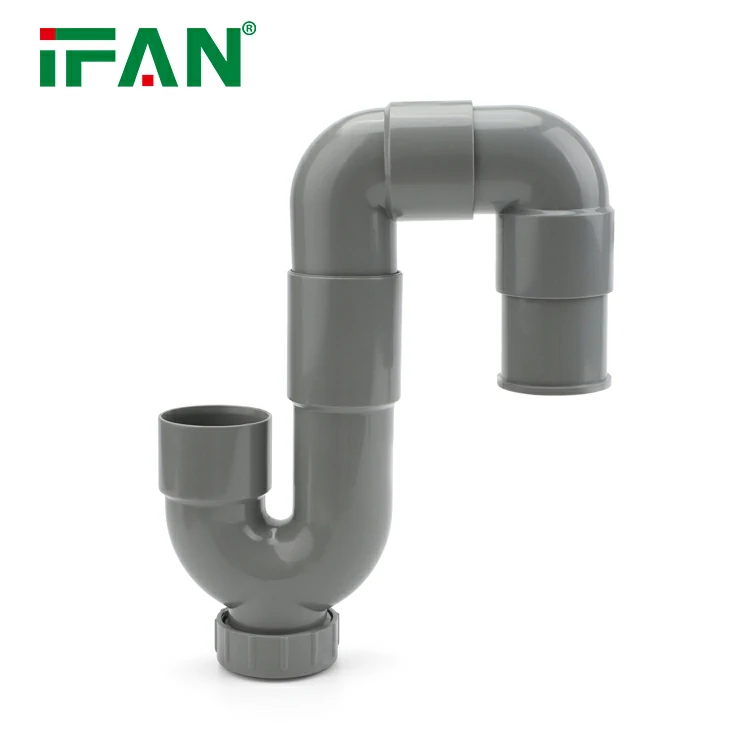
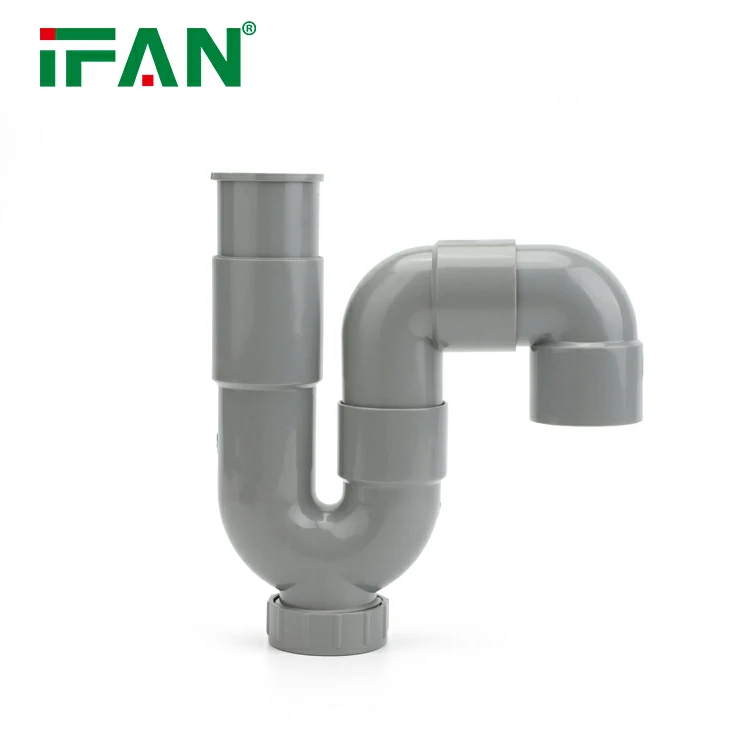
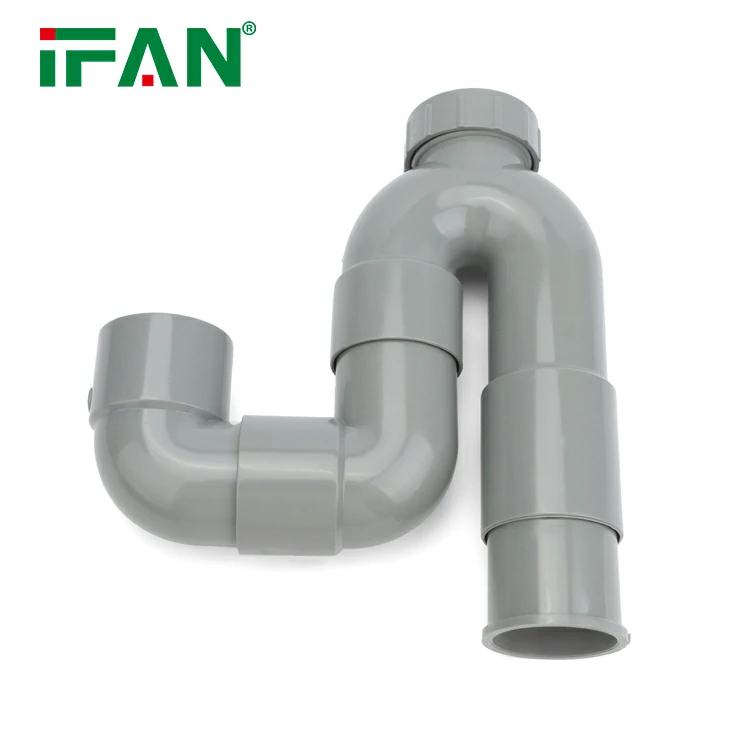
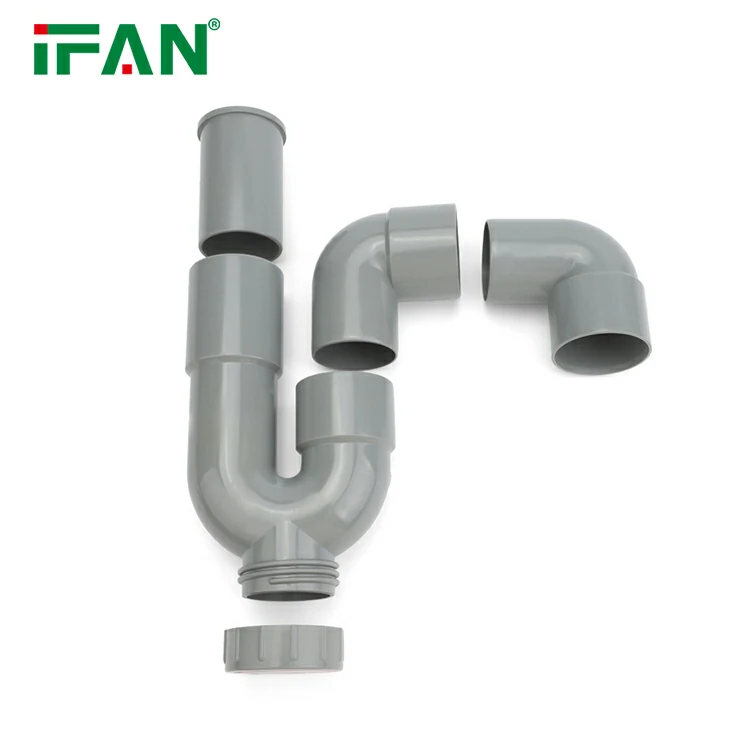
This is a common concern for homeowners. The short answer is yes, they can. Their design is inherently problematic. S-Trap Drainage systems are more prone to blockages. Understanding why requires a look at their mechanics.
The Design Flaw of the S-Trap
An S-Trap has a sharp, double-bend shape. It forms a tight “S” configuration under the fixture. This design creates a deep, narrow water seal. The trap’s internal geometry is not smooth. This sharp bending is a primary cause of clogs.
The Siphonage Problem and Its Effects
S-Traps are susceptible to self-siphonage. Fast-flowing water can suck the trap completely dry. This breaks the vital water seal. Sewer gases can then enter the home. More importantly, it leaves debris stranded in the dry trap.
Debris Accumulation in the Deep Seal
The deep water pocket collects material. Hair, soap scum, and grease settle there. These materials bind together over time. They form a solid mass inside the trap. A full blockage is the eventual result.
Comparing S-Traps to Modern P-Traps
P-Traps have a gentler, more open shape. They are the modern standard for a reason. Water and waste flow through them more smoothly. The S-Trap Drainage design is more restrictive. This makes P-Traps significantly less likely to clog.
Common Clogging Agents in S-Traps
Certain items are particularly problematic. Hair is the most frequent culprit. Soap residue combines with hair like glue. Food particles from kitchen sinks are bad. Grease and oil solidify in the cool trap.
The Role of Slow Water Flow
Slow drainage is a warning sign. It indicates a partial blockage is forming. In an S-Trap Drainage, slow flow worsens the problem. It gives debris more time to settle. This accelerates the formation of a complete clog.
Difficulty in Clearing Blockages
Clearing an S-Trap clog can be challenging. Its tight bends are hard for a drain snake to navigate. Plunging may be less effective due to the design. Often, the trap must be fully disassembled. This is a messy and inconvenient task.
Signs Your S-Trap is Clogging
Recognize the early warning signals. Water drains away very slowly. Gurgling sounds come from the drain. Unpleasant odors may be present. These signs suggest a blockage is forming.
Preventative Maintenance Strategies
Regular maintenance can reduce clogs. Use a drain guard to catch hair and food. Flush with hot water weekly to melt grease. Occasionally use a enzymatic drain cleaner. Avoid pouring fats and oils down the drain.
The Long-Term Solution: Replacement
The most effective solution is replacement. Converting an S-Trap Drainage to a P-Trap is recommended. A professional plumber can do this work. It involves installing a proper vent pipe. This eliminates the core siphonage and clogging issues.
Conclusion: An Outdated and Problematic Design
S-Trap Drainage systems do clog more easily. Their flawed hydraulic design is the root cause. They are an outdated plumbing method. While maintenance helps, replacement is the best cure. Upgrading to a vented P-Trap ensures reliable, trouble-free drainage for years to come.