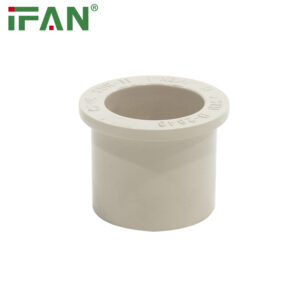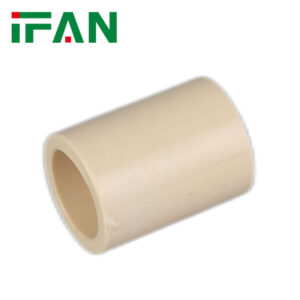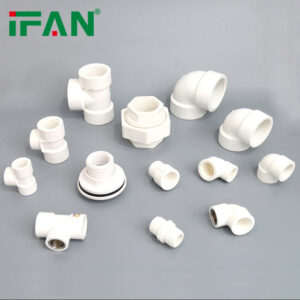
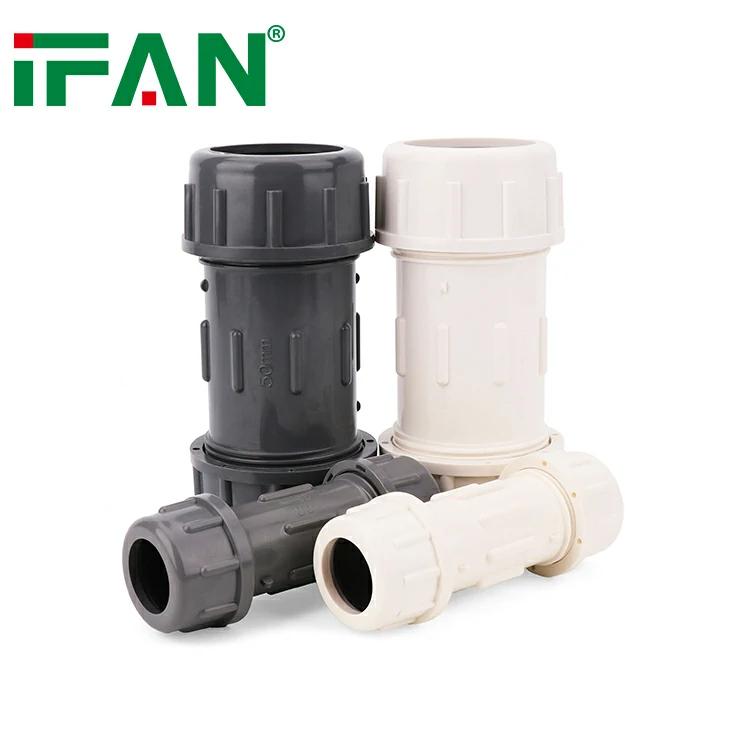
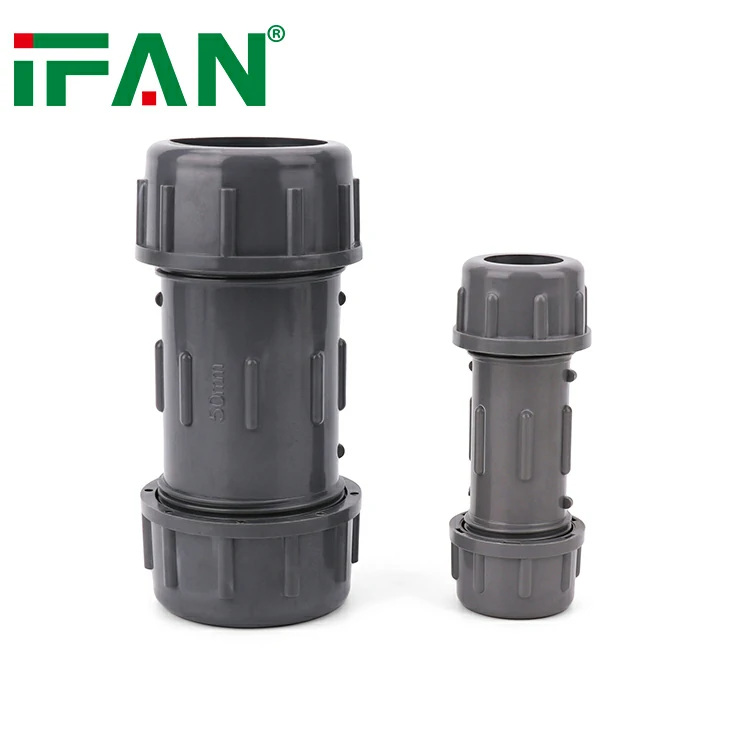
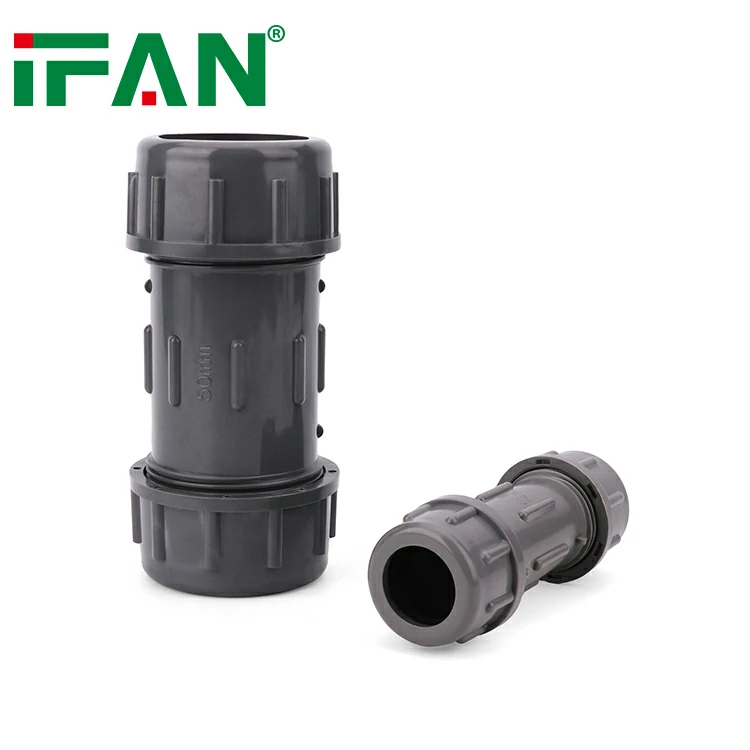
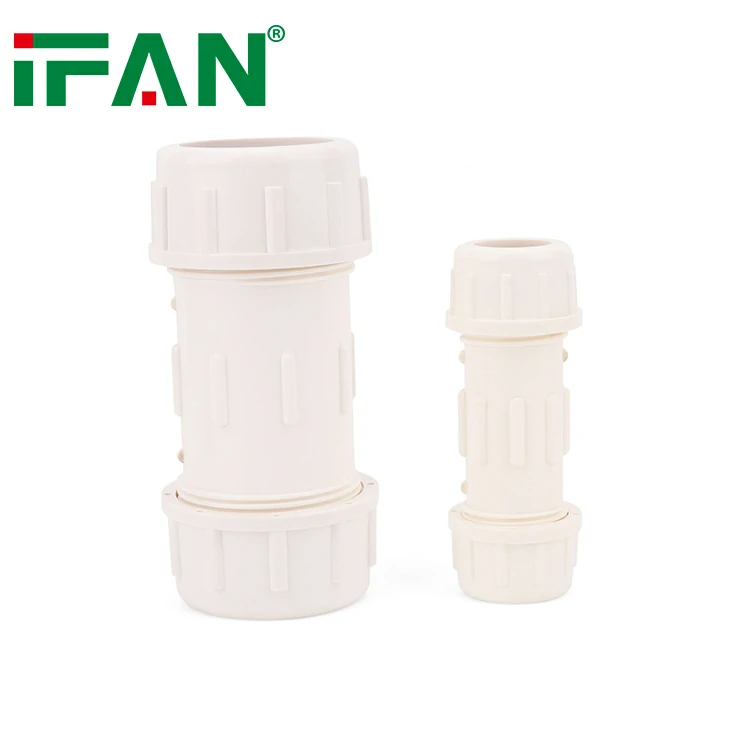
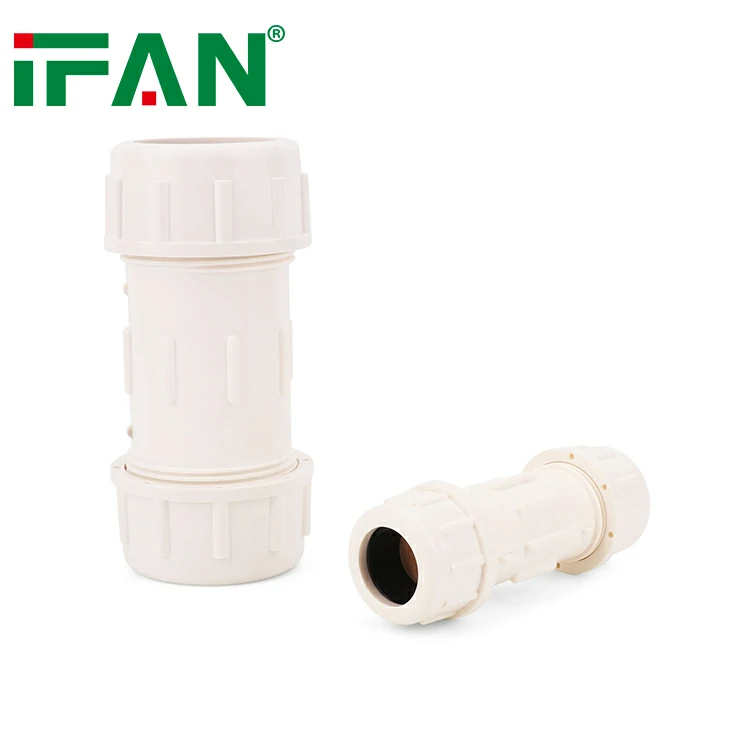
This is a vital question for any project. The answer is generally yes. They are a reliable joining method. This depends on correct application and installation. Understanding their design and limits is key.
Defining PVC Compression Fittings
These are mechanical joining devices. They do not require solvent cement or threading. They consist of three main parts. A body, a compression nut, and a ferrule. The nut tightens to compress the ferrule onto the pipe.
The Mechanics of a Secure Seal
The seal is created mechanically. Tightening the nut pushes the ferrule. It compresses radially onto the pipe. This creates a strong, watertight grip. The ferrule also bites slightly into the plastic. This prevents the pipe from pulling out.
Key Advantages for Reliability
They offer several benefits. Installation is quick and tool-free. They create a strong, leak-proof seal. They are also demountable for adjustments. This makes them highly reliable for many uses.
Appropriate Applications and Uses
They are perfect for certain situations. They are ideal for temporary installations. They work well in tight spaces. They are reliable for low to medium pressure systems. Examples include irrigation and some drain lines.
Understanding Pressure and Temperature Limits
All fittings have specific ratings. PVC compression fittings handle lower pressures than glued joints. They are typically rated for around 150 PSI. Their reliability decreases with high temperature. Always check the manufacturer’s specifications.
Potential Weaknesses and Failure Points
Improper installation causes most failures. Overtightening can crack the fitting body. Undertightening leads to leaks. Using them on out-of-round pipe is unreliable. They are not ideal for permanent burial.
Comparison to Solvent Welded Joints
Solvent welding creates a permanent fusion. The joint becomes as strong as the pipe. Compression fittings are a mechanical connection. They are less robust under stress and vibration. They are, however, much more flexible.
Importance of Correct Installation
Reliability hinges on proper installation. Cut the pipe end square and deburr it. Ensure the pipe is fully inserted into the body. Hand-tighten the nut first. Then use a wrench for a quarter to half turn more.
Signs of a Reliable and Secure Connection
A good connection shows no gaps. The pipe should be visible at the bottom of the nut. There should be no leaks during pressure testing. The fitting should feel solid and not rotate on the pipe.
Long-Term Reliability and Maintenance
For long-term use, inspection is wise. Check periodically for any signs of weeping. Ensure the nut has not loosened over time. Avoid exposing them to direct sunlight. UV radiation can degrade the PVC over time.
Conclusion: A Reliable Choice for the Right Job
PVC compression fittings are very reliable. Their reliability depends on the application. They are excellent for accessible, low-pressure systems. They are less reliable for high-stress permanent lines. Choose the right fitting for your specific need.