
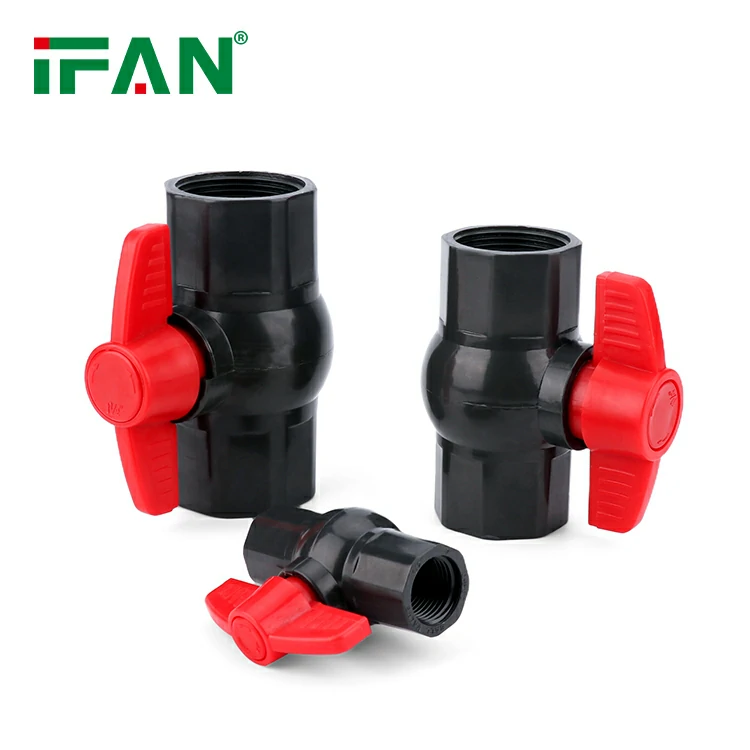
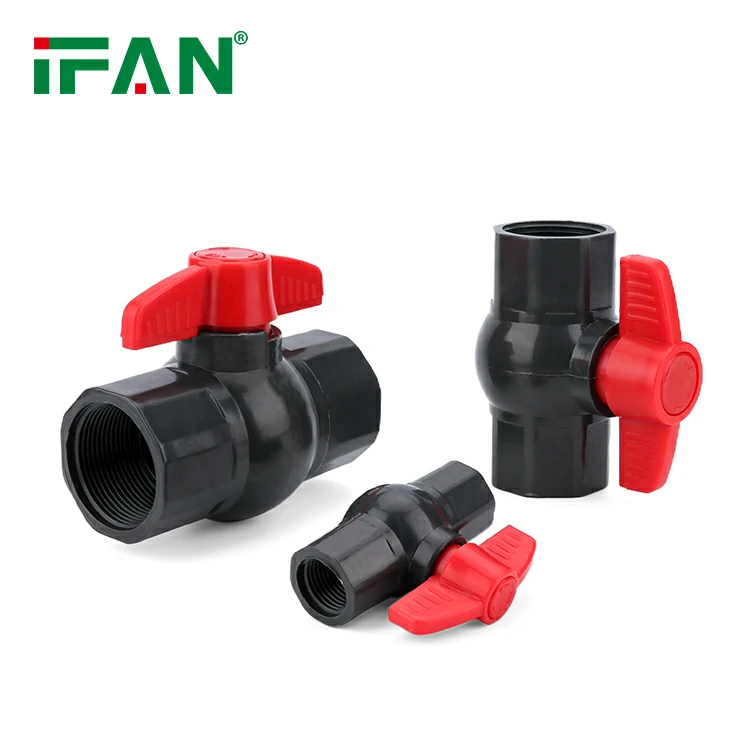
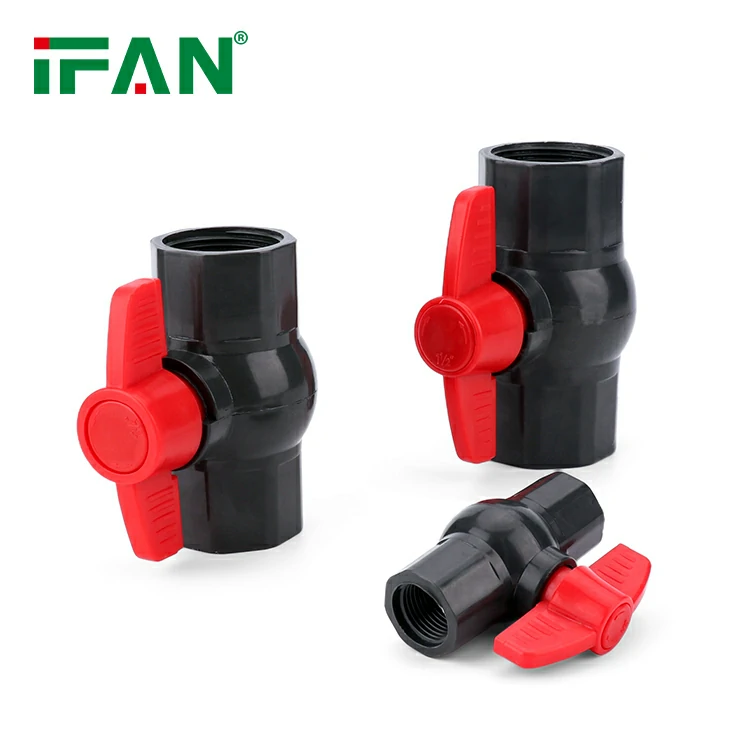
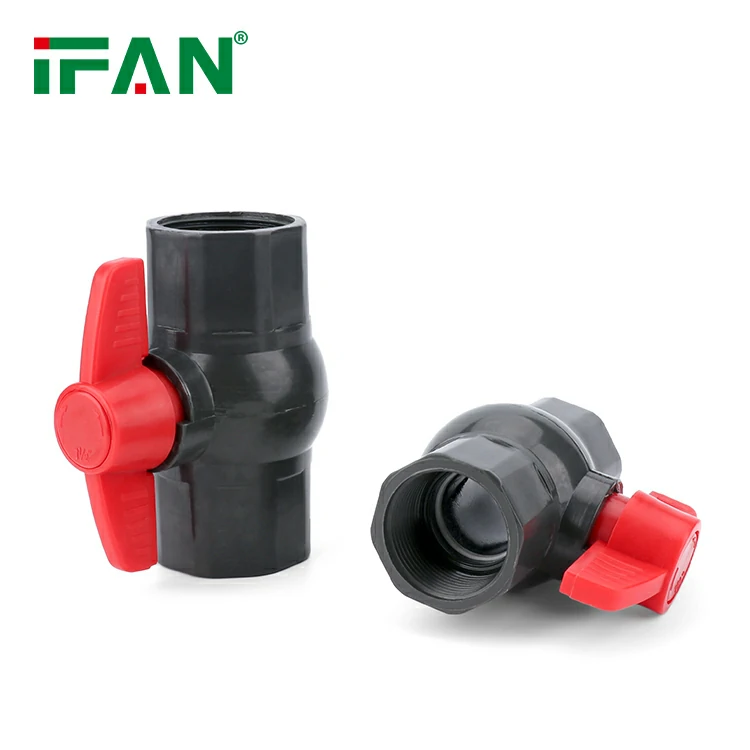
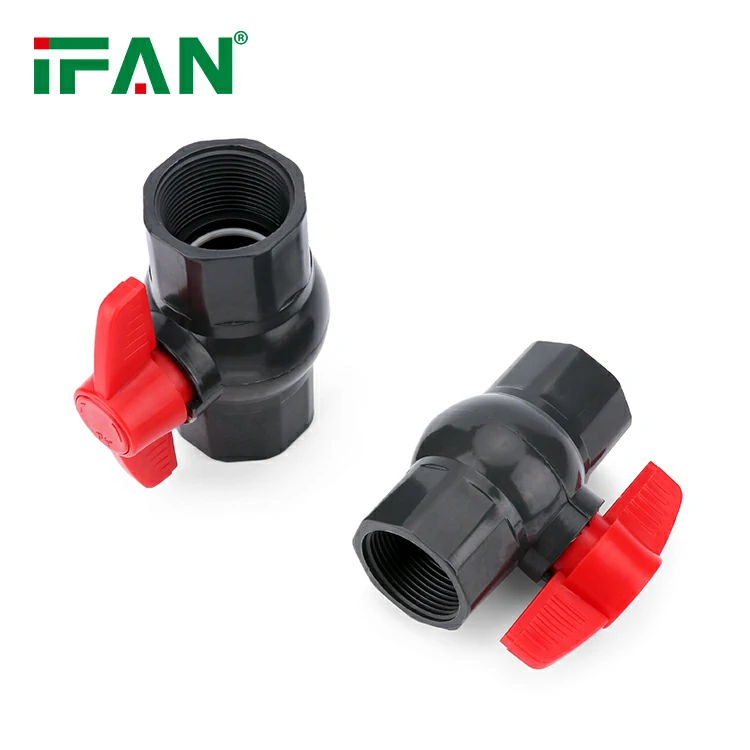
IFAN Hot Sale PVC Ball Valves
Category : Click Download
Whatsapp : +86 19884503412
Wechat : 19884503412
Description
Understanding PVC Ball Valves
PVC ball valves are common plumbing components. They control liquid flow in pipes. Their simple design ensures reliable operation. A hollow ball inside rotates to open or close. These valves are lightweight and corrosion-resistant. They work well with various chemicals. You often find them in irrigation systems. They also appear in pool plumbing setups. Understanding their function is the first step. Proper installation then becomes much easier.
Gathering Necessary Tools and Materials
You need specific tools for this job. Gather all items before starting work. This prevents unnecessary interruptions. You will need PVC ball valves of correct size. Also prepare PVC primer and cement. Have a fine-toothed saw ready. You need a measuring tape and marker. Do not forget emery cloth or sandpaper. Have rags available for cleaning. Always wear safety glasses and gloves. These protect you during the work.
Selecting the Correct Valve Size
Choosing the right size is critical. The valve must match your pipe diameter. Measure your pipes carefully beforehand. Common sizes are half-inch to two inches. Using a wrong size causes leaks. It also reduces system efficiency. Check the valve’s pressure rating too. Ensure it meets your system’s requirements. The valve ends should match your pipe type. Most have slip or threaded connections. Select schedule 40 valves for standard pressure.
Planning the Valve Placement
Think about where to install the valve. It should be easily accessible for operation. Leave enough space to turn the handle. Consider future maintenance needs as well. Install it in a straight pipe section. Avoid placing it close to elbows. This ensures smooth water flow. Mark the exact position on the pipe. Also note the valve’s orientation. The handle should move freely without obstruction.
Preparing the Pipes
Cut the pipe cleanly at the marked spot. Use a fine-toothed saw for this. A hacksaw or PVC cutter works well. Make the cut as straight as possible. Remove any burrs from the cut end. Smooth the pipe’s outer surface with sandpaper. Clean the pipe end with a dry rag. It must be free of dirt and grease. Do the same for the valve’s inner surface. Proper preparation ensures a strong bond.
Applying Primer and Cement
First, apply purple primer to the pipe end. Also apply it inside the valve socket. This cleans and softens the PVC surfaces. Let it dry for a few seconds. Then apply a thin layer of cement. Use cement specifically for PVC pipes. Apply it to the same primed areas. Work quickly as the cement dries fast. The surfaces should be fully coated. Avoid using too much cement.
Joining the Components
Push the valve onto the pipe immediately. Give it a quarter turn as you push. This spreads the cement evenly. Hold the valve firmly for about fifteen seconds. Wipe away any excess cement. Do not move the pipe for at least five minutes. The joint needs time to set properly. Check the valve handle’s position. Ensure it points in the correct direction.
Handling Threaded Connections
Some PVC ball valves have threaded ends. Wrap Teflon tape around the pipe threads. Do this in a clockwise direction. Use about five to six wraps for a good seal. You can use thread sealant instead. Screw the valve on by hand first. Then use a wrench for the final tightening. Be careful not to over-tighten it. This could damage the valve body.
Testing the Installation
Let the joints cure completely. Wait for the time recommended on the cement. This is usually a few hours. Then slowly turn on the water. Check all connections for leaks. Look for any water droplets forming. If you find a leak, turn off the water. You may need to cut out the section. Then repeat the installation steps. A proper installation should be leak-free.
Performing Routine Maintenance
PVC ball valves need little maintenance. Occasionally operate the valve handle. This prevents it from seizing up. Check for cracks or damage visually. Listen for unusual sounds during operation. If the handle becomes hard to turn, inspect it. There might be debris inside the valve. In such cases, the valve might need replacement.
Troubleshooting Common Issues
Leaks often come from improper cement application. Ensure surfaces are clean and properly primed. A stuck handle might indicate internal problems. Low water pressure could mean a partially closed valve. Always verify the valve is fully open. For persistent issues, consult a professional plumber. Do not force a valve that will not turn.
Prioritizing Safety
Safety is paramount during installation. Always shut off the water supply first. Wear protective gear at all times. Work in a well-ventilated area when using cement. Keep flames away from PVC solvents. Follow the manufacturer’s instructions carefully. Correct installation ensures long service life. Your PVC ball valves will perform reliably for years.
相关产品
 PVC Pipe & Fittings
IFAN UPVC GB PN16 45° Elbow
- PVC Pipe & Fittings
IFAN UPVC DIN Brass Female Tee
- PVC Pipe & Fittings
Green UPVC Sockets
- PVC Pipe & Fittings
UPVC Pipe Fittings


HAVE ANY QUERIES? SEND TO CONTACTOANTSMACHINE.COM
ONTACT US