
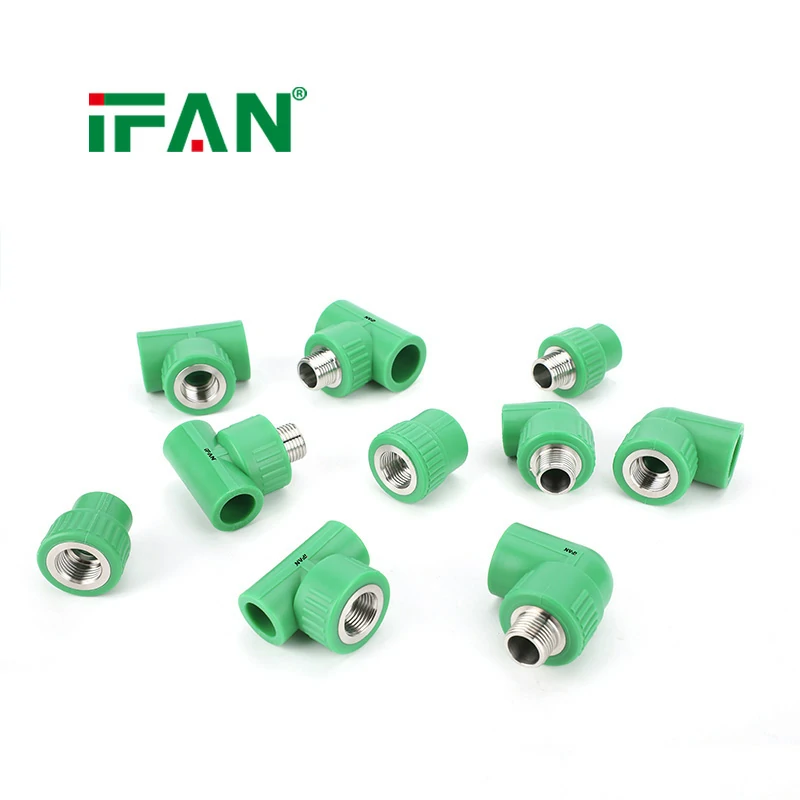
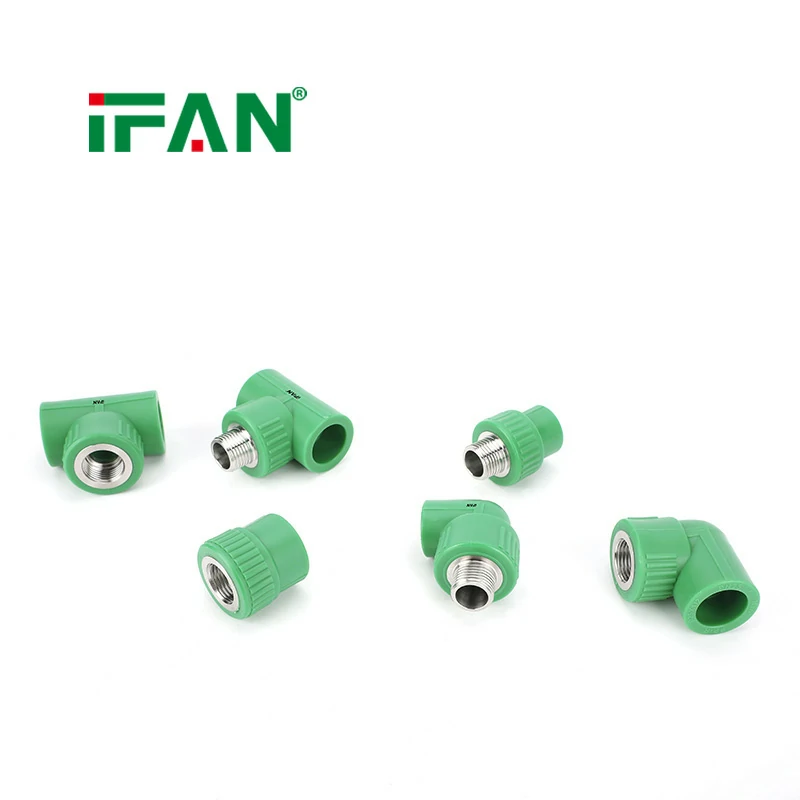
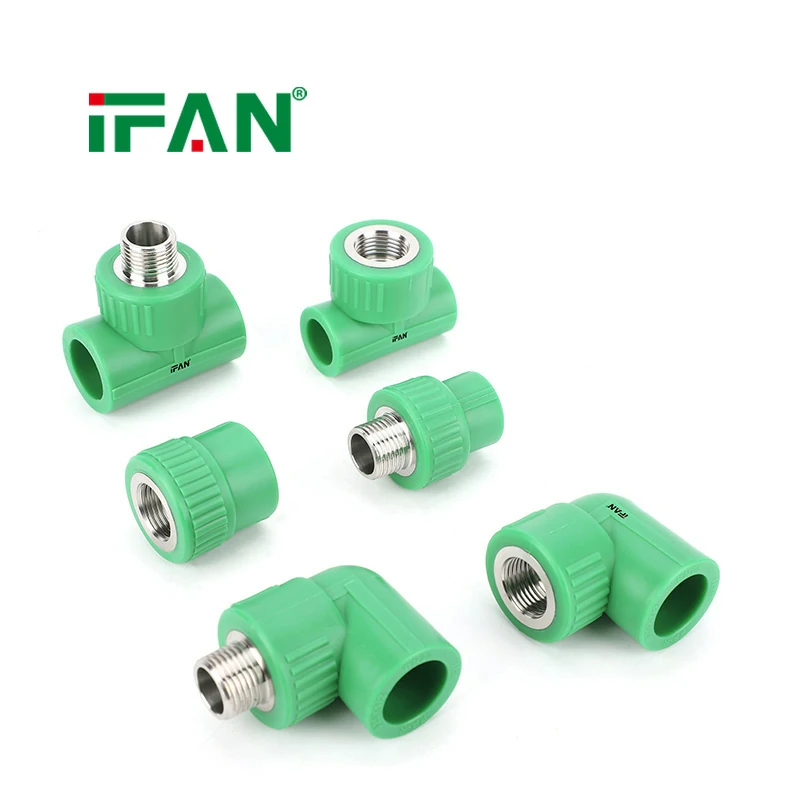
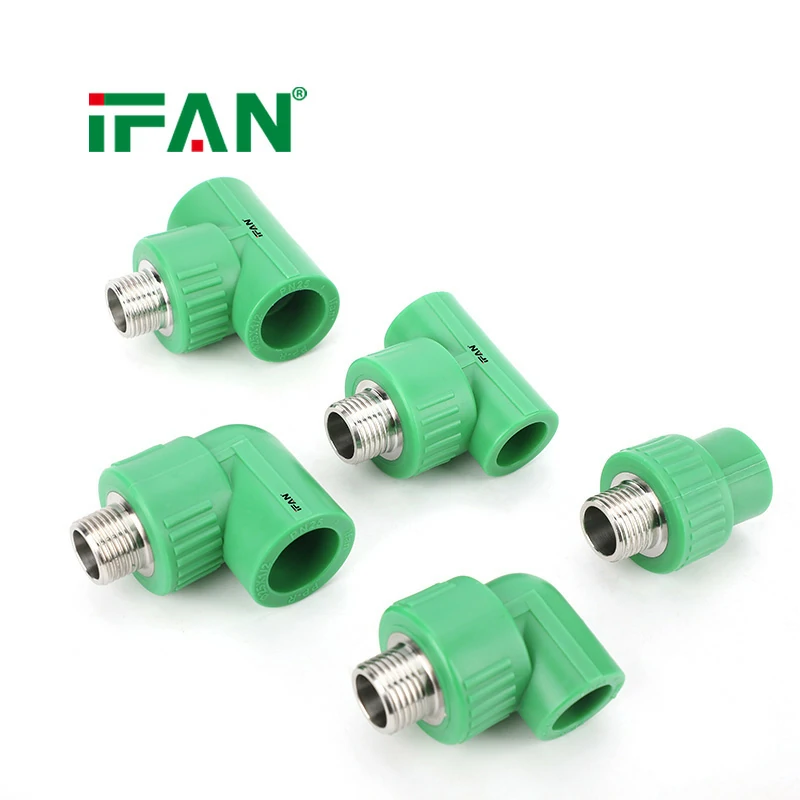
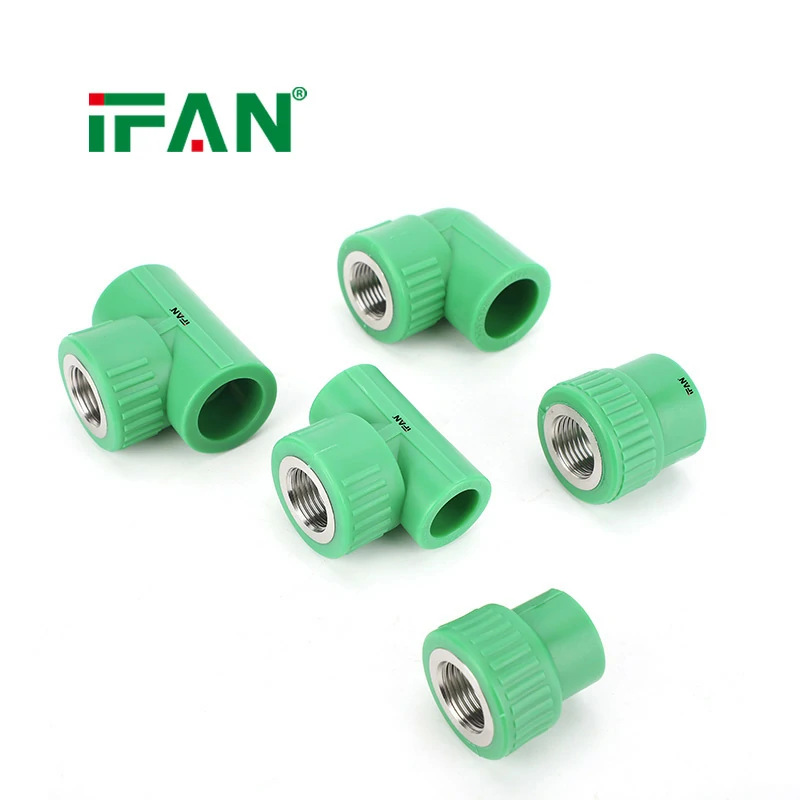
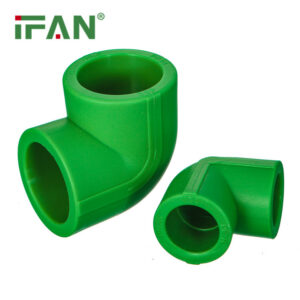
IFAN Hot Sale Stainless Steel PPR Fittings
Name: IFAN Stainless Steel PPR Fittings
Brand: IFAN
Category : Click Download
Whatsapp : +86 19884503412</p>
Category : Click Download
Whatsapp : +86 19884503412
Wechat : 19884503412
Description
Required Tools for Installing Stainless Steel PPR Fittings
Installing stainless steel PPR fittings requires two distinct categories of tools: those for joining the PPR body to plastic pipes (heat fusion tools) and those for securing the stainless steel threaded end to metal components. Each category has specific requirements for successful installation.
The Heat Fusion Welding Machine
The most important tool for stainless steel PPR fittings is a heat fusion welding machine. Also called a socket fusion welder or thermofusion tool, this device heats both the pipe end and the fitting socket simultaneously to approximately 260°C (500°F). At this temperature, the PPR material becomes molten and ready for joining.
Most professional fusion machines feature digital temperature displays for precise control. The heating plate is typically coated with Teflon to prevent melted plastic from sticking. Quality machines maintain temperature tolerance within ±5°C for consistent welds.
For residential projects using 20mm, 25mm, and 32mm pipes, a 600W to 800W machine is sufficient. Industrial applications with larger diameters (up to 110mm) require more powerful 1200W units.
Interchangeable Heating Dies (Mandrels)
The fusion machine requires a set of interchangeable heating dies or mandrels. These are the metal attachments that actually contact and heat the pipe and fitting. One side of the die heats the pipe exterior; the opposite side heats the fitting socket interior.
Each pipe diameter requires its own specific die size. A 20mm pipe needs a 20mm die; 25mm requires a 25mm die, and so on. Professional kits include multiple die sets for common sizes (20mm, 25mm, 32mm, 40mm, 50mm, 63mm). The dies should have a Teflon coating to prevent melted plastic from sticking.
Pipe Cutter
A clean, square cut is essential for proper fusion. A dedicated plastic pipe cutter (ratchet-style or guillotine type) is the standard tool. These cutters produce a straight, perpendicular cut without crushing the pipe.
For stainless steel PPR fittings, avoid using hacksaws or general-purpose saws. These tools create uneven cuts and leave burrs that compromise the fusion joint. Quality pipe cutters have sharp stainless steel blades and can handle pipes up to 32mm or larger.
Deburring and Chamfering Tool
After cutting, the pipe end must be prepared. A deburring tool (also called a reamer or chamfering tool) removes sharp edges and burrs from both the inside and outside of the cut pipe. This step is critical because burrs can damage the fitting’s sealing surface or create turbulence in water flow.
The chamfering function creates a slight bevel on the outer pipe edge, which helps guide the pipe into the heated fitting socket smoothly. A proper chamfer prevents scraping of melted material during assembly.
Measuring Tape and Depth Marker
Precision measurement is essential for stainless steel PPR fittings. A standard measuring tape determines the correct pipe length. A permanent marker (or depth gauge tool) marks the exact insertion depth on the pipe.
The insertion depth corresponds to the socket depth of the fitting. Marking this depth provides a visual guide during hot assembly, ensuring the pipe is fully seated. Incomplete insertion is a common cause of joint failure.
Pipe Support and Alignment Tools
For larger diameter pipes (40mm and above), the weight of the pipe can cause misalignment during welding. Pipe supports or tripods hold the pipe at the correct height and alignment. Some professional fusion machines include U-type supports or table clamps for stable mounting.
Proper alignment is critical because the joint must remain perfectly still during the initial cooling phase. Any movement while the plastic is still soft will weaken the weld.
Wrenches for Stainless Steel Threads
The stainless steel threaded end of stainless steel PPR fittings requires installation using two wrenches. One wrench holds the fitting body steady while the other tightens the mating metal component. This “backup wrench” technique prevents torque from being transmitted to the PPR body, which could crack the plastic.
Standard adjustable wrenches or open-end wrenches are suitable. For stainless steel threads, use moderate force only—stainless steel is strong but galling (cold welding) can occur with excessive torque.
Thread Sealant (PTFE Tape or Pipe Dope)
All threaded metal connections require sealant. The stainless steel threads of stainless steel PPR fittings must be sealed with either PTFE tape or pipe thread compound.
PTFE tape is the most common choice. Apply 3-5 wraps clockwise around the male threads, starting at the second thread from the end. Pipe thread compound (pipe dope) is an alternative paste applied with a brush. Quality PTFE sealants are rated for temperatures from -74°C to 318°C and pressures up to 10,000 PSI for liquids.
Use sealant rated for potable water if the system supplies drinking water. Never use sealant on the PPR fusion surfaces.
Cleaning Supplies
Cleanliness is essential for proper fusion welding. The pipe end and fitting socket must be free of dust, dirt, grease, and moisture. Isopropyl alcohol (99% purity) and lint-free cloths are recommended for cleaning. Some installers also use a pipe scraper to remove oxidized material from stored pipes.
Contaminated surfaces will not fuse properly, resulting in a weak joint that will leak under pressure.
Safety Equipment
Working with heat fusion tools requires personal protective equipment. Heat-resistant gloves protect against burns from the 260°C heating dies. Safety glasses shield eyes from hot plastic splatter. Work in a well-ventilated area, as heated plastic can release mild fumes.
Comparison with Brass Pipe Fittings
Unlike brass pipe fittings, which are installed using only basic wrenches and thread sealant, stainless steel PPR fittings require the additional investment in heat fusion equipment. However, brass fittings are typically installed on copper or steel pipes using threaded or soldered connections—methods that require different skills and tools (torches, solder, flux). The fusion welding process for stainless steel PPR fittings is cleaner, faster once mastered, and produces a leak-proof monolithic joint between the plastic pipe and the fitting body.
Summary Checklist
| Tool Category | Specific Tool | Purpose |
|---|---|---|
| Fusion Equipment | Heat fusion welding machine | Heats pipe and fitting to 260°C |
| Interchangeable dies | Match each pipe diameter | |
| Pipe Preparation | Pipe cutter | Square, clean cut |
| Deburring/chamfering tool | Remove burrs, create bevel | |
| Measuring tape and marker | Length and insertion depth | |
| Installation | Pipe supports | Alignment for large diameters |
| Two wrenches | Secure threaded connections | |
| Thread sealant (PTFE tape/dope) | Seal metal threads | |
| Safety | Heat-resistant gloves | Burn protection |
| Safety glasses | Eye protection | |
| Cleaning supplies | Remove contaminants |
Proper tools are essential for reliable installation of stainless steel PPR fittings. The heat fusion welder with correct dies is the core investment, while basic pipe prep tools and safety equipment complete the kit. With the right tools, the installation process is straightforward, producing permanent, leak-proof joints that will last for decades.
Do you need specific guidance on selecting the right fusion machine size for your project or assistance with the step-by-step welding procedure?
相关产品
 Green PPR Pipe Fittings
PPR Socket Fitting
- Green PPR Pipe Fittings
PPR Union Fittings
- Green PPR Pipe Fittings
PPR Female Socket
- Green PPR Pipe Fittings
PPR Elbow Fittings



HAVE ANY QUERIES? SEND TO CONTACTOANTSMACHINE.COM
ONTACT US